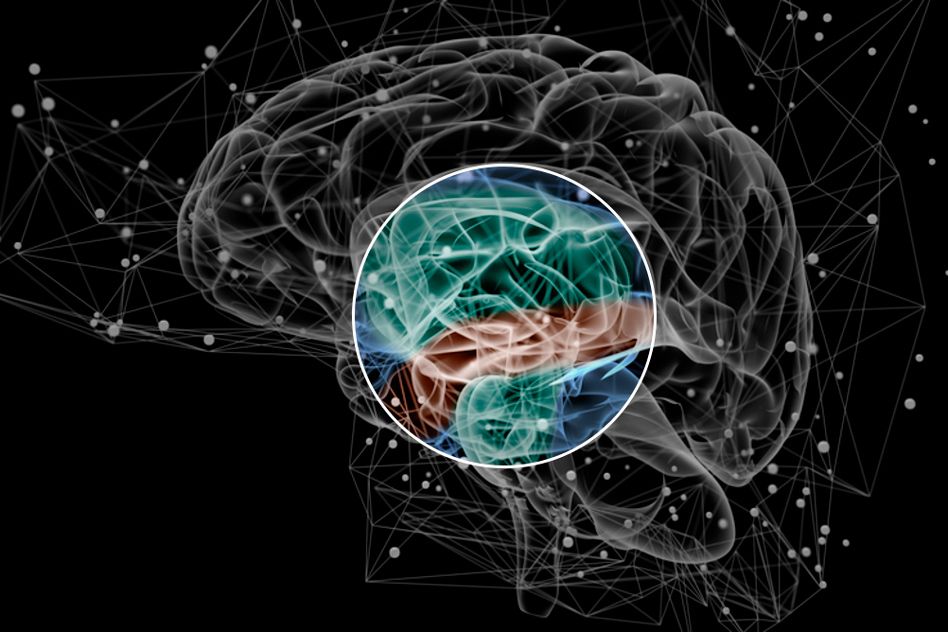

Leaders across Houston are trying to add “brain health” to the city’s list of signature strengths—alongside its historic identity as an energy capital and the well-known medical expertise concentrated at Texas Medical Center. A new regional collaboration, Project Metis, has been launched to attract researchers, clinical trials, and brain-focused technology start-ups, with the larger goal of turning the region into a major hub for neuroscience innovation and specialized care.
The initiative is being led by Center for Houston’s Future and brings together prominent partners including Rice University, University of Texas Medical Branch, and Memorial Hermann Health System. Organizers describe the effort as a long-term investment: the idea is that building a dense ecosystem of labs, clinicians, data, and startups can position Houston as a destination for both world-class treatment and the next wave of brain-science commercialization.
A key narrative behind the project is the rise of the “brain economy”—a framework that argues cognitive health is an economic asset, not just a medical issue. Proponents say the stakes are rising for two reasons at once: populations are aging (increasing the prevalence of conditions such as dementia and Alzheimer’s), while rapid advances in automation and AI make “brain skills” and resilience more central to competitiveness. In that context, Houston’s organizers point to a major estimate from McKinsey Health Institute that investments in brain health and brain skills could generate $6.2 trillion in global GDP by 2050—suggesting there is a large economic upside to becoming an early leader in this space.
Funding opportunities inside Texas are another driver. Project Metis partners hope to compete for a share of a proposed $3 billion state effort—the Dementia Prevention and Research Institute of Texas—though the article notes that money is currently tied up in a legal challenge. Even with uncertainty, leaders argue it’s the right moment to organize because scientific progress is accelerating: better neuroimaging, more powerful data tools (including AI), and emerging therapeutics are making once-intractable brain disorders feel more “solvable” than in prior decades.
The project also acknowledges headwinds. Recruiting international scientific talent could be complicated by Texas policy moves affecting specialized H-1B visa usage at state agencies and universities, tied to an order from Greg Abbott, although exceptions may be possible through the Texas Workforce Commission.
Ultimately, Project Metis is positioned as part of Vision 2050, a long-range strategy to diversify the region’s growth engines. Backers argue that cross-institution collaboration—rather than siloed competition—could speed discovery, expand clinical offerings such as brain-health specialty clinics, and create economic gains alongside better population health outcomes (from dementia care to mental health and workplace burnout).