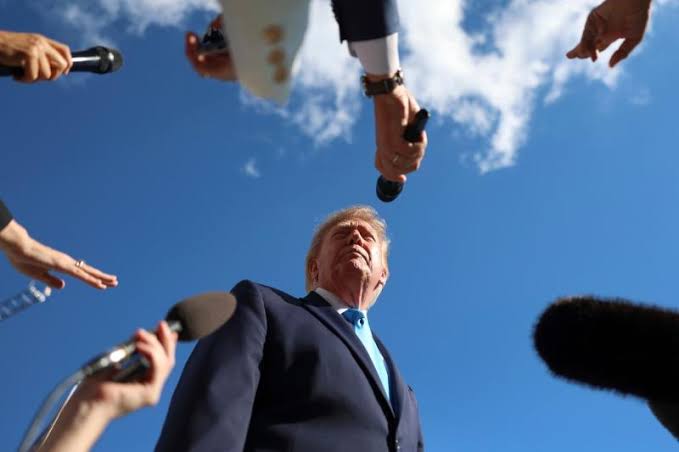
With Midterms Looming and Economic Ratings Low, Trump Tries to re-Sell His Cost-of- Living Message in Georgia
· 2 min read
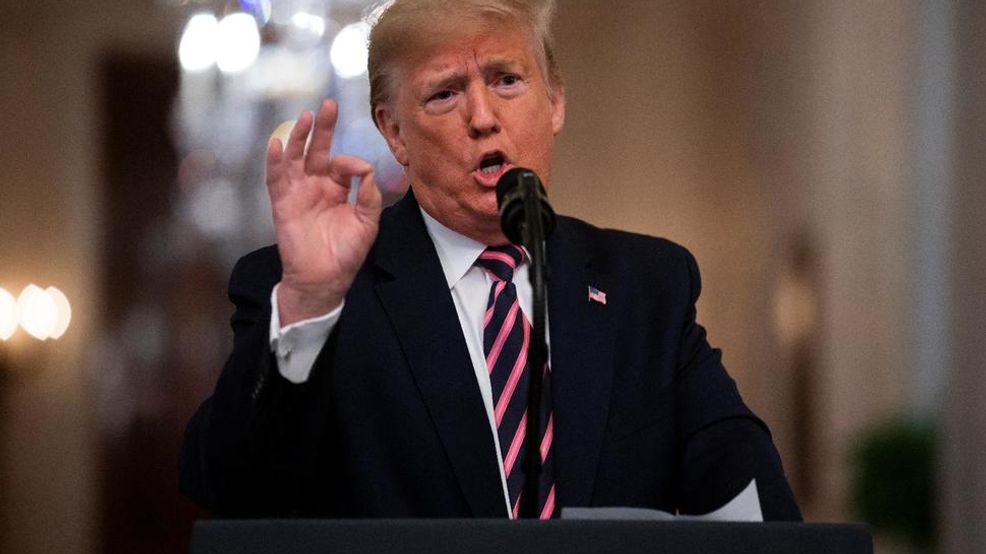
President Trump is traveling to Georgia on Thursday to deliver what the White House describes as a fresh economic message focused on lowering household costs—an issue that is increasingly central to Republicans’ hopes of holding Congress in the November 2026 midterm elections. The speech, scheduled in Rome, is the latest in a run of economic addresses aimed at convincing voters that the administration has a credible plan to make daily life more affordable.
The setting is deliberately symbolic: Trump is expected to speak at Coosa Steel Corporation, and the White House says he will highlight initiatives “to make life affordable for working people,” according to press secretary Karoline Leavitt. Although Trump is not on the ballot this fall, he has become his party’s chief messenger on the cost of living—especially as anxiety about prices threatens the GOP’s razor-thin hold on power.
The political urgency is rooted in a gap between macro indicators and what many families feel. Overall year-over-year inflation in January was 2.4%, down from 2.7% in December, but food inflation was close to 3% over the past year and housing costs have continued to rise—meaning many essentials remain stubbornly expensive. That mismatch has made it harder for Trump to persuade skeptical voters that conditions are improving fast enough.
According to data, Trump’s approval rating on handling the economy stood at 34%, with 57% disapproving—numbers that help explain why the White House keeps returning to affordability themes.
In the speech, Trump is expected to tout policies he argues will ease financial pressure: tax cuts that took effect last month, the removal of taxes on tips and overtime, and changes related to Social Security payments. He has recently promoted proposals meant to reduce mortgage rates and housing prices, along with arrangements with health insurers intended to lower drug prices. Supporters present these steps as direct, pocketbook relief; critics question whether they will arrive soon enough—or at meaningful enough scale—to change voters’ day-to-day experience before November.
Trump’s economic messaging can wander and sometimes conflicts with what people see in stores and rent checks, potentially creating a credibility problem for Republicans. That risk matters because the GOP’s margins are tight: Republicans hold a narrow majority in the U.S. House of Representatives, while Democrats would need a net gain of four seats to retake the U.S. Senate.
The Georgia trip is also intertwined with intraparty politics. Trump is speaking in a deeply conservative district previously represented by Marjorie Taylor Greene, who resigned in January after a bitter split with him.