Homeland Security Funding Deal Collapses as Airport Disruptions and Pay Crisis Deepen
· 2 min read
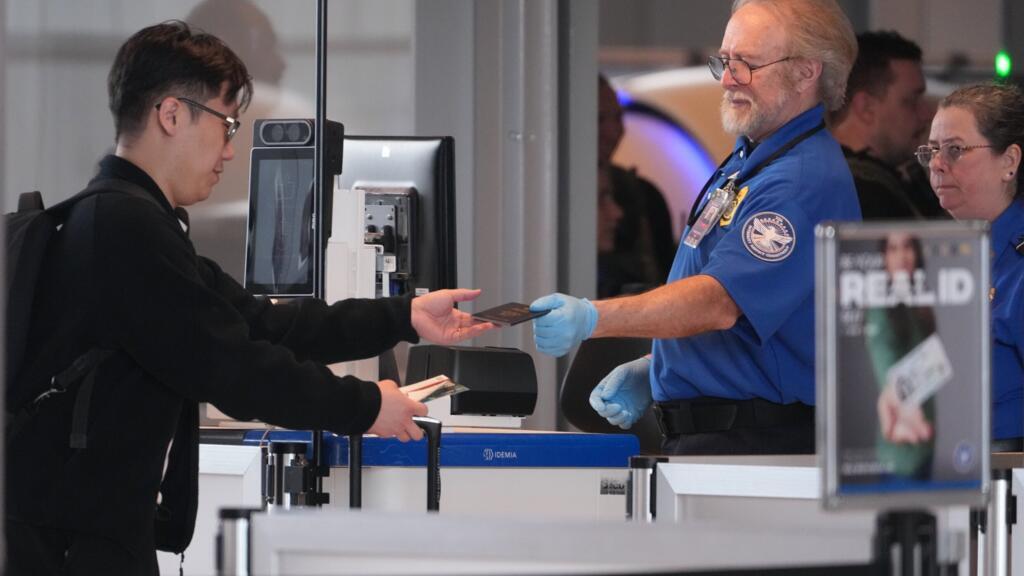
A new congressional effort to end the partial shutdown of the Department of Homeland Security failed on March 27, 2026, leaving thousands of federal employees without pay and raising fears of worsening travel disruptions across the United States. Congress could not break a six-week deadlock over immigration enforcement funding, even after a day of dramatic votes and last-minute maneuvering. The standoff has affected many of the department’s roughly 270,000 employees, with most still required to work despite missing paychecks.
The crisis has become especially visible at airports, where the shutdown has disrupted Transportation Security Administration operations. Many of the 50,000 TSA officers who have gone unpaid have called in sick or resigned, and nearly 12% of TSA officers did not report to work on Thursday. Absences were especially severe at several major airports, including New York’s JFK, Baltimore, Houston’s two airports and Atlanta, where more than a third of officers were missing. Those staffing shortages helped produce long lines, major delays and security wait times of several hours at some airports, just as the busy spring-break travel season intensified.
The legislative battle took several turns in one day. The Senate began by unanimously passing a bill that would have restored funding for most DHS operations while avoiding the central dispute over immigration enforcement. Democrats supported that plan because it excluded funding for Immigration and Customs Enforcement, while Republicans supported it because it did not include the restrictions Democrats wanted on President Donald Trump’s immigration crackdown. But the compromise quickly ran into resistance in the House of Representatives, where Republicans rejected the Senate approach and instead passed a temporary funding bill that would keep all DHS operations running through late May, including immigration enforcement. Democrats had already made clear they would oppose that measure.
At the center of the fight is a deeper political clash over Trump’s immigration policies. Democrats have refused to approve what Senate Democratic Leader Chuck Schumer described as a “blank check” for immigration enforcement without reforms, especially after federal agents shot and killed two U.S. citizens in Minneapolis. Democrats are using the shutdown fight to push for limits on aggressive enforcement tactics, while Republicans are defending the administration’s broader immigration strategy. More than half a million deportations have taken place under Trump’s push, helping make immigration funding the main obstacle to a broader deal.
With Congress still deadlocked, the White House said Trump declared an emergency that would allow airport-screening officers to be paid as soon as Monday. That may ease pressure at airports, but many other DHS employees, including workers involved in emergency response and coastal defense, would still go unpaid while lawmakers leave Washington for a two-week break. In other words, the immediate travel crisis may be partly addressed, but the broader shutdown and labor strain remain unresolved.
The political fallout is likely to continue. Democrats have now forced two government shutdowns in six months, yet neither produced the concessions they wanted. Meanwhile, Trump’s administration has made some adjustments, including replacing Homeland Security Secretary Kristi Noem with former Senator Markwayne Mullin, who has expressed support for at least some Democratic ideas, such as limiting forced home entries without judicial warrants. Even so, other proposals remain unacceptable to the administration, and no durable compromise has emerged. That leaves DHS workers, travelers and Congress heading into another period of uncertainty, with the funding fight still unresolved and the consequences already spreading far beyond Washington.