Fed Faces Growth-and-Inflation Squeeze, but Powell Signals No Rush to Move
· 3 min read
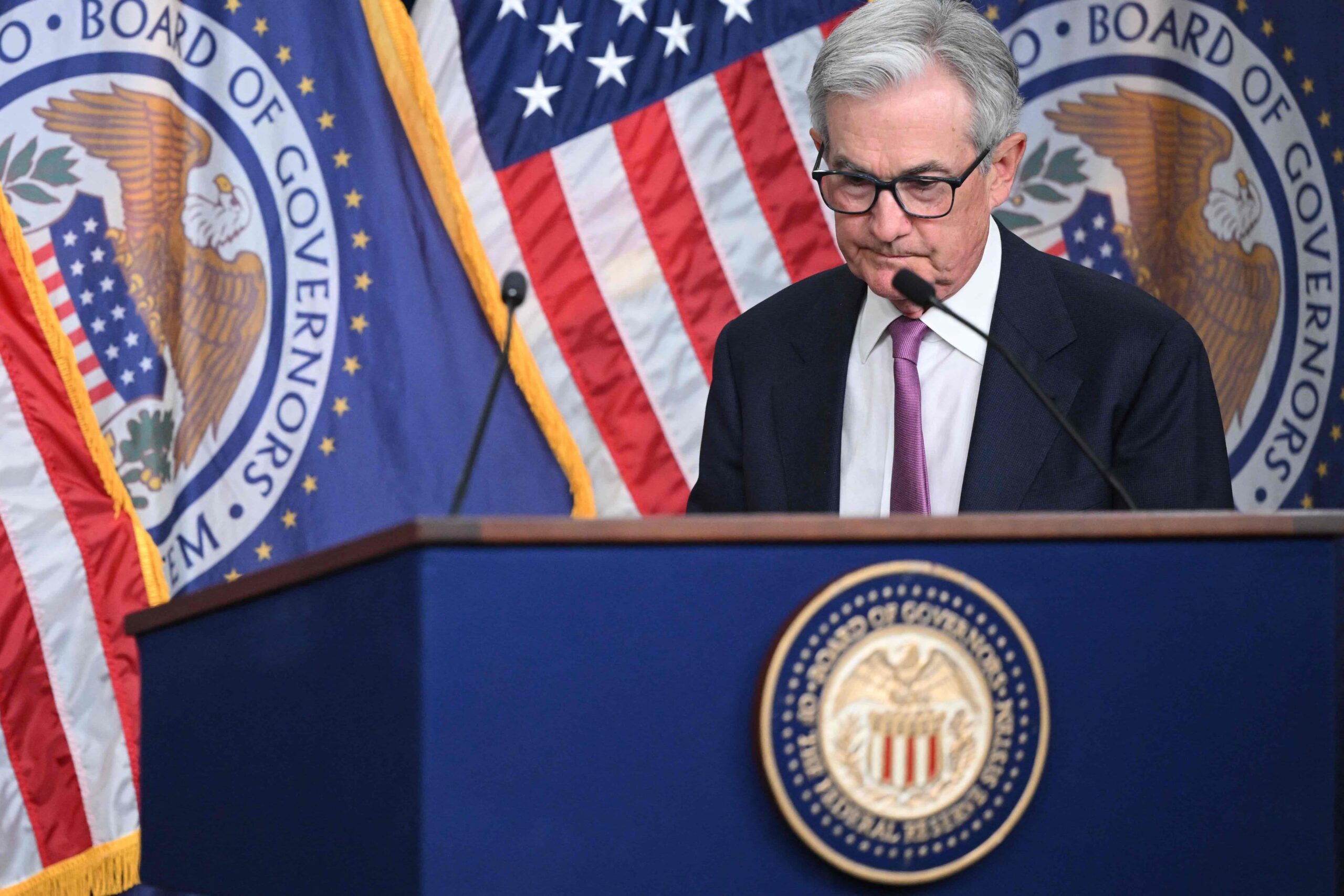
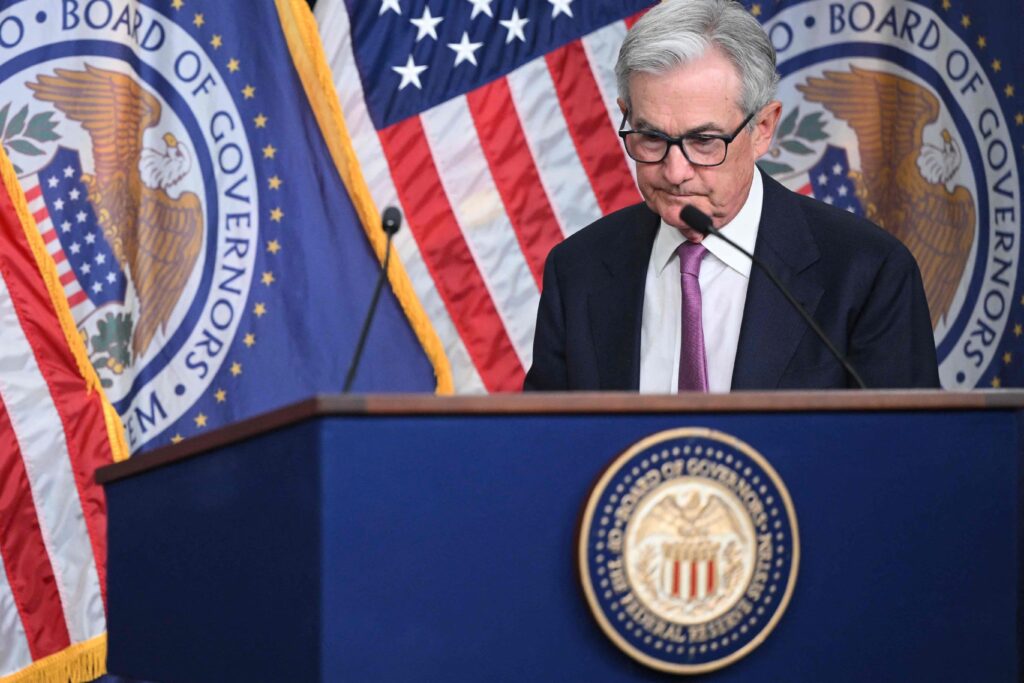
Federal Reserve Chair Jerome Powell said the U.S. central bank is in a position to wait and watch how the expanding Iran war affects inflation and the broader economy, signaling that policymakers do not yet see a need to change interest rates even as new risks emerge. Speaking at Harvard University on March 30, Powell said the Fed’s current policy stance is “in a good place” to allow officials time to assess the consequences of higher energy prices and related uncertainty. His remarks suggested a cautious approach at a moment when markets and economists are trying to judge whether the conflict will create a serious new inflation problem or mainly a temporary shock.
The central challenge Powell described is a familiar but difficult one for the Fed: balancing its two main goals of keeping inflation under control while also supporting employment. He said there is “downside risk” to the labor market, which would argue for keeping rates lower, but also “upside risk” to inflation, which argues against easier policy. For now, however, Powell indicated that the Fed is not yet being forced into a hard choice between the two sides of its mandate. He emphasized inflation expectations still appear well anchored over the longer term, an important sign because central bankers worry most when households and markets begin to assume inflation will stay high.
His comments helped calm financial markets, which had recently begun to price in the possibility that the Fed might need to raise rates later this year in response to rising oil prices. Those expectations had largely faded after Powell’s remarks. The Fed earlier this month left its benchmark interest rate unchanged in the 3.50% to 3.75% range, and Powell’s latest comments reinforced the idea that officials prefer patience rather than reacting too quickly to a geopolitical shock whose economic effects are still uncertain.
The war-related pressure comes on top of inflation that has already been running above the Fed’s 2% target for about five years. Powell said the United States has absorbed a series of shocks during that period, beginning with the post-pandemic collision of strong demand and limited supply, followed more recently by tariffs, and now an energy shock linked to the conflict. As of March 30, Brent crude was trading near $111.81 a barrel and U.S. West Texas Intermediate crude near $102.36, after both benchmarks had climbed sharply since the war began on February 28. U.S. gasoline prices have also risen to around $4 a gallon on average, adding to concerns that households may feel a broader cost squeeze.
Even so, Powell’s overall tone remained measured rather than alarmed. He said policymakers often “look through” shocks such as jumps in oil prices, at least initially, because they do not always create lasting inflation. Also, Powell pointed to mixed signals in inflation expectations: a recent University of Michigan survey showed a rise in household expectations for inflation over the next year, while some market-based measures have looked more stable. That split helps explain why the Fed is staying cautious rather than treating the latest energy spike as a clear reason to tighten policy.
Powell also used the Harvard event to defend the Fed’s institutional discipline. Asked indirectly about political pressure and future Fed leadership, he stressed that the central bank should focus strictly on its congressionally assigned goals of price stability and maximum employment. President Donald Trump has repeatedly criticized Powell for keeping borrowing costs too high, while Kevin Warsh, Trump’s nominee to succeed Powell after his term ends on May 15, has signaled support for rate cuts. Against that backdrop, Powell’s message was that the Fed should resist being pulled into politics and “stick to what we’re doing.”
Overall, Powell’s remarks painted a picture of a central bank navigating an uncomfortable but still manageable situation. Inflation remains above target, the labor market faces downside risk, and the war has introduced a new energy shock. But instead of rushing to respond, the Fed appears determined to gather more evidence before deciding whether the conflict will leave a lasting mark on prices, growth, or both.