Trump Administration Admits Major Error in New York Medicaid Fraud Accusations
· 3 min read
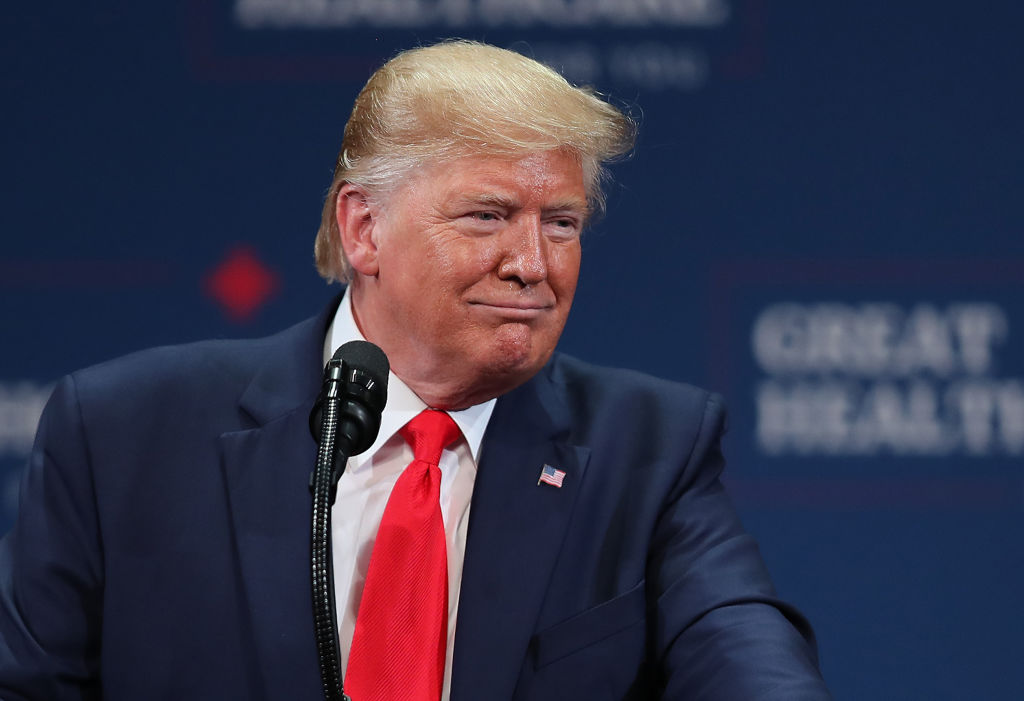
The Trump administration has acknowledged a major error in the data it used to support a high-profile fraud investigation into New York’s Medicaid program, weakening one of its most visible recent anti-fraud cases and raising broader questions about the accuracy of similar reviews in other states. Federal officials admitted a key figure cited by Centers for Medicare & Medicaid Services Administrator Dr. Mehmet Oz about New York’s Medicaid personal care services was wrong.
The mistake involved the number of New Yorkers said to have received personal care services through Medicaid. Oz had claimed that about 5 million people in New York used those services last year, a figure that would have implied that nearly three-quarters of the state’s 6.8 million Medicaid enrollees received that kind of care. Apparently, CMS later said the real number was closer to 450,000 people and explained that it had misread New York’s billing-code practices before refining its methodology.
That gap is enormous, and it directly undercuts the force of the original accusation. A number as large as 5 million made New York’s system appear obviously suspicious and helped frame the state as an example of uncontrolled abuse. But once corrected, the claim looks badly overstated. Health policy analysts warned that the episode raises concerns about how many of the administration’s anti-fraud investigations may rely on flawed interpretations of data rather than firm proof of wrongdoing.
Even so, the federal government says the investigation into New York is still continuing. According to data, CMS maintains that it still has concerns about the state’s oversight of personal care services, including the fact that New York spends more per Medicaid beneficiary and per resident than the national average, has unusually high spending on personal care, and employs so many home-care aides that they now make up the state’s largest occupational category. In other words, the administration is arguing that the case does not depend on this one mistaken statistic alone.
New York officials strongly pushed back. Apparently, a spokesperson for Governor Kathy Hochul said the original federal claim was plainly false and welcomed the administration’s admission. State health officials said New York remains committed to fighting waste, fraud, and abuse while also protecting services that vulnerable residents depend on. New York’s high spending reflects not only the state’s higher costs, but also a policy choice to support more robust in-home care rather than forcing people into costlier institutional settings.
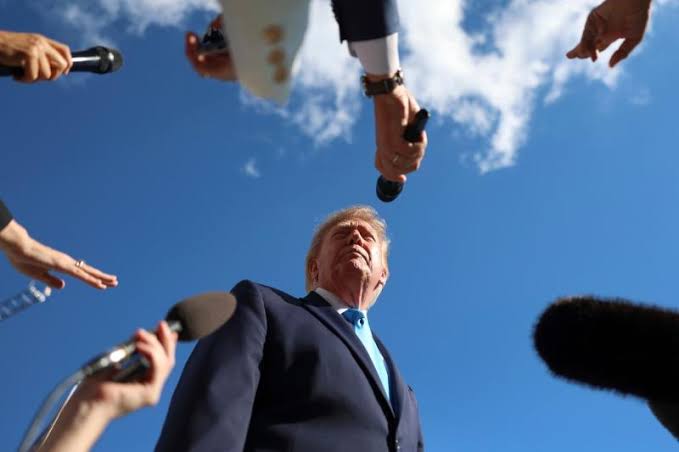
The dispute also fits into a broader national political campaign. The New York case is part of a wider Trump administration anti-fraud push that has also targeted states including California, Florida, Maine, and Minnesota. Last month, Trump signed an executive order creating a federal anti-fraud task force led by Vice President JD Vance, and the administration had already moved to temporarily block $243 million in Medicaid funding to Minnesota over separate fraud concerns, prompting a lawsuit.
The bigger significance of the New York episode is not simply that one number was wrong. It is that the administration’s anti-fraud strategy appears increasingly aggressive and politically charged, especially when aimed at Democratic-led states. Fraud enforcement should be collaborative and evidence-based, not turned into a political weapon. That may be the clearest takeaway: investigating fraud is legitimate, but when the government makes sweeping public accusations before fully verifying the facts, it risks damaging both trust in public institutions and the credibility of the anti-fraud effort itself.