U.S. Spy Law Nears Deadline Amid Fight Over Warrantless Searches of Americans’ Data
· 2 min read


Section 702 of the Foreign Intelligence Surveillance Act, one of the most important U.S. surveillance authorities, is set to expire on June 12, 2026, unless Congress renews it. The law allows U.S. intelligence agencies, including the NSA, FBI and CIA, to conduct targeted surveillance of foreign individuals located outside the United States with help from telecommunications and internet companies. The government says the program is essential for tracking terrorism, cyber threats, espionage, weapons proliferation and hostile foreign governments.
The controversy is that although Section 702 is not supposed to target Americans or anyone physically inside the United States, Americans’ communications can still be collected when they communicate with foreign surveillance targets. For example, if a U.S. citizen emails, texts or calls someone overseas who is being monitored, that American’s messages may enter the government database. Intelligence and law-enforcement agencies can later search those communications, often without first getting a warrant, which critics call a “backdoor search” of Americans’ private data.
The law has already technically expired once this year. Section 702 originally lapsed on April 20, 2026, but Congress passed temporary extensions while lawmakers fought over whether to renew it cleanly or add stronger privacy protections. The White House and intelligence officials want a straightforward reauthorization, arguing that reforms made in 2024 already addressed many concerns. Privacy advocates and some lawmakers from both parties say those reforms were not enough and are pushing for a warrant requirement before agencies can search Americans’ communications.
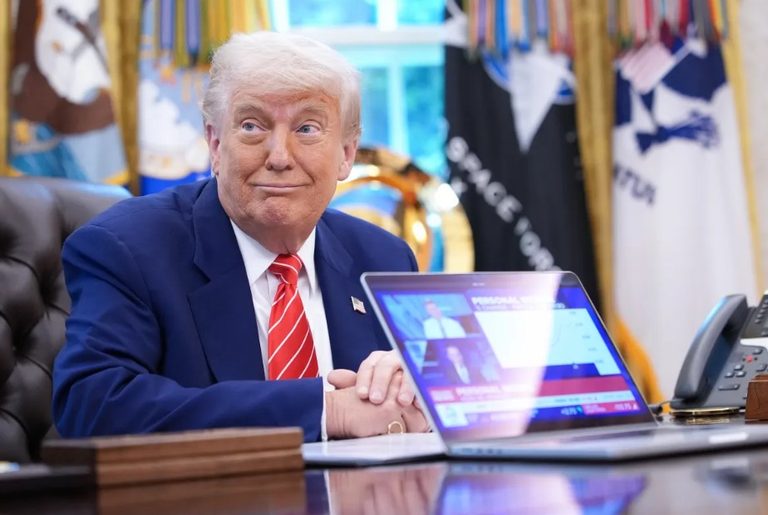
The political fight has become more complicated because of concerns over Trump’s intelligence leadership. Senate Democrats and some Republicans have been reluctant to renew Section 702 after Trump appointed Bill Pulte, a political loyalist without national-security experience, as acting director of national intelligence. House Speaker Mike Johnson said Trump is close to naming a permanent intelligence chief, a move meant to ease congressional tensions before the surveillance deadline.
Supporters of Section 702 warn that letting it expire could weaken U.S. national security. They say the program helps identify foreign plots, monitor cyberattacks and understand threats from adversaries. They also argue that requiring warrants could slow intelligence work and make it harder to detect fast-moving dangers. Critics respond that national security does not justify warrantless access to Americans’ private communications, especially after past misuse and compliance problems.
Even if Congress fails to renew Section 702 by June 12, surveillance may not immediately stop. Existing certifications could allow some collection and searches to continue for up to a year. However, legal uncertainty could make telecommunications companies less willing to cooperate and could complicate intelligence operations.
The debate also highlights a broader surveillance reality. Even without Section 702, U.S. authorities still have access to other tools, including facial recognition, social media monitoring, drones, cell-site simulators and other forms of digital tracking. That means the expiration fight is not about whether the government can surveil at all, but about one of its most powerful foreign-intelligence tools.
Still, Section 702 sits at the center of a difficult tradeoff: protecting the country from foreign threats while protecting Americans from warrantless surveillance. Congress must now decide whether to renew the law as it is, reform it, or risk letting a major intelligence authority lapse.