The U.S. coffee industry is asking the Trump administration to preserve tariff exemptions for Brazilian green coffee and expand them to include instant coffee, warning that new duties could raise prices for consumers and damage American manufacturers. The National Coffee Association made the request during a public consultation examining possible tariffs on Brazilian imports under a Section 301 trade investigation.
The administration is considering tariffs of up to 25% on several Brazilian products, arguing that Brazil has engaged in unfair practices involving digital trade, deforestation and other economic issues. Coffee companies are trying to prevent beans from becoming collateral damage in that broader dispute. Their argument is that coffee is fundamentally different from many other imported goods because the United States cannot produce enough domestically to meet consumer demand.
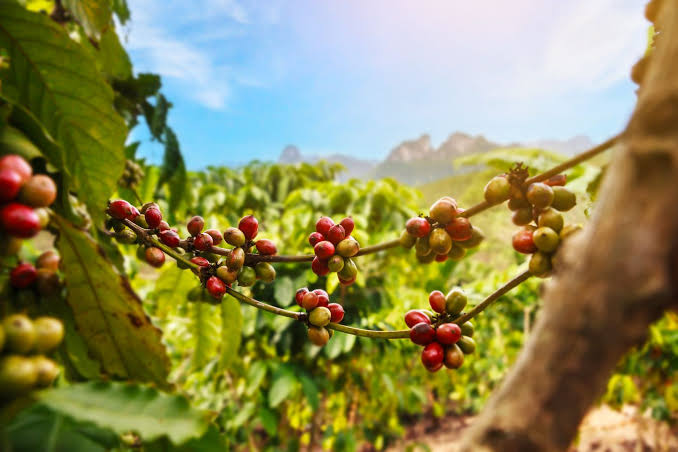
Brazil is the world’s largest coffee producer and exporter and supplies roughly one-third of U.S. coffee needs. That dependence makes Brazilian beans especially important to American roasters, retailers, restaurants and packaged-drink manufacturers. National Coffee Association President William Murray said keeping these imports tariff-free would benefit the broader U.S. economy and nearly 200 million American adults who drink coffee each day.
The industry is also asking Washington to exempt instant coffee. Instant products are increasingly important for newer categories such as ready-to-drink coffee cans, liquid coffee bases, syrups and food-service mixtures. These products are often manufactured or finished in the United States, meaning tariffs on imported coffee inputs can raise costs for American companies rather than simply penalize foreign producers.
The warning is based on recent experience. Brazil was hit with a 50% tariff last year, creating major disruption for the U.S. coffee industry before green coffee was eventually added to an exemption list. Instant coffee remained subject to the 50% duty until the Supreme Court struck down most of Trump’s tariffs. It is currently covered by a 10% global tariff, which the industry says is already contributing to visible price increases.
The National Coffee Association argues that further tariffs would worsen inflation in a category already exposed to volatile commodity prices, weather disruptions and supply risks. Coffee prices can rise quickly when growers face drought, excessive heat or reduced harvests, and tariffs add another layer of cost on top of those pressures. Importers and manufacturers may absorb some of the increase temporarily, but much of it can eventually reach grocery stores, cafés and restaurants.
The debate also highlights a wider tension in Trump’s trade policy. Tariffs are designed to pressure foreign governments and protect domestic industries, but they can also increase costs for U.S. businesses that depend on imported raw materials unavailable at sufficient scale inside the country. In coffee, the industry’s position is that there is no realistic domestic substitute capable of replacing Brazilian supply.
Overall, the coffee sector’s request was both an economic and consumer warning. The industry is not asking for a broad exemption from the administration’s Brazil strategy; it is asking that coffee remain outside the dispute because tariffs would mainly hurt American companies and consumers. With millions of people drinking coffee every day, even a modest increase in costs could become highly visible politically and economically.