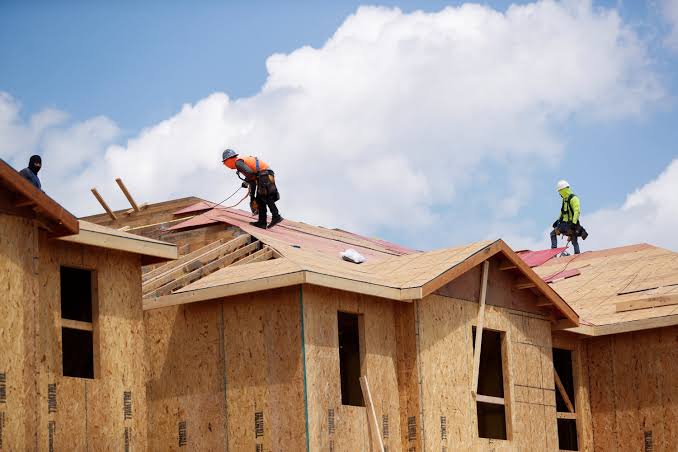
Construction of single-family homes in the United States weakened again in June, highlighting the continued struggles facing the housing market as elevated mortgage rates, rising construction costs and soft buyer demand discourage new development. The latest Commerce Department data show that homebuilders remain cautious despite a persistent nationwide housing shortage, with both new construction and permits for future projects signaling a slowdown that could extend into the second half of the year.
Single-family housing starts, which account for the majority of residential construction in the United States, slipped 0.2% in June to a seasonally adjusted annual rate of 895,000 units. The decline marked the third consecutive monthly decrease and left construction activity 3.2% below the level recorded a year earlier. Regional performance was uneven: activity increased in the West but fell across the Northeast, Midwest and South, suggesting that affordability challenges continue to affect much of the country.
The outlook for future building was even weaker. Permits for new single-family homes fell 2.4% to an annual rate of 871,000 units, their lowest level in ten months. Because permits typically precede construction, economists view them as an important indicator of future housing activity. The latest decline suggests builders expect market conditions to remain difficult as potential buyers continue delaying purchases.
One of the industry’s biggest obstacles remains the cost of financing. The average interest rate on a 30-year fixed mortgage climbed to 6.55%, the highest level in nearly a year. Higher borrowing costs have significantly reduced affordability, pricing many first-time buyers out of the market while encouraging others to postpone home purchases until rates decline. Builders have responded by offering discounts and financial incentives, but those measures have not been enough to restore stronger demand.
Developers are also dealing with rising land prices and higher material costs, while inventories of newly built homes have climbed to levels last seen during the housing downturn of the late 2000s. The growing supply of unsold homes has encouraged many builders to slow construction rather than risk adding more inventory to an already competitive market. Analysts believe residential investment could remain a drag on economic growth for at least another quarter if borrowing costs remain elevated.
Congress recently approved bipartisan legislation intended to improve housing affordability by streamlining environmental reviews, encouraging zoning reform and making it easier to build manufactured housing. While industry groups welcomed the legislation, economists cautioned that the reforms will take time to influence housing supply and are unlikely to offset the immediate impact of high mortgage rates.
Although single-family construction weakened, overall housing starts rose sharply because apartment and multifamily projects surged. Construction of buildings containing five or more units jumped more than 76%, pushing total housing starts up 19% to an annual rate of 1.427 million units. However, permits for multifamily developments also declined during the month, suggesting that this increase may prove temporary rather than the beginning of a sustained recovery.
The report also painted a mixed picture of the broader U.S. economy. Consumer spending has remained resilient, manufacturing output posted solid second-quarter growth and investment tied to artificial intelligence continues supporting business activity. Even so, the housing sector remains one of the economy’s weakest areas, reflecting persistent affordability problems and cautious consumer sentiment. At the same time, import prices continued to rise, indicating that inflationary pressures have not completely disappeared.
June data suggest that America’s housing market remains caught between strong long-term demand for homes and short-term financial pressures that are preventing many buyers from entering the market. Until mortgage rates ease and affordability improves, builders are likely to remain cautious, slowing construction despite the country’s continuing need for additional housing.