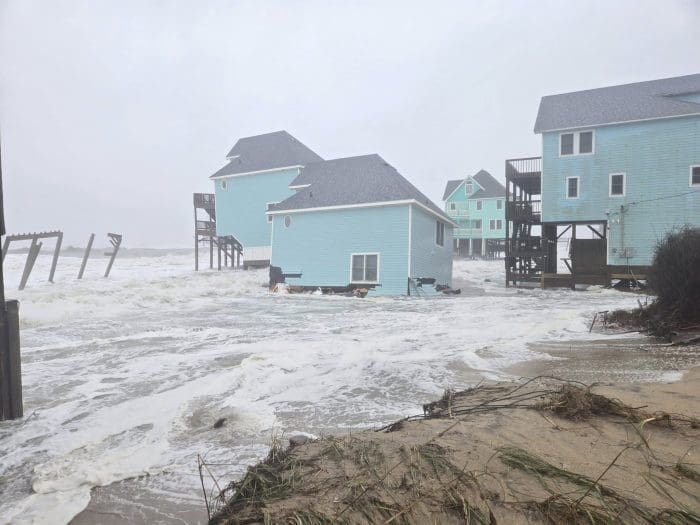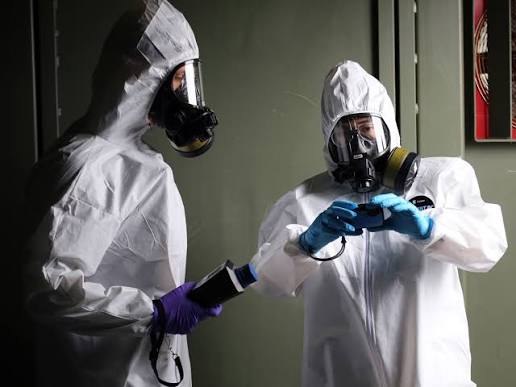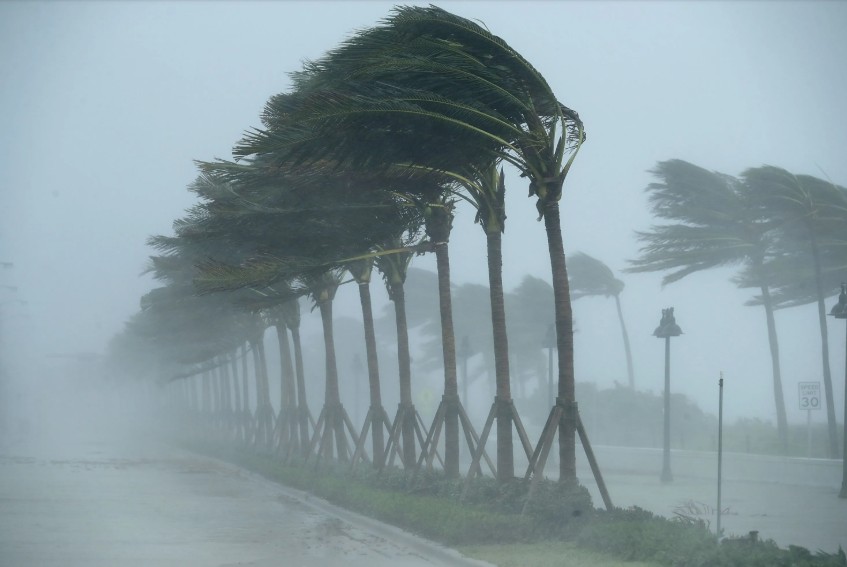
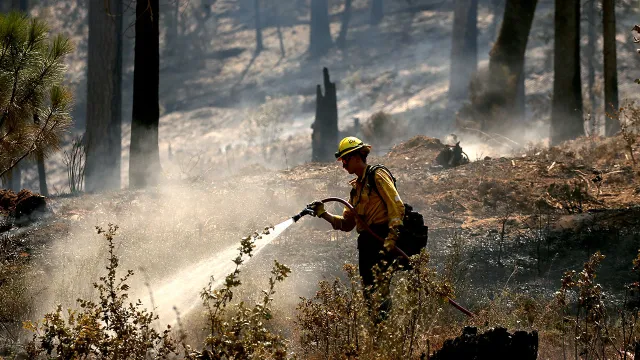
A growing majority of American voters believe extreme weather is becoming more frequent and increasingly recognize climate change as a major cause. The findings suggest that public concern about global warming is extending beyond traditional partisan divisions, even as President Donald Trump continues to dismiss climate change as a “hoax” and his administration weakens federal environmental and worker-protection policies.
The survey, conducted by the progressive polling organization Data for Progress, found that 61% of likely U.S. voters believe extreme weather events have become more frequent during the past five years. That view was shared by 72% of Democrats and 63% of independents. Significantly, 46% of Republicans also agreed, indicating that nearly half of voters within Trump’s party recognize a noticeable increase in dangerous weather.
Researchers also asked participants whether climate change is worsening specific kinds of disasters. Heatwaves received the strongest response, with 67% of voters saying global warming is making them more severe. Majorities also connected climate change to worsening wildfires, droughts, floods, hurricanes, severe thunderstorms and hailstorms. Among Republicans, 48% said climate change intensifies heatwaves—the highest level of Republican agreement recorded for any category of extreme weather in the survey.
Climate experts believe extreme heat may provide one of the most effective ways to discuss global warming with skeptical audiences because it is experienced across almost every region of the country. Unlike hurricanes, wildfires or flooding, which can be geographically concentrated, prolonged periods of unusually high temperatures affect rural communities, suburbs and major cities alike. Heat also kills more people in the United States each year than hurricanes, tornadoes and floods combined, making it both an environmental and public-health threat.
The polling results are consistent with earlier research from the Yale Program on Climate Change Communication, which has found that Americans are increasingly linking extreme weather to global warming. However, researchers cautioned that public understanding remains incomplete. A significant portion of Americans still believe climate change is primarily caused by natural cycles rather than human activity, despite overwhelming scientific evidence that the burning of fossil fuels is the main driver of the current warming trend. A Yale survey found that 27% of respondents viewed recent climatic changes as mostly natural.
The strongest level of agreement in the new survey concerned protections for workers exposed to extreme heat. Approximately 88% of likely voters supported state requirements directing employers to provide drinking water, shade, rest breaks and air conditioning during dangerously hot conditions. Only 7% opposed such measures, demonstrating unusually broad bipartisan backing for basic workplace safeguards.
Outdoor workers—including farmworkers, construction employees and roofers—are especially vulnerable, but indoor employees in warehouses, factories and commercial kitchens can also face dangerous temperatures because of inadequate ventilation or cooling. Worker-safety advocates argue that the polling strengthens the case for a national heat standard requiring employers to protect workers during extreme conditions.
Progress toward federal protections has stalled under the Trump administration. The administration allowed a nationwide Occupational Safety and Health Administration initiative focused on heat-related illness to expire before introducing a substantially weakened replacement. Supporters of stronger protections say the survey demonstrates that government inaction is out of step with public opinion.
The findings suggest that Americans may be more prepared for climate-related policies than political debates imply. Although divisions remain over the causes of climate change and broader environmental regulation, extreme weather—particularly dangerous heat—appears to be creating common ground. The survey indicates that practical policies centered on health, employment and personal safety may attract broad support even among voters who remain skeptical of traditional climate messaging.