Supreme Court Gives Trump a Partial Victory in Fight Over Mail-In Voting
· 3 min read
The U.S. Supreme Court has handed President Donald Trump a significant, though limited, victory in his effort to tighten rules surrounding mail-in voting before the November 2026 midterm elections. In a 6-3 decision, the court lifted one injunction that had blocked part of Trump’s March executive order, allowing the administration to move forward with some of its election-related plans while leaving another major legal barrier in place.
The dispute centers on Trump’s executive order directing federal agencies to take a more active role in the administration of federal elections. Among other provisions, the order instructed the Department of Homeland Security to compile lists of U.S. citizens eligible to vote and send that information to states. It also directed the Justice Department to prioritize investigations of election officials who provide ballots to people the federal government considers ineligible.
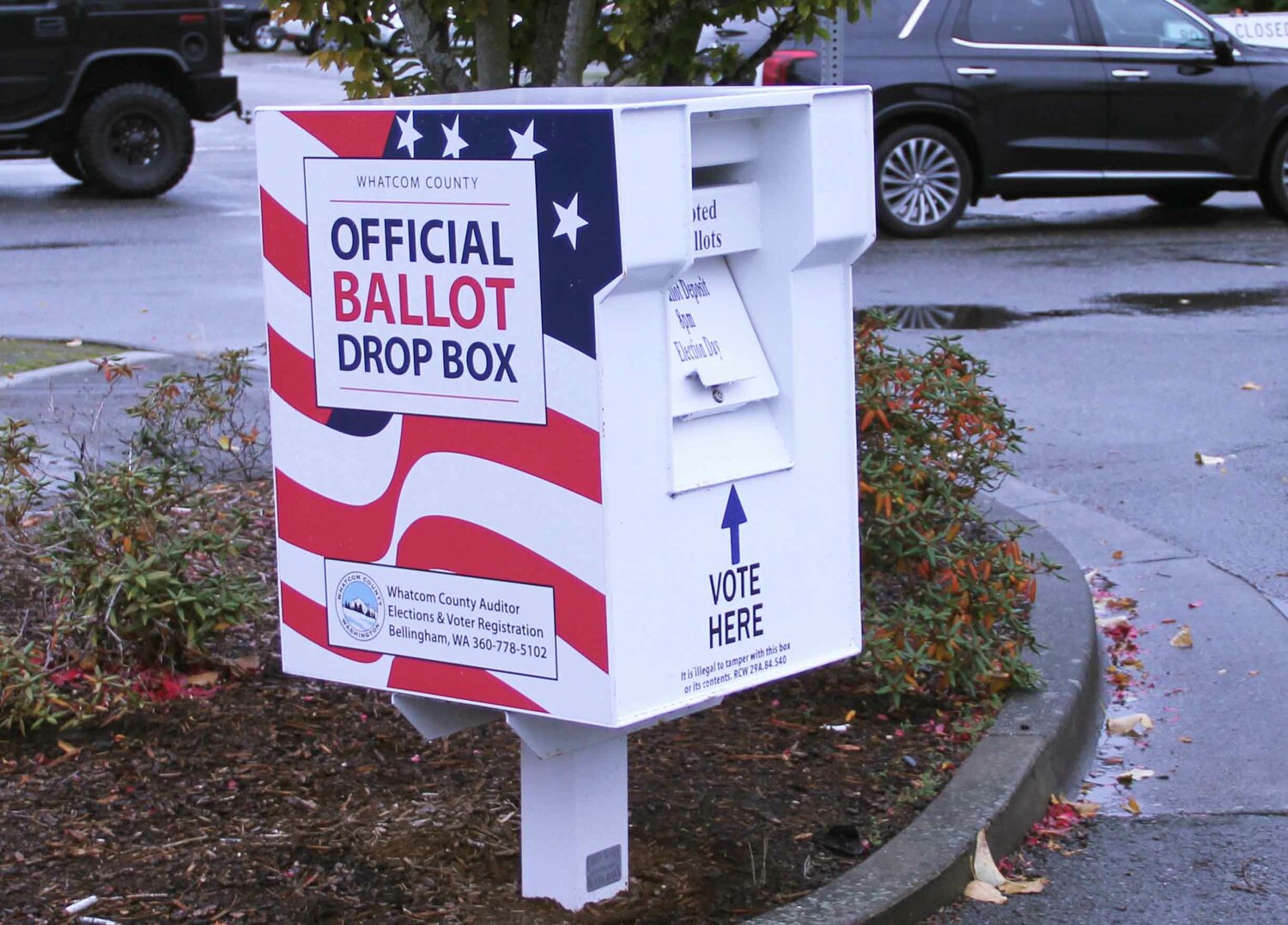
Perhaps the most controversial portion of the order involves mail voting. Trump directed the U.S. Postal Service to deliver mailed ballots only to voters included on state-approved absentee-ballot lists. The administration argues that these measures would improve election security and help prevent improper voting. Trump has repeatedly criticized mail-in voting and has pledged to sharply restrict its use nationwide. Evidence of widespread voter fraud in the United States, however, remains rare.
A coalition of 23 mostly Democratic-led states and the District of Columbia challenged the executive order, arguing that presidents do not have the constitutional authority to dictate how states administer elections. In June, U.S. District Judge Indira Talwani agreed with the states and blocked parts of the order, concluding that the Constitution gives states an important role in establishing voting requirements and administering elections.
The Supreme Court did not decide whether Trump’s policy is ultimately constitutional. Instead, the conservative majority concluded that the states had challenged the order too early. According to the court, the federal agencies involved had not yet taken sufficiently concrete actions to produce the kind of injury necessary for the states to sue. The ruling therefore focused primarily on legal standing and timing, rather than directly endorsing Trump’s underlying election policies.
That distinction is important because the litigation is far from over.
The Supreme Court left intact a separate nationwide injunction issued by Talwani on August 11 that prevents the Postal Service from enforcing the executive order’s tighter mail-ballot restrictions. That case was brought by voting-rights organizations rather than the states. As a result, one of the most consequential elements of Trump’s plan remains blocked despite Monday’s Supreme Court ruling.
The Postal Service has nevertheless prepared for the possibility that the restrictions could eventually take effect. It recently finalized rules requiring states to provide lists of voters receiving mailed ballots and to place unique tracking barcodes on outgoing and returned ballot envelopes. The agency says these measures would improve ballot tracking and compliance with federal law.
The Supreme Court’s three liberal justices dissented. Justice Sonia Sotomayor, joined by Justice Elena Kagan, argued that states should not have to wait until the administration begins implementing potentially unlawful election changes before challenging them. Justice Ketanji Brown Jackson issued a separate dissent. Sotomayor stressed that the majority’s ruling did not determine whether Trump’s attempts to influence state election administration are lawful.
Democratic officials immediately promised further litigation. California Gov. Gavin Newsom and New York Attorney General Letitia James said states would continue challenging the administration if the rules begin affecting election operations or voters.
The timing makes the conflict especially consequential. Republicans are fighting to preserve control of Congress in closely contested midterms, and Democratic voters historically have been more likely than Republicans to use mail-in ballots. Changes to voting procedures could therefore carry significant political consequences.
For Trump, the ruling removes one obstacle to his broader campaign to reshape federal election rules. But it is not a final victory. The Supreme Court has allowed part of his strategy to advance while leaving the central constitutional questions unresolved—and with another court order still preventing the most direct restrictions on mailed ballots from taking effect.