Influencers Are Filling Burbank’s Studios as Hollywood’s Traditional Production Slump Continues
· 3 min read
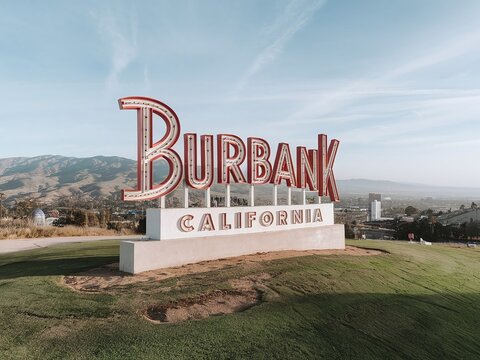
A major transformation is unfolding inside Burbank’s famous entertainment industry. As traditional film and television production continues to decline across Los Angeles, YouTubers, digital creators and influencer-led entertainment companies are increasingly moving into professional soundstages once associated almost exclusively with Hollywood studios.
The shift reflects the growing economic power of the creator industry and could provide an important new source of work for Los Angeles production facilities struggling with Hollywood’s prolonged slowdown. Digital production shoot days increased 47% during the second quarter of 2026, reaching 661, compared with the same period a year earlier. Overall on-location filming in Los Angeles, meanwhile, declined 13%.
Among the companies expanding in Burbank are well-established digital brands including Smosh, Mythical Entertainment and creator Alan Chikin Chow’s production operation. These businesses are adopting increasingly sophisticated production methods, using permanent sets, professional crews and facilities that increasingly resemble those of conventional television programs.
The geographic choice is significant.
Burbank has been one of the historic centers of American entertainment for generations, home to major studios and an enormous network of writers, actors, technicians, editors and production companies. For digital creators, operating there provides access to the same infrastructure and talent that helped build traditional Hollywood.
It can also make collaboration with established celebrities easier. Jacob Moncrief, president of Mythical’s studio operation, explained that proximity to the Warner Bros. lot can help attract prominent guests to programs such as “Last Meals.” Celebrities already working nearby can reach creator studios within minutes.
For influencers, moving into professional studios also represents an important evolution in their businesses.
Online creators once built audiences with relatively inexpensive cameras, bedrooms and improvised sets. The largest creator companies now operate much more like independent entertainment studios. They produce recurring shows, employ sizable staffs, sell advertising and merchandise and distribute programming directly through platforms such as YouTube rather than relying primarily on traditional television networks.
That expansion is arriving at an opportune moment for Los Angeles soundstage owners.
The region has spent years struggling with declining production. Studio occupancy fell to 63% in 2024 from 69% in 2023, while productions have increasingly moved to other states and countries offering lower costs and attractive tax incentives.
Digital creators cannot yet replace the enormous economic footprint of traditional Hollywood, but their growth offers a rare bright spot.
The transformation also presents opportunities—and complications—for entertainment workers.
Creator productions increasingly require many of the same skills as conventional Hollywood: camera operators, production designers, editors, lighting technicians, sound engineers, makeup artists and other specialists. Workers who previously depended on film and television projects may therefore find new opportunities in digital media.
However, employment conditions can be substantially different.
Much of the creator economy remains non-union, and digital productions generally pay less than traditional film and television work. Labor organizations including SAG-AFTRA and the Motion Picture Editors Guild are consequently developing contracts specifically designed for new-media productions as they attempt to bring more creator work under union protections.
The change also illustrates a broader transformation in audience behavior.
YouTube personalities and online creators increasingly compete with television programs and movie studios for viewers, advertising dollars and cultural influence. Younger audiences in particular frequently spend substantial amounts of entertainment time watching creator-driven programming rather than conventional television.
As those audiences grow, the distinction between an “influencer” and a traditional entertainment company is becoming increasingly difficult to define.
The irony is striking: while Hollywood studios struggle with declining production, the next generation of entertainment companies is moving into the same professional infrastructure Hollywood helped create.
Burbank’s soundstages are therefore not simply finding new tenants. They are becoming physical evidence of a changing entertainment economy—one in which YouTube creators are evolving from outsiders filming internet videos into increasingly sophisticated media businesses.
Traditional Hollywood remains vastly larger and more economically important. But the direction of growth is difficult to ignore. As film and television production contracts, digital production is expanding, hiring crews and occupying professional studios.
What is happening in Burbank may ultimately represent an early glimpse of Hollywood’s next chapter: the soundstages remain, the cameras keep rolling, but the people deciding what gets produced—and where audiences watch it—are changing.