McDonald’s Launches $8.5 Billion Reinvention as Competition and Changing Customers Challenge Its Fast-Food Empire
· 3 min read
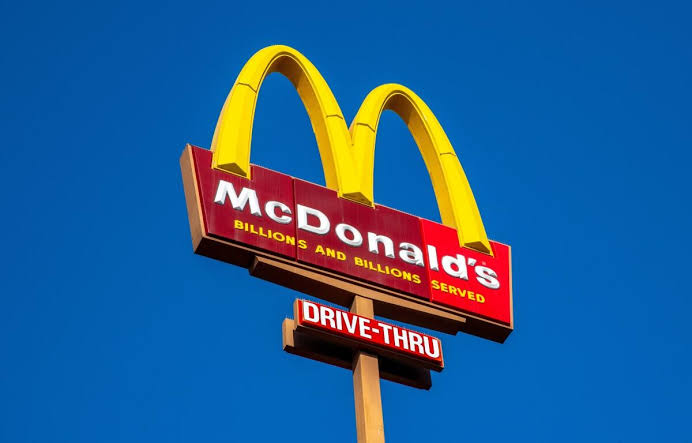
McDonald’s is preparing one of the largest transformations in its recent history, committing $8.5 billion over the next decade to strengthen its franchise restaurants, modernize operations and adapt its menu as competition intensifies and consumers become increasingly selective about where they spend their money.
The investment is part of a multiyear strategy called “Next,” designed to make McDonald’s restaurants more profitable, efficient and attractive to customers.
Approximately $5 billion will be deployed during the next three and a half years. The money will include capital support and rent relief for franchise operators, who own and operate the vast majority of McDonald’s restaurants.
The strategy comes at a challenging moment for the fast-food giant.
McDonald’s recently reported its weakest quarterly growth since 2025. Management acknowledged that too many promotions had complicated restaurant operations and hurt customer service, while a major World Cup marketing campaign failed to generate the customer traffic the company expected.
Broader economic pressures are also affecting the industry. Higher food prices and persistent cost-of-living concerns have caused some consumers to reduce restaurant visits, particularly lower-income households.
McDonald’s now wants to simultaneously improve value, food quality and restaurant efficiency.
A major portion of the investment will go toward remodeling restaurants. Planned changes include improved lighting, larger play areas, redesigned dining spaces and kitchens equipped with new technology.
Artificial intelligence will play an increasingly important role.
McDonald’s is deploying technology designed to improve order accuracy and automate tasks such as inventory management and employee scheduling. The company estimates that operational improvements associated with the new investments could eventually generate approximately $100,000 in additional annual cash flow for an average U.S. restaurant.
Menu changes represent another important part of the strategy.
McDonald’s sees a growing opportunity among consumers seeking higher-protein meals. The company estimates that roughly 60 million Americans are actively looking for more protein in their diets, while approximately 30 million people use GLP-1 weight-loss medications.
To reach these consumers, McDonald’s is experimenting with products including burger and chicken bowls, egg bites, grilled chicken and wraps. Hand-breaded chicken, already available at thousands of restaurants internationally, is also expected to undergo additional testing.
Competition is adding urgency to those efforts.
Burger King recently reported an 8.5% increase in U.S. same-store sales, outperforming McDonald’s by the widest margin in more than a decade. Chicken-focused chains and rapidly expanding beverage companies are also competing for customers McDonald’s historically dominated.
Value remains another priority.
Management is discussing a new value menu with franchisees that could eventually replace the recently introduced “$3 and Under” offering. The company wants to provide affordable entry-level prices without overwhelming restaurants with overlapping promotions that make operations slower and more complicated.
Coffee is also receiving attention. McDonald’s plans to install new espresso machines and offer alternative milks as it attempts to capture more of the growing beverage market.
At the same time, approximately 2 million McDonald’s employees worldwide will receive new training focused on hospitality, food quality and consistent execution.
Franchisees will shoulder part of the financial burden. U.S. operators typically spend as much as $450,000 per decade on required restaurant renovations. Under the new strategy, they could eventually face approximately $800,000 in additional investments, although McDonald’s plans to offset some expenses through capital assistance and rent relief.
The strategy reflects a broader challenge confronting McDonald’s: being the world’s dominant fast-food company no longer guarantees continued growth.
Consumers are demanding lower prices, better service, more convenient technology and different food choices simultaneously.
McDonald’s is betting billions that modern restaurants, smarter kitchens, better-trained workers and a more adaptable menu can help the company respond — while giving its franchisees the financial and technological tools necessary to compete in a rapidly changing restaurant industry.