Iowa Lands $15 Billion Steel Megaproject as Trump Pushes a New Era of American Manufacturing
· 2 min read
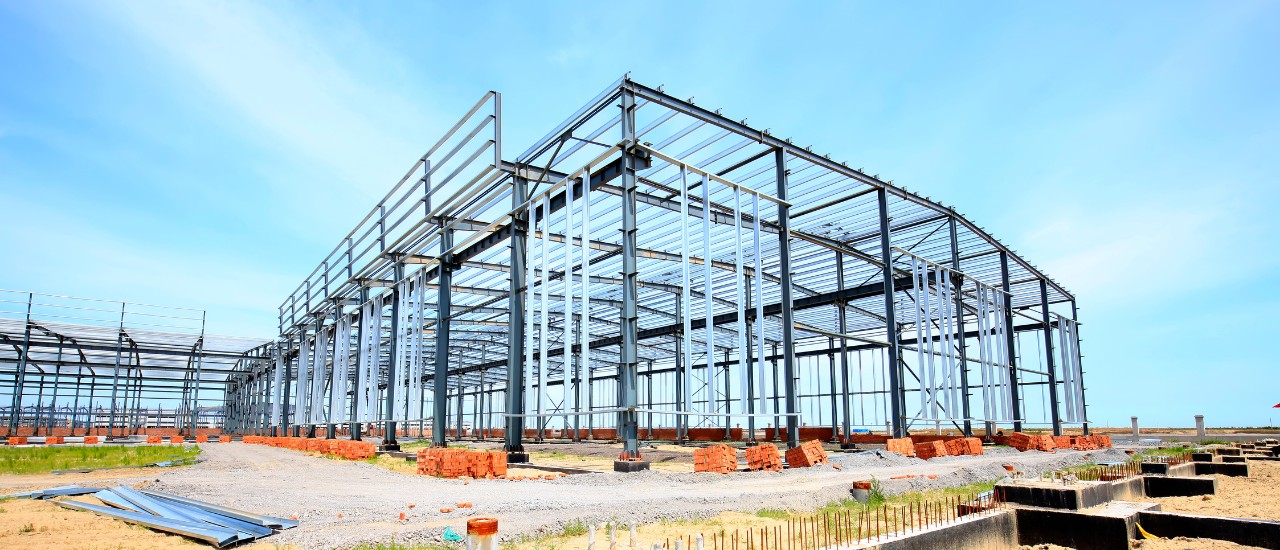
President Donald Trump has announced plans for a $15 billion steel complex in Iowa that could become one of the largest steelmaking facilities in the United States, giving his administration a major manufacturing investment to showcase as Republicans campaign ahead of the November midterm elections.
The project will be developed by Mesabi Metallics, a Minnesota-based company backed by India’s Essar Group.
Mesabi plans to construct the facility in eastern Iowa and initially produce approximately 7.5 million tons of steel annually. Future expansion could raise capacity to roughly 10 million tons per year.
Production is expected to begin around 2030.
The company says the plant could create more than 1,700 permanent jobs, in addition to thousands of construction positions during development.
A major feature of the project is its connection to Mesabi’s newly opened iron-ore operation in Minnesota.
The $2.5 billion mine is Minnesota’s first new iron-ore mine in approximately 50 years. Ore from the facility will be transported by railroad to Iowa, where it will be processed and used alongside scrap steel in electric-arc furnaces.
The companyñ argues that controlling its own supply of high-quality iron ore will allow it to operate at enormous scale while remaining cost competitive.
Trump has presented the investment as evidence that his trade and industrial policies are encouraging companies to expand manufacturing inside the United States.
His administration has imposed tariffs of 50% on many imported steel products, making foreign steel significantly more expensive in the U.S. market.
American steel producers and industry groups argue that those tariffs have helped support more than $40 billion in new domestic steel investment while strengthening an industry they consider strategically important to national security.
But the policy also creates costs elsewhere in the economy.
Because tariffs restrict competition from cheaper foreign steel, American steel prices are now among the highest globally. Manufacturers that use large quantities of steel — including automakers, machinery companies and construction businesses — can therefore face higher input costs.
The Iowa announcement also carries political significance.
Trump unveiled the investment alongside Iowa Republican officials and candidates as the party prepares for competitive congressional elections. Although Trump comfortably carried Iowa in 2024, several races in the state have become closely contested.
The project’s history also introduces uncertainty.
Essar originally pursued major iron-ore and steel ambitions in the region roughly two decades ago, but the effort experienced repeated delays, financial problems and disputes involving state assistance.
The Minnesota mine eventually entered bankruptcy proceedings before Mesabi Metallics emerged from the reorganized company and restarted development.
Mesabi is also involved in a continuing dispute with Cleveland-Cliffs over valuable Minnesota iron-ore leases.
Steel itself is a cyclical business. Strong prices can encourage enormous investments during periods of high demand, but economic slowdowns can produce excess capacity and sharply lower prices.
That makes the scale of the Iowa proposal particularly ambitious.
Most new American steel mills begin with smaller production capacity and expand gradually. Mesabi instead intends to enter the market with one of the country’s largest operations.
If completed as planned, the Iowa complex would create an unusually integrated domestic supply chain connecting Minnesota iron ore, American rail transportation, Iowa steelmaking and U.S. manufacturers.
The project therefore represents more than another factory announcement.
It is a major test of whether tariffs, domestic resources and enormous private investment can support a new generation of American heavy manufacturing — while producing steel competitively enough to sustain one of the largest industrial projects announced in the United States in years.