Maryland Launches $200 Million Clean Energy Initiative to Fight Rising Electricity Bills and Strengthen Its Power Grid
· 3 min read
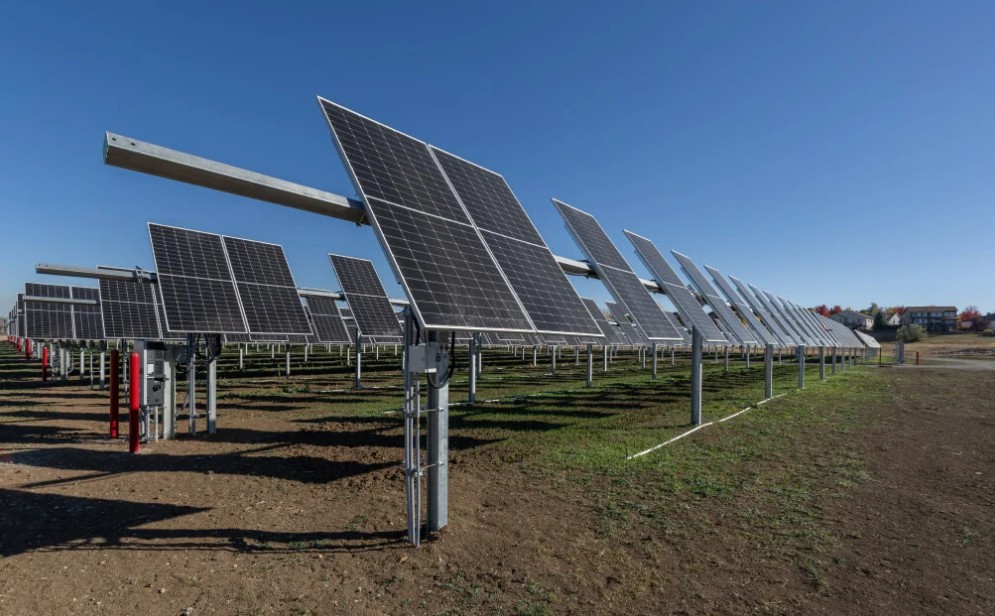
Maryland is launching an ambitious $200 million clean energy investment program designed to expand renewable electricity generation, strengthen the state’s power infrastructure and eventually provide relief to households struggling with rising utility bills.
Announced by Governor Wes Moore on October 26, 2026, the initiative, called Megawatts for Maryland, will provide financial support to developers building solar, wind and battery storage projects throughout the state. The program comes as growing electricity demand places increasing pressure on the regional power grid, contributing to higher costs for Maryland families and businesses.
The initiative will distribute up to $200 million over two fiscal years, with approximately $100 million available annually. Established through Maryland’s 2026 Utility RELIEF Act, the program will be administered by the Maryland Energy Administration.
Unlike traditional subsidy programs, the initiative will use a competitive auction system to determine which projects receive financial assistance. Developers will submit bids requesting state support, and officials will prioritize eligible projects that can generate the greatest amount of electricity for the lowest public investment.
The objective is to encourage cost-effective renewable energy development while ensuring that taxpayer-supported funding produces measurable results. Projects must have already completed important preliminary development steps, including securing property and beginning relevant regulatory applications.
State officials hope these requirements will prevent public resources from being committed to speculative developments unlikely to become operational. Maryland officials estimate that the selected projects could collectively add several hundred megawatts of renewable energy capacity.
That additional generation could produce enough electricity annually to serve approximately 150,000 homes. Solar farms, wind installations and energy storage facilities will play important roles in the initiative.
Battery storage is particularly significant because it allows electricity generated during periods of strong sunlight or wind to be stored and used when demand increases. This flexibility could help improve grid reliability and reduce pressure during periods of peak electricity consumption.
However, the projects are not expected to provide immediate financial relief. Maryland Energy Administration Director Kelly Speakes-Backman emphasized that the program is a medium- to long-term investment rather than a solution that will reduce electricity bills overnight.
Developers receiving grants must bring their projects online within seven years. The funding will come from the state’s Strategic Energy Investment Fund, which receives payments from electricity suppliers that do not meet Maryland’s renewable energy requirements.
These alternative compliance payments have increased in recent years because renewable energy development has struggled to keep pace with state mandates. Rather than relying on a new tax, Maryland will redirect part of this existing funding stream toward additional electricity generation. However, the fund has also become politically controversial.
Lawmakers previously used portions of its resources to address state budget pressures, drawing criticism from conservative groups and environmental advocates concerned about the diversion of clean energy funding. The new initiative represents an effort to invest those resources directly in expanding energy supply.
Maryland’s investment also comes amid changes to federal renewable energy incentives. The Trump administration eliminated certain investment tax credits established under the Inflation Reduction Act, creating additional financing challenges for clean energy developers.
State officials acknowledge that Maryland’s grants cannot fully replace the lost federal support. Nevertheless, they believe the $200 million commitment could help important projects secure financing and move toward construction.
Governor Moore has presented the initiative as part of a broader strategy to strengthen Maryland’s energy independence and address rising electricity costs. Despite its potential benefits, renewable energy expansion can face opposition from communities concerned about land use, environmental impacts and neighborhood development.
Some solar and battery storage proposals have already generated local disputes. To address these concerns, applicants must demonstrate that they have notified local elected officials. Developers advancing to the final bidding stage must also submit plans describing community engagement and potential local benefits.
However, the final selection process will prioritize electricity production relative to the amount of grant funding requested. Initial applications are due November 30, 2026, with qualified developers required to submit final bids by January 22, 2027.
Grant decisions are expected in spring 2027. If successful, the program could help Maryland expand domestic electricity generation, improve grid flexibility and reduce long-term pressure on utility prices.
The initiative reflects a growing effort by state governments to address energy affordability through infrastructure investment while accelerating the transition toward cleaner electricity sources.