Zin Boats Secures $5 Million to Expand Electric Propulsion Technology Beyond the Marine Industry
· 2 min read
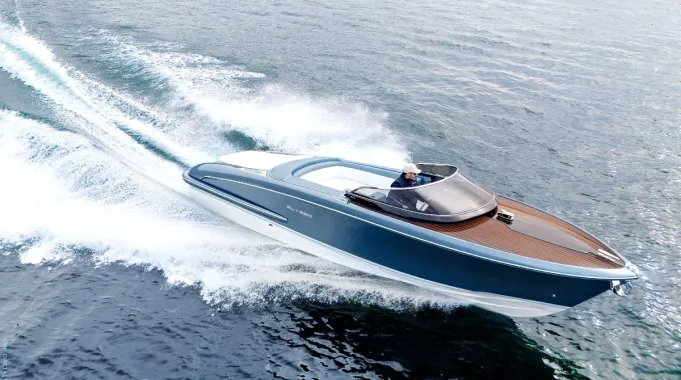
Seattle-based electric boat manufacturer Zin Boats has secured $5 million in seed funding and announced the launch of Zin Power, a new business division dedicated to developing and supplying electric propulsion systems. The initiative represents a significant strategic expansion beyond recreational boating, targeting industries traditionally dependent on diesel engines, including construction and mining.
Under the leadership of founder and CEO Piotr Zin, the company has identified growing commercial demand for its electric motors, batteries, and propulsion technologies. Approximately 90% of its current revenue comes from propulsion equipment sales to customers operating in the marine and drone industries, highlighting a substantial transformation in its business model.
The latest investment brings the company’s total funding to approximately $6.5 million. Zin Boats intends to use the additional capital to increase manufacturing capacity, strengthen its engineering and commercial operations, and assist industrial customers transitioning from diesel-powered machinery to electric alternatives.
The startup has also expanded its Seattle headquarters to 11,000 square feet, supporting its ambitions to increase production and accommodate future business growth.
Zin Power’s technology incorporates high-performance electric motors, battery storage systems, and proprietary control software. Its motors range from 100 to 600 kilowatts, offering substantial power for demanding industrial and maritime applications. Customers can choose between fully electric and hybrid configurations depending on their operational requirements.
The company’s proprietary control system integrates charging, temperature management, software, and operational safety, providing a comprehensive solution for equipment manufacturers seeking alternatives to conventional combustion engines.
One of the most significant factors supporting this expansion is the potential economic advantage of electrification. According to Piotr Zin, electric propulsion systems could reduce operating expenses by up to 70% compared with diesel-powered alternatives.
The company estimates that replacing a heavily utilized 250-horsepower industrial diesel engine with an electric system could generate savings of approximately $1.5 million over a decade. However, these projections are company estimates, and actual savings would depend on electricity prices, equipment usage, maintenance requirements, and installation expenses.
Beyond financial benefits, electrification offers opportunities to reduce direct carbon emissions, noise pollution, and dependence on fossil fuels. These advantages could become increasingly attractive to businesses seeking to modernize operations without compromising productivity.
Nevertheless, widespread industrial electrification continues to face important challenges. Battery costs, charging infrastructure, energy availability, equipment compatibility, and demanding operating environments remain significant considerations for businesses evaluating alternative propulsion technologies.
Zin Power’s experience in maritime engineering could provide a competitive advantage, considering the demanding environmental conditions in which marine equipment must operate. Its long-term objective is to simplify installations through standardized systems capable of directly replacing traditional diesel engines.
The expansion also reflects a broader entrepreneurial opportunity within America’s clean technology sector. While electric passenger vehicles have attracted considerable investment, industrial machinery represents another potentially significant market for energy innovation.
Ultimately, Zin Boats’ $5 million investment and strategic diversification demonstrate how specialized engineering businesses can pursue opportunities beyond their original markets. By combining maritime expertise with industrial electrification, the Seattle startup aims to contribute to a more efficient, technologically advanced, and environmentally sustainable American economy while establishing new opportunities for commercial growth.