America’s Schools Face a Defining Vote as States Weigh Prayer, Transgender Sports Rules and Education Reform
· 2 min read
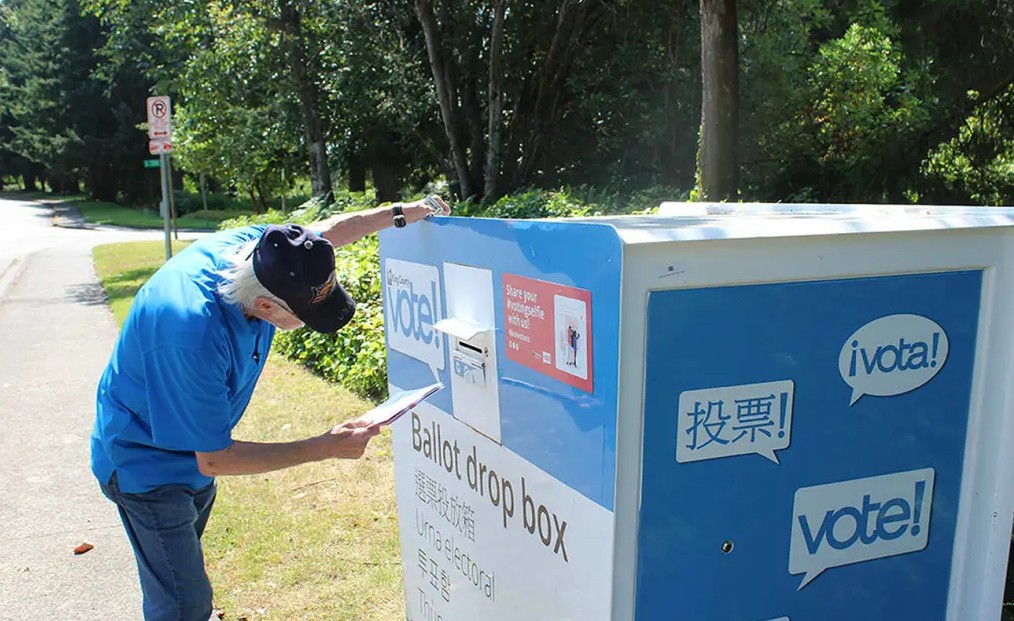
American voters will decide more than congressional races in the November 3 midterm elections. Across the country, education has become a major focus of state ballot initiatives, with proposals addressing religious expression in public schools, transgender student participation in athletics, school funding and other policies that could reshape classrooms for years.
According to data, voters in 10 states will consider 17 education-related measures in November. The National Conference of State Legislatures has recorded 19 education initiatives throughout 2026, including two Louisiana proposals defeated earlier in the year, making this the busiest midterm election for education ballot measures since 2018.
Several proposals seek to amend state constitutions rather than simply change existing laws. Constitutional amendments are generally more difficult for future legislatures to reverse, potentially giving these decisions lasting significance.
In Alabama, voters will consider a constitutional amendment requiring public schools to provide opportunities for student-led prayer at the beginning of each school day.
The proposal would also establish constitutional requirements involving the daily Pledge of Allegiance. A separate amendment would require weekly broadcasts of the national anthem.
Supporters argue that these measures would strengthen civic traditions and provide students with opportunities for religious expression.
Opponents question whether formalizing prayer within public-school routines could create pressure on students with different religious beliefs or none at all.
The debate also raises constitutional questions about the separation of church and state. Students already possess rights to voluntary religious expression, but government-directed religious activities face legal restrictions.
Another prominent issue involves transgender students competing in school sports.
Voters in Nebraska, Arizona, Colorado and Washington will consider measures addressing athletic participation according to sex or gender identity.
Nebraska’s proposal would place an existing restriction on transgender girls participating in girls’ sports into the state constitution. It would also require school teams to be classified as male, female or coeducational.
Arizona’s proposal would expand existing restrictions, while Colorado and Washington voters will consider measures affecting participation in school athletics.
Supporters maintain that sex-based athletic categories are necessary to protect competitive fairness and opportunities for female athletes.
Opponents argue that the restrictions exclude transgender students from school activities and could expose vulnerable children to additional scrutiny and discrimination.
The measures reflect a broader national dispute over how schools should interpret fairness, inclusion and students’ rights.
Not every education proposal involves cultural or social disagreements.
Voters in California, Minnesota and New Mexico will consider measures related to education funding, while North Dakota residents will decide on an initiative intended to guarantee free school meals.
These proposals address practical concerns about school resources, student welfare and the financial responsibilities of state governments.
Their inclusion demonstrates that education policy remains closely connected to household finances and the everyday operation of public schools.
The growing number of education initiatives reflects an effort by advocacy organizations and political groups to resolve disputes directly through voters.
Supporters of ballot measures argue that statewide votes can establish clear, durable policies when legislatures remain divided.
Critics caution that complex questions involving constitutional rights, educational administration and vulnerable student populations may be difficult to resolve through broad ballot language.
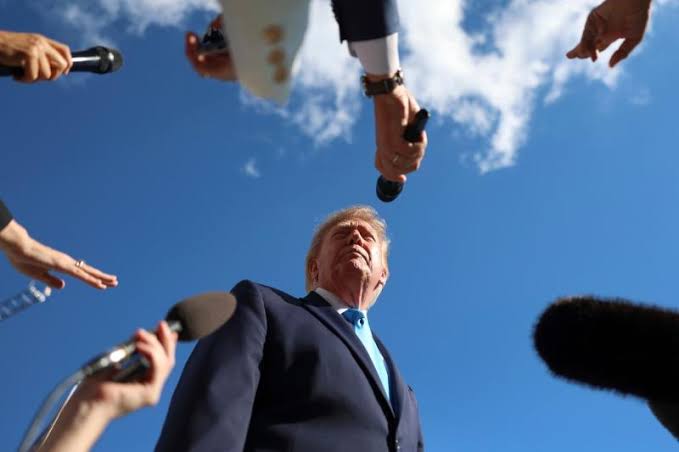
The Trump administration’s positions on religious expression and transgender participation in athletics have also influenced the national debate, although the proposals differ considerably among states.
Ultimately, November’s education votes could determine how public schools approach religion, student athletics, inclusion and financial support.
Beyond the immediate election, these decisions may establish policies that shape the experiences of millions of American students for years to come.