America’s Subway Systems Move Toward Driverless Trains as Washington and Los Angeles Debate the Future of Public Transportation
· 3 min read
America’s public transportation systems may be approaching a major technological transformation as Washington, D.C., and Los Angeles explore operating subway trains without human drivers.
The proposals could reshape how millions of Americans travel, introducing automated technology designed to improve efficiency, reduce operating costs and modernize aging transportation infrastructure.
Although driverless trains have operated for years in cities across Europe, Asia and other parts of the world, the United States has been slower to embrace fully automated rail transportation. Safety concerns, financial challenges and opposition from labor unions have complicated efforts to introduce the technology.
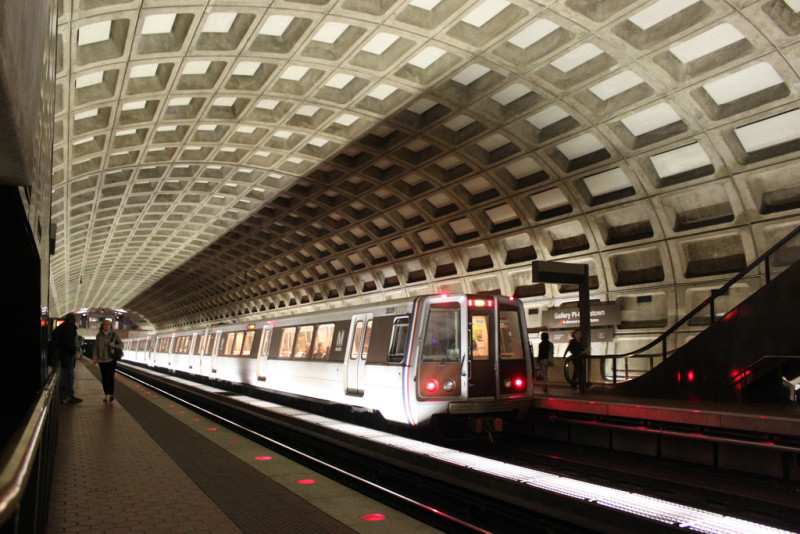
The Washington Metropolitan Area Transit Authority (WMATA) is considering a significant expansion of automated train operations. In April 2026, Metro’s board approved a plan worth nearly $1 billion to modernize the Red Line, potentially allowing trains to operate without drivers as early as 2033.
The proposal includes upgraded safety systems and protective platform barriers designed to prevent passengers from falling or entering the tracks. Washington’s subway system already has experience with automated technology. When Metro opened approximately 50 years ago, trains incorporated automated operating features, although human operators remained aboard.
However, the system’s modernization efforts suffered a major setback following a deadly collision near Fort Totten station in 2009. The accident killed nine people and injured many others.
Federal investigators attributed the crash to a failure involving the automated signaling system responsible for maintaining safe distances between trains. Following the tragedy, Metro suspended automatic train operations for years. The agency gradually restored automated operating features beginning in 2024. Metro Chief Executive Randy Clarke argues that today’s systems include stronger safety protections, improved monitoring and more rigorous operating procedures.
Nevertheless, fully driverless service remains a future possibility rather than an approved operating reality. Los Angeles is considering an equally ambitious project involving a new automated subway line beneath the Santa Monica Mountains.
The proposed Sepulveda Transit Corridor would connect the San Fernando Valley with the city’s Westside, where heavy traffic frequently creates significant commuting delays. Transportation planners believe automation could allow shorter trains to operate more frequently, increasing service flexibility and passenger capacity.
The proposal also includes protective platform doors intended to separate passengers from approaching trains. Unlike Washington’s plan to upgrade an existing subway line, Los Angeles would construct new infrastructure specifically designed for automated operations.
However, the project remains under environmental review, and major financial and technical questions must still be resolved. While Washington and Los Angeles continue planning, Honolulu has already introduced a fully automated urban rail system.
The city’s Skyline railway began operating in 2023 and expanded in 2025. Once completed, the elevated system is expected to extend approximately 19 miles, making it the country’s most extensive automated rail network.
According to project director Vance Tsuda, the system has experienced no crashes or injuries attributed to automated operations. Supporters believe Honolulu demonstrates that driverless transportation can operate safely while reducing dependence on human operators.
The project also provides practical experience that other American transit agencies can examine. Despite the technological possibilities, transportation unions remain skeptical.
John Samuelsen, international president of the Transport Workers Union, has warned that eliminating onboard operators could create dangerous situations during emergencies. One major concern involves evacuating passengers from trains that become stranded in tunnels or near electrified tracks.
Union representatives argue that human operators provide immediate assistance when unexpected problems occur. Automation supporters respond that advanced monitoring systems, platform barriers and centralized control centers could reduce certain types of human error.
However, removing drivers would not eliminate the need for transit employees.
Maintenance specialists, emergency responders and technical personnel would remain essential to operating automated networks.
The debate reflects a broader transformation in transportation as autonomous vehicles and artificial intelligence become increasingly integrated into modern infrastructure. Supporters argue that fixed-rail systems are particularly suitable for automation because trains operate along predictable routes.
Critics maintain that public transportation must meet exceptionally high safety standards before human operators are removed. For American cities, the decision involves balancing substantial upfront investments against possible long-term operational savings.
If Washington and Los Angeles successfully introduce driverless subway service, their projects could encourage other cities to reconsider how public transportation is designed, operated and maintained in the decades ahead.