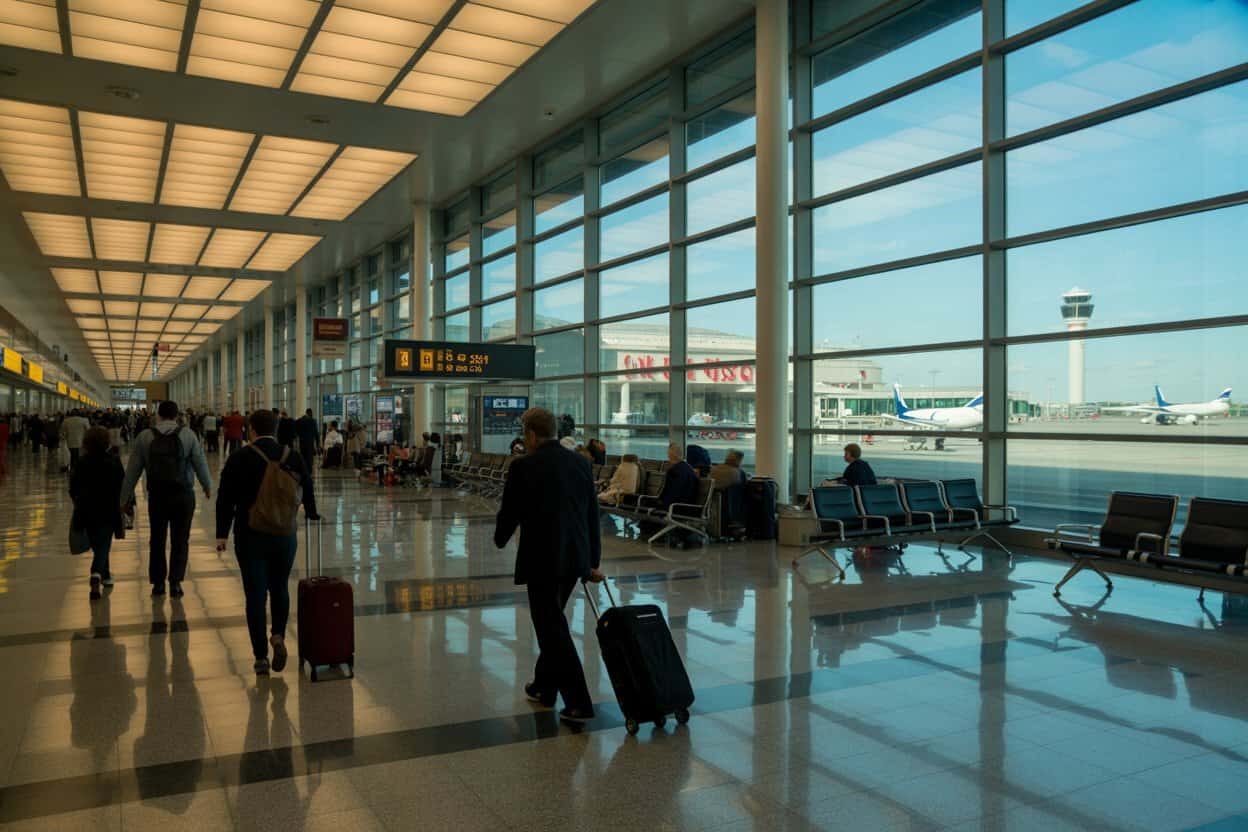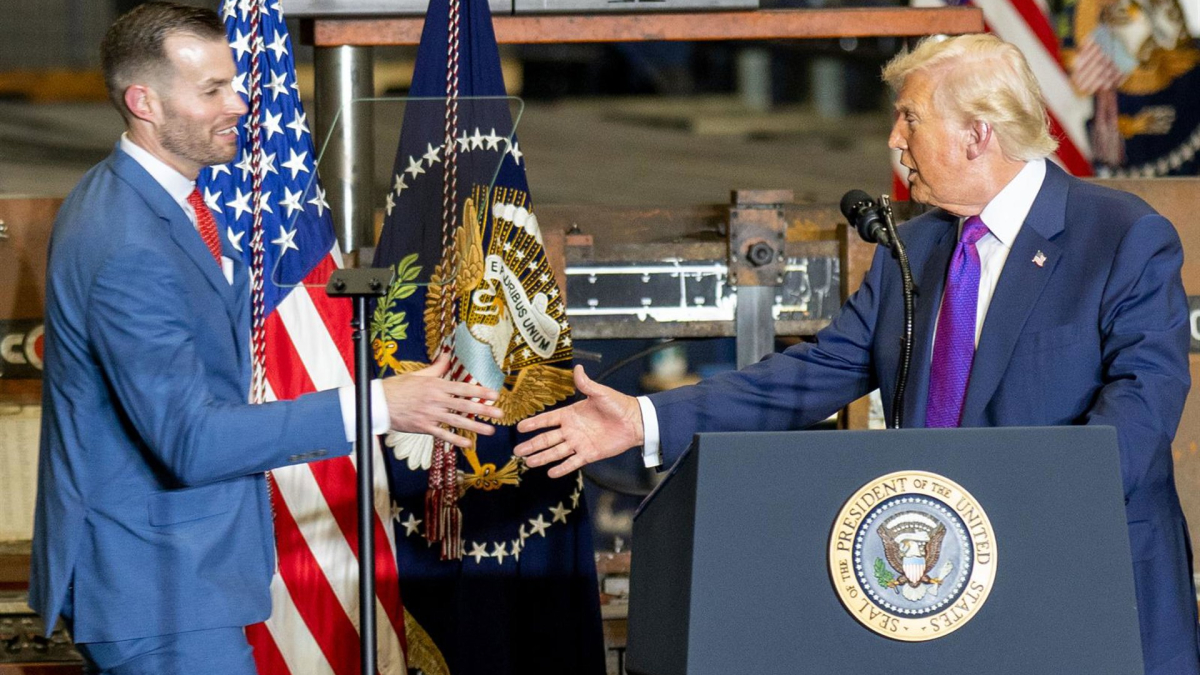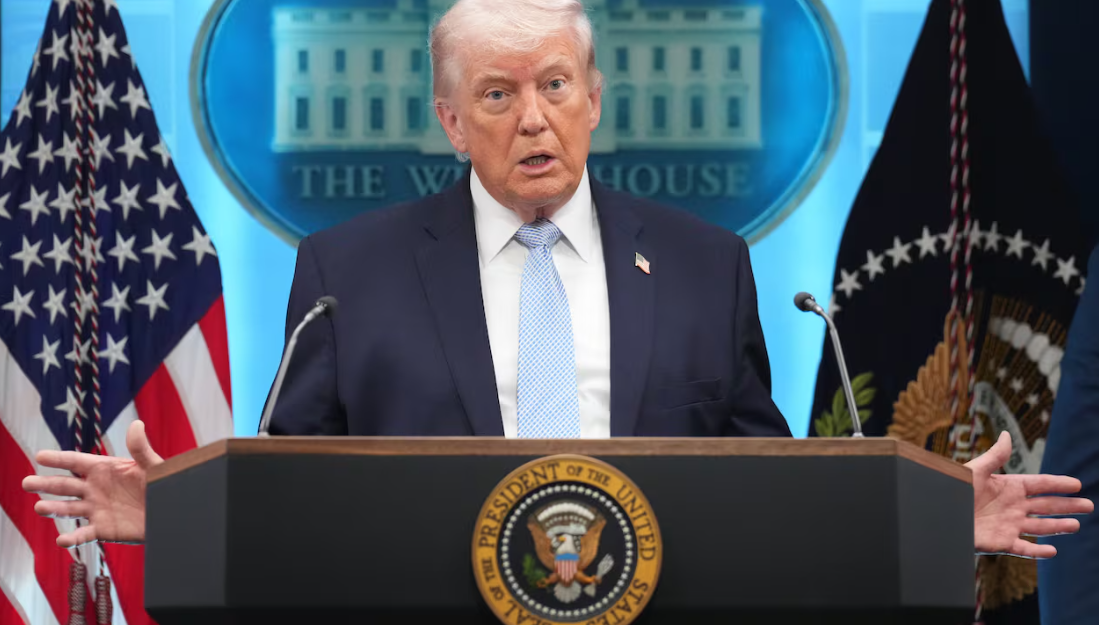

The Trump administration is considering a move that could severely disrupt international air travel in some of the country’s biggest metropolitan areas: stopping customs processing for international travelers at airports located in so-called sanctuary cities. Homeland Security Secretary Markwayne Mullin said the idea is under consideration as part of the administration’s response to cities and states that limit cooperation with federal immigration enforcement. He described it as one of several options being weighed while Congress remains deadlocked over funding for the Department of Homeland Security.
Mullin said customs officials could be pulled from airports in jurisdictions the administration considers noncompliant with federal immigration policy. He stressed that no final decision had been made, but he openly framed the idea as a possible consequence for cities that refuse to support the administration’s immigration crackdown. His argument was that if a city will not help enforce immigration law, then it makes little sense for the federal government to continue processing international travelers through that location.
If implemented, the impact could be enormous. The move could effectively halt international air travel and commerce at major airports in Democratic-leaning states and cities. It specifically noted that many cities on the Justice Department’s October 2025 sanctuary-jurisdiction list have major international airports, including New York City, Newark, Los Angeles, San Francisco, Seattle, Chicago, Philadelphia, and Denver. More than 50 million international travelers arrived at the three major New York-area airports alone last year.
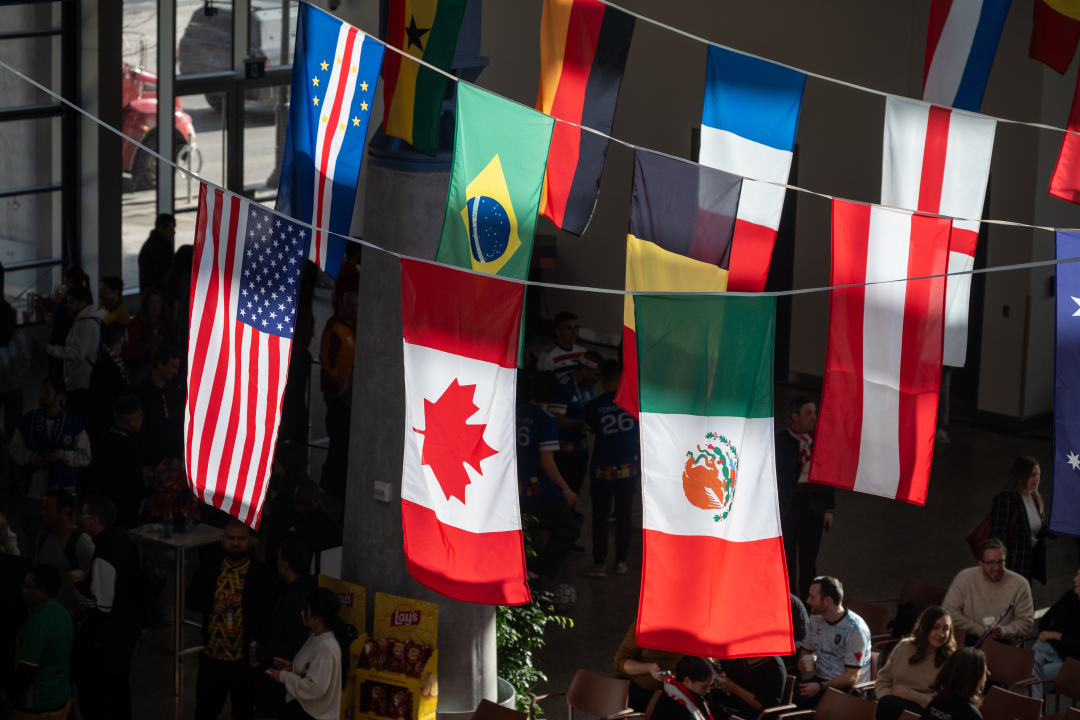
The timing would make the proposal even more consequential. This move could have major ramifications for trade, tourism, and the FIFA World Cup, which is set to begin in early June 2026. Because international customs processing is essential for inbound overseas travel, removing that function from major airports would likely force rerouting, cancellations, and major logistical strain across the aviation system. That broader disruption to travel and commerce is a reasonable inference that stopping processing could effectively halt international air traffic at those airports.
The idea also emerges from a larger political and budget fight that has already centered on airports and immigration enforcement. Since mid-February, U.S. airports and immigration policy have been caught up in a partisan standoff after Democrats refused to support additional funding for Trump’s immigration crackdown without reforms to scale back aggressive tactics. Mullin tied the airport-processing threat directly to that unresolved fight, saying the refusal to reach a deal on funding DHS, including Customs and Border Protection, is part of what is driving the administration to consider more drastic options.
Mullin also argued that sanctuary-city laws are themselves illegal because, in his view, they conflict with federal immigration law. He said these state and local policies contradict national law and therefore should not be tolerated. That position reflects the administration’s broader legal and political strategy of treating local limits on immigration cooperation not just as policy disagreements, but as barriers to federal authority.
Overall, the fact that DHS is openly discussing shutting down customs processing at major international airports shows how far the administration may be willing to go to pressure sanctuary jurisdictions and break the congressional funding impasse. If the idea moves from rhetoric to reality, it could transform an immigration dispute into a much wider national disruption affecting airlines, tourism, trade, and major global events hosted by the United States.