
Donald Trump’s administration has revoked the EPA’s 2009 “endangerment finding,” the scientific determination that greenhouse gases threaten public health and welfare and that underpinned federal climate rules for more than a decade. U.S. Environmental Protection Agency officials framed the move as a historic deregulatory step, while critics described it as a major rollback that will increase pollution and health risks.
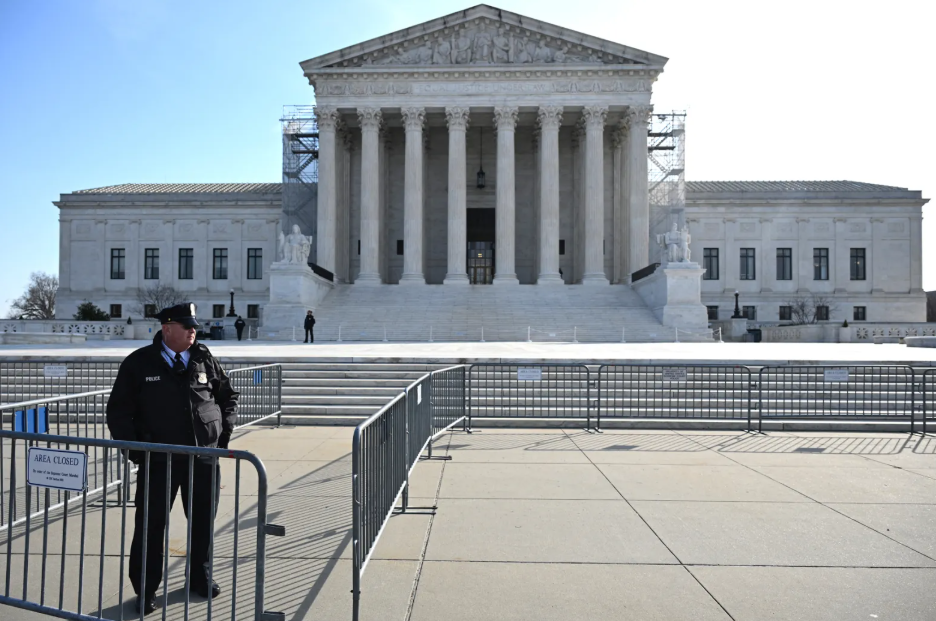
The endangerment finding matters because it provided the legal foundation—under Section 202(a) of the Clean Air Act—for regulating greenhouse gas emissions from motor vehicles, following the Supreme Court’s 2007 ruling in Massachusetts v. EPA that greenhouse gases qualify as “air pollutants” under the statute. In practical terms, the Guardian says the final rule removes the federal government’s ability to impose requirements to track, report, and limit climate-heating pollution from cars and trucks—significant because transportation is the largest source of U.S. climate pollution.
EPA Administrator Lee Zeldin argued that prior administrations used the finding to justify costly climate policies, and the administration claimed large economic savings (the EPA has said the action will save $1.3 trillion). But the move drew immediate condemnation from environmental and political leaders. Barack Obama said the repeal would leave Americans “less safe” and “less healthy,” while John Kerry called it “un-American” and warned it invites serious damage.
Although the rule is focused on vehicle-related authority, it could open the door to broader rollbacks for stationary sources like power plants. The article points to a separate EPA proposal arguing that power-plant emissions “do not contribute significantly” to dangerous air pollution, and quotes a former EPA official suggesting the agency’s reasoning could be extended so that climate rules fall “like dominoes” rather than all at once.
Legal challenges appear inevitable. Multiple environmental groups vowed to sue and that California also plans to take the EPA to court; Gavin Newsom warned the decision would worsen wildfires, heat deaths, floods, and droughts if it survives in court. Advocates also dispute the administration’s scientific and legal claims. The “no basis in fact or law” argument conflicts with the Supreme Court precedent that required EPA to make an endangerment determination, and it characterizes several administration assertions as false or misleading.
Repealing the finding—paired with rolling back vehicle standards—could add massive additional emissions and long-run costs, while groups like Environmental Defense Fund and Moms Clean Air Force argue the rollback shifts burdens onto families through dirtier air and climate impacts.