Federal Plan Orders Deep Colorado River Reductions as Climate Crisis Reshapes the Southwest
· 3 min read
The United States government has unveiled a sweeping proposal to reduce water withdrawals from the Colorado River, marking one of the most significant changes to Western water management in decades. The plan would require substantial reductions in water use by the Lower Basin states—Arizona, California and Nevada—as federal officials attempt to prevent the river system from reaching critically low levels after years of drought, rising temperatures and increasing demand. The proposal reflects growing recognition that the Colorado River can no longer reliably supply the amount of water promised under century-old agreements.
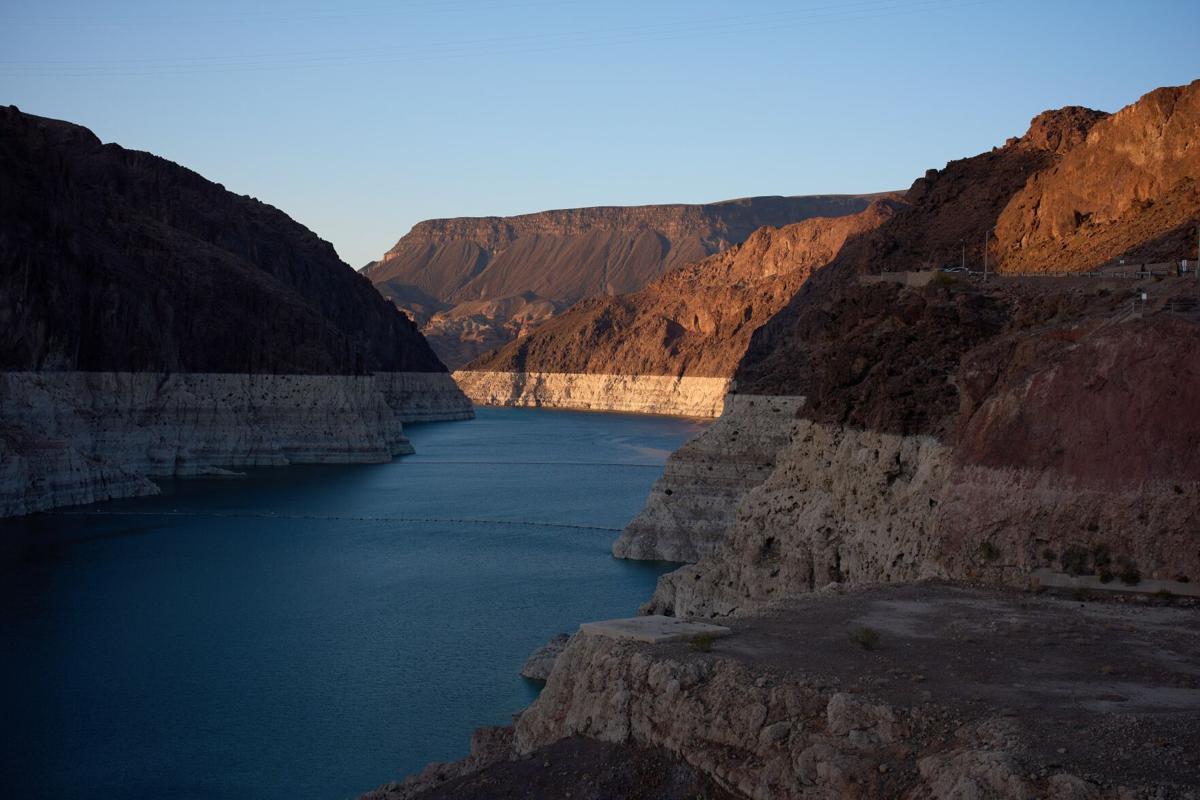
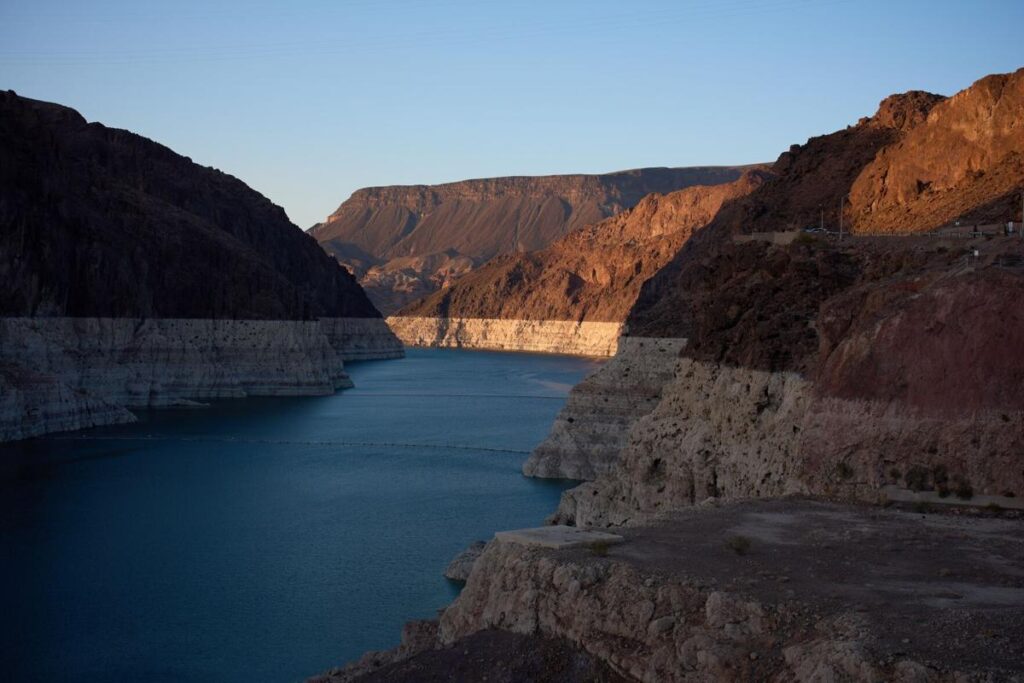
The Colorado River provides drinking water to roughly 40 million people, irrigates about 5.5 million acres of farmland, and supports major industries, hydroelectric power generation and rapidly growing metropolitan areas across the American Southwest. However, climate change, prolonged drought and decades of over-allocation have reduced the river’s average flow by roughly 20% over the past century, placing enormous pressure on reservoirs such as Lake Mead and Lake Powell, which have fallen to historically low levels.
Under the proposed framework, Arizona, California and Nevada could collectively lose up to 3 million acre-feet of water annually through 2036. The reductions would be adjusted every two years depending on snowpack, runoff and reservoir conditions, giving federal officials flexibility to respond to changing hydrological conditions rather than relying on fixed annual allocations. The goal is to maintain enough water in Lake Mead and Lake Powell to continue delivering water downstream while preserving hydroelectric generation at Hoover and Glen Canyon dams.
Arizona is expected to absorb the largest reductions because of its lower priority under the Colorado River Compact and subsequent agreements. State officials have strongly criticized the proposal, arguing that the burden falls disproportionately on Arizona while leaving Upper Basin states—Colorado, Utah, Wyoming and New Mexico—largely exempt from mandatory cuts. Those states argue they already receive less water because shrinking snowpack and declining runoff naturally limit how much they can use.
California acknowledged that the proposal represents meaningful progress but emphasized that implementation details remain unresolved. Nevada similarly described the cuts as severe but recognized that significant conservation measures are unavoidable if the river system is to remain functional over the coming decades. Federal officials hope the proposal can encourage compromise after years of unsuccessful negotiations among the seven basin states.
The consequences extend well beyond household water supplies. Agriculture consumes the majority of Colorado River water, meaning farmers may have to reduce irrigation, shift toward less water-intensive crops or temporarily leave fields unplanted. Cities are expected to increase investment in water recycling, conservation technologies, groundwater storage and desalination projects to offset declining river supplies. Water agencies are also preparing for higher infrastructure costs as they adapt to a future with less reliable water availability.
Environmental advocates generally welcomed the proposal as a necessary acknowledgment of hydrological reality but warned that additional conservation measures will almost certainly be required if warming temperatures continue reducing river flows. Scientists increasingly argue that the Colorado River has entered a new long-term climate regime in which historical water allocations are no longer sustainable. They caution that temporary improvements from wet winters cannot reverse the broader trend of declining runoff caused by rising temperatures and persistent aridification.
The proposal will undergo further public review before federal officials issue a final decision. Legal challenges remain possible, particularly if states believe the burden of conservation has been distributed unfairly. Nevertheless, the plan represents one of the federal government’s strongest interventions in Colorado River management since the river’s allocation system was established more than a century ago.
In general, the proposal signals a historic shift in Western water policy. Rather than attempting to preserve outdated allocations, federal officials are acknowledging that climate change has fundamentally altered the Colorado River’s future. The success of the plan will depend on whether the basin states can cooperate on difficult compromises that balance agriculture, cities, ecosystems and economic growth while adapting to a permanently drier Southwest.