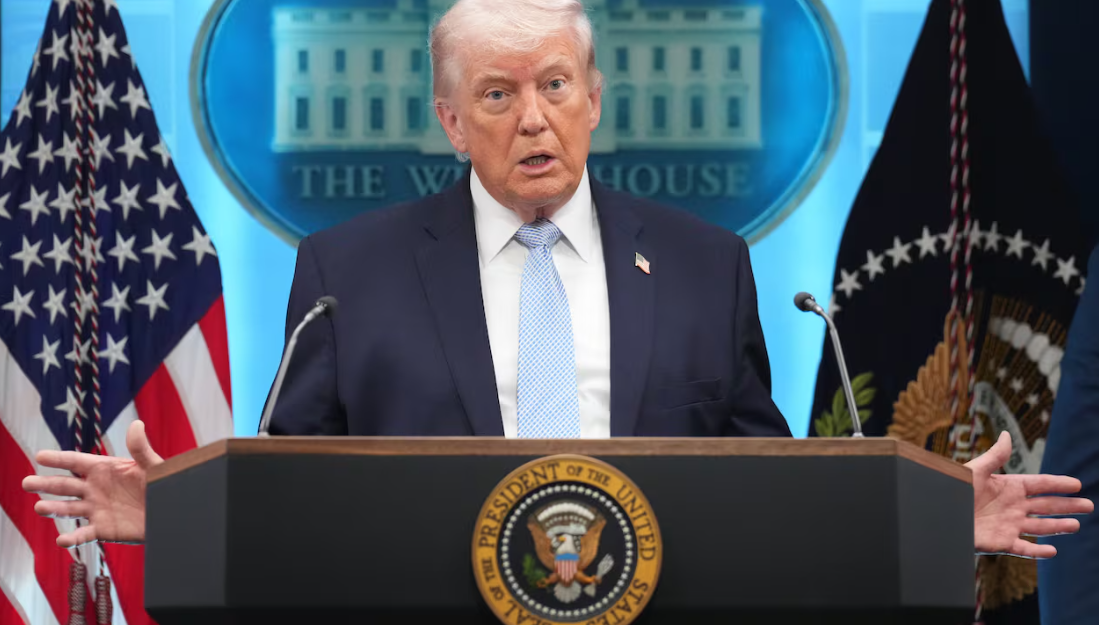
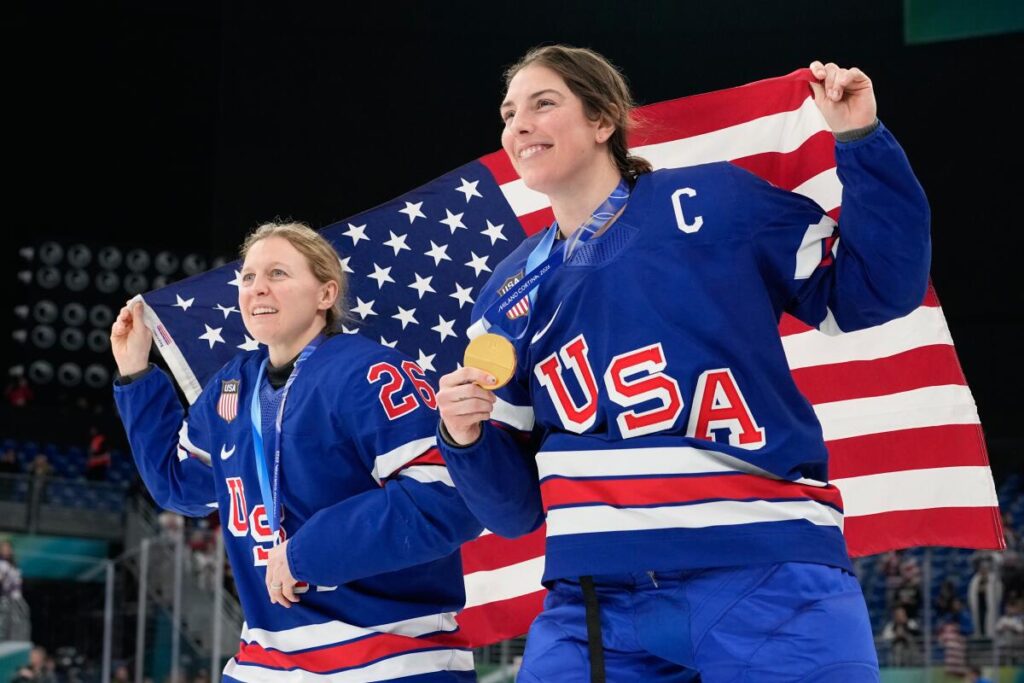
After winning Olympic gold in Milano-Cortina, the U.S. women’s ice hockey team found itself at the center of a culture-and-politics crossover that quickly spilled beyond sports. The team declined an invitation to attend President Donald Trump’s State of the Union address, and soon after, rapper and Public Enemy co-founder Flavor Flav stepped in with an alternative: a public offer to host the team in Las Vegas for what he called a “real celebration.”
Flav’s offer was both a celebratory gesture and a response to the optics surrounding the White House invitation. Trump had invited the U.S. men’s hockey team (also gold medalists) and indicated he would invite the women as well, joking that failing to do so could get him “impeached.” The women ultimately did not attend the address, Flav then extended his Vegas invitation—promising dinners, shows, and a memorable experience if the athletes accepted.
Flav amplified his pitch by sharing what appeared to be a formal email invitation on social media, positioning the trip as a high-energy, athlete-first celebration rather than a political event. The tone was consistent with his recent role as a very visible supporter of Team USA athletes, particularly women’s teams that historically receive less attention and fewer sponsorship dollars. He has acted as an “official hype man” for U.S. bobsleigh and skeleton teams, and he was prominently associated with supporting U.S. women’s water polo as well.
The story’s subtext is about recognition: who gets celebrated, how, and on whose terms. By declining the State of the Union invitation, the women’s team signaled that post-Games schedules—academic and professional commitments—took priority over a high-profile appearance. Flav’s counter-invite, meanwhile, reframed the moment as a chance to honor their achievement without tying it to Washington or partisan optics.
Women hockey remains one of the most watched and emotionally charged Olympic events in the U.S., especially given its rivalry with Canada. When the U.S. wins gold, it’s a major national sports story—but the afterglow can still be uneven compared with men’s sports in attention, sponsorship, and ceremonial treatment. Flav’s invitation implicitly addresses that imbalance, offering a headline-grabbing celebration that centers the athletes.