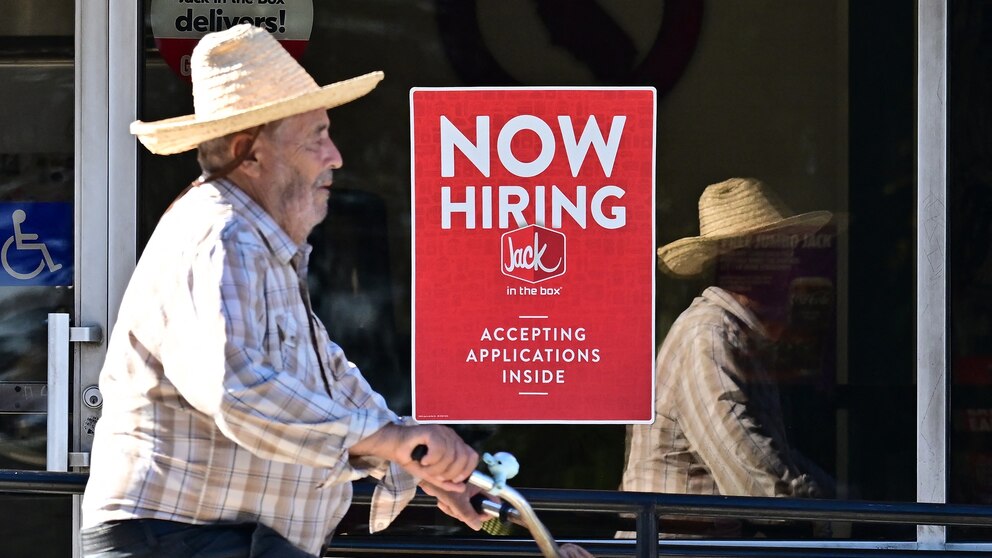
The US labor market started 2026 on a firmer footing than many forecasters expected. The January employment report from the U.S. Bureau of Labor Statistics (BLS) showed total nonfarm payrolls rising by 130,000—well above the roughly 70,000 increase economists were projecting. The unemployment rate dipped to 4.3% from 4.4% in December, suggesting that joblessness is not currently moving sharply higher and that the economy is still absorbing workers.
The mix of hiring was concentrated in a few sectors. Job gains were strongest in health care, social assistance, and construction. Health care added 82,000 jobs, with increases spread across ambulatory health services (+50,000), hospitals (+18,000), and nursing and residential care facilities (+13,000). Social assistance rose by 42,000, mainly in individual and family services (+38,000). Construction added 33,000 positions, driven by nonresidential specialty trade contractors (+25,000). Offsetting some of that strength, federal government employment fell by 34,000 as workers who accepted a deferred resignation offer in 2025 came off payrolls. Financial activities also declined by 22,000, and BLS noted the sector was down 49,000 jobs since a peak in May 2025.
Wages continued to rise at a steady pace. Average hourly earnings for all employees on private nonfarm payrolls rose 0.4% in January to $37.17, leaving pay up 3.7% over the past 12 months. That combination—moderate hiring plus ongoing income growth—points to a labor market that is still supporting consumer spending, even if it is no longer booming.
Several caveats help explain why January looked like an upside surprise. Reuters noted that seasonal adjustment dynamics likely boosted the headline number: retailers and delivery companies hired fewer holiday workers than usual late last year, which meant there were fewer typical post-holiday layoffs in January after the data were seasonally adjusted. The report itself was released later than scheduled because a brief federal government shutdown delayed publication. Reuters also reported that, beginning with the January data, the BLS updated its “birth-and-death” model (used to estimate jobs created or lost by business openings and closings), and economists estimated the change could trim measured payroll growth by up to about 50,000 jobs relative to recent months.
The January bounce comes after a softer 2025 trend. The BLS said payroll employment “changed little” in 2025, averaging only about 15,000 jobs per month. The Guardian reported that annual revisions reduced total 2025 job gains substantially versus earlier estimates, strengthening the view that the labor market cooled notably even before January’s rebound.
For markets and policymakers, the implications are mixed but important. A better-than-expected payroll gain and steady wage growth can reduce the urgency for near-term interest-rate cuts, and investors quickly adjusted; the Financial Times reported that Treasury yields rose and expectations for rate cuts were pared back after the release. At the same time, the sector concentration of hiring—mainly in health and social services—and the drag from government and finance job losses suggest overall momentum remains modest. The result is a classic “wait-and-see” setup: strong enough to avoid recession talk, but not strong enough to declare that the labor market has fully regained its earlier pace.