Historic Wildfires Push the Pacific Northwest Into a New Era of Extreme Fire Risk
· 2 min read
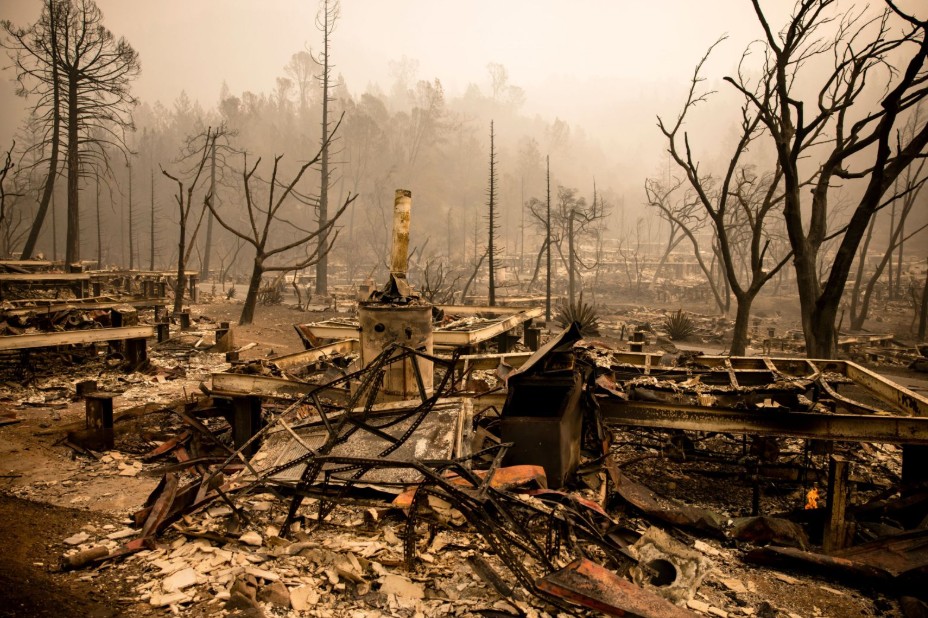
The Pacific Northwest is confronting one of the most destructive wildfire seasons in its history, as extreme heat, drought and unusually dry vegetation transform large areas of Washington and Oregon into landscapes increasingly vulnerable to fast-moving fires. More than 2.9 million acres have already burned across the two states in 2026. Oregon has recorded more burned acreage than in any previous year on record, while Washington is experiencing its most destructive fire season.
The devastation has been particularly severe around Spokane, Washington, where several major fires swept through communities and destroyed or damaged at least 846 structures. Thousands of residents were forced to evacuate as flames moved rapidly through neighborhoods. The Old Trails fire was among the most destructive, and authorities have taken a man into custody in connection with its possible deliberate ignition.
Conditions leading to the crisis developed well before the largest fires erupted. An exceptionally hot and dry July left vegetation severely dehydrated, while parts of Washington and Oregon received only a fraction of their normal rainfall. During one 10-day period in July, more than 600 fires ignited, many sparked by lightning and accelerated by powerful winds. Some burned in areas where snow would normally still have been present during mid-July.
The crisis extends far beyond the Pacific Northwest. By early August, more than 6.3 million acres had burned nationwide in 2026, while firefighters had responded to more than 45,800 fires. At one point, 100 new fires erupted across the country in a single day, demonstrating the extraordinary pressure being placed on emergency resources.
Scientists warn that climate change is making these conditions increasingly dangerous by raising temperatures, drying vegetation and extending the period during which landscapes can support major fires. Instead of wildfire danger being confined to a relatively predictable season, communities now face longer windows in which heat, drought, wind and ignition can combine to produce catastrophic events.
The immediate outlook remains troubling. Significant wildfire potential across the Northwest is expected to continue through September, while rainfall may remain below normal into November. A potentially very strong El Niño could further increase risks because the climate pattern generally produces hotter and drier conditions in Oregon and Washington during winter.
Another major concern is the growing pressure on firefighters. The United States reached preparedness level 5, the highest national wildfire readiness level, meaning firefighting resources were already heavily committed. Fire crews are facing longer deployments, dangerous conditions and difficult decisions about which fires can receive immediate resources. Seven wildland firefighters had reportedly died in the line of duty during the summer.
Experts increasingly argue that firefighting alone cannot solve the problem. Federal statistics indicate that roughly 98% of fires are suppressed before reaching 100 acres, yet the small percentage that escape containment can become enormous disasters under extreme conditions. Expanding firefighting capacity, improving forest and community resilience, and addressing the climatic conditions intensifying wildfire behavior will all be necessary.
The 2026 wildfire season therefore represents more than another destructive summer. It is a warning that the Pacific Northwest may be entering a period in which catastrophic fires become more frequent, more difficult to contain and increasingly capable of reaching communities once considered relatively protected from such disasters.