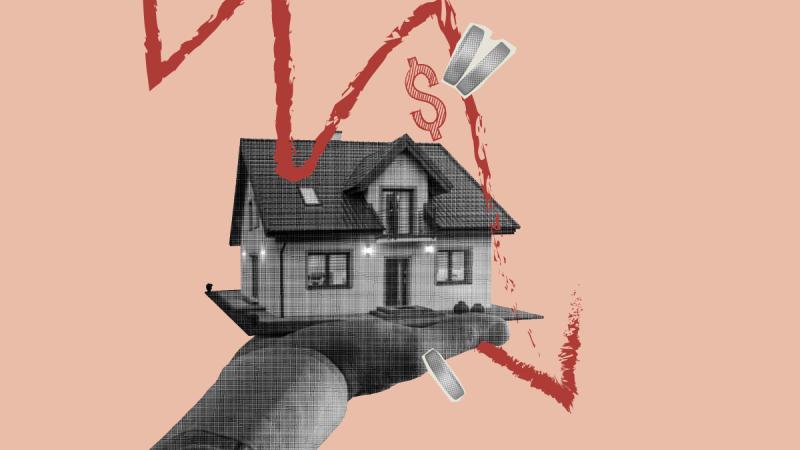
A new rate snapshot from Bankrate shows U.S. mortgage borrowing costs edging down again, pushing the market to levels not seen since 2022. In the outlet’s weekly lender survey dated February 11, 2026, the average 30-year fixed mortgage rate fell to 6.16%, down from 6.23% the prior week. The decline is modest, but meaningful: for borrowers watching every fraction of a point, it signals that the broad trend has improved compared with last year’s highs.
The same survey puts the 15-year fixed rate at 5.50% and the 30-year jumbo rate at 6.33%. The 30-year loans in the sample also carried an average of 0.35 discount and origination points, a reminder that “rate shopping” isn’t only about the headline percentage—fees and points can materially change the true cost of a loan.
The article ties these figures to affordability with a concrete example using national income and home-price benchmarks. It cites the U.S. Department of Housing and Urban Development for a 2025 national median family income of $104,200 and the National Association of Realtors for a December 2025 median existing-home sale price of $405,400. With a 20% down payment and a 6.16% rate, the monthly principal-and-interest payment would be about $1,978, or roughly 23% of a typical family’s monthly income—a level the piece frames as manageable relative to recent months, even if still elevated versus the pre-pandemic era.
There are also early signs that price pressures may be easing in some places. The article notes that Zillow reported price declines in half of the 50 largest metro areas over the past year, and it quotes One Real Mortgage CEO Samir Dedhia saying the combination of more inventory and stabilizing prices could create a more favorable window for buyers and refinancers.
Looking ahead, the analysis argues that the next big driver is policy and macro data rather than day-to-day market noise. It says the Federal Reserve held its benchmark rate steady recently, and suggests that stronger-than-expected labor data released Feb. 11 could reduce the odds of multiple rate cuts in 2026. Still, the piece includes the view that a cut remains possible in the first half of the year if inflation cooperates.
There was an unusual intervention: President Trump’s announcement that he directed Fannie Mae and Freddie Mac to purchase $200 billion in mortgage-backed securities, which briefly coincided with rates moving lower after a post on Truth Social. A Middle Tennessee State University professor cited in the piece cautions the impact may be temporary without broader coordination. The takeaway: rates may drift a bit lower, but the market’s consensus remains that they will hover around 6% for much of 2026 and 2027.