New Mexico Launches Major Quantum and AI Workforce Initiative as Sandia National Laboratories Partners With CNM to Create High-Paying Technology Careers
· 2 min read
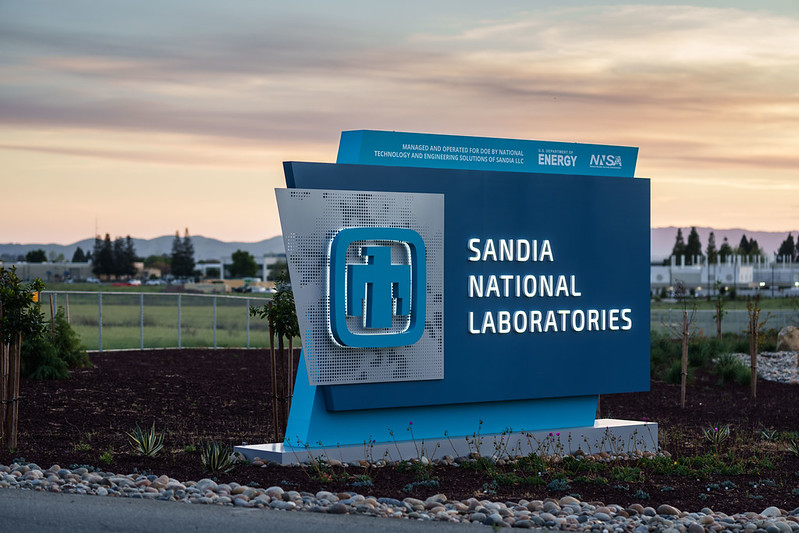
New Mexico is strengthening its position in America’s emerging technology economy through a new partnership between Central New Mexico Community College (CNM) and Sandia National Laboratories.
The institutions signed a memorandum of understanding on November 19, 2026, to expand technical education, develop skilled workers and create career opportunities in quantum computing, artificial intelligence, robotics and advanced manufacturing.
The agreement reflects growing demand for specialized technicians capable of supporting technological innovation, national security and industrial development.
The agreement was signed at the Sandia Science & Technology Park in Albuquerque. Under its terms, CNM becomes a preferred regional partner for Sandia’s technician-level workforce development.
The institutions intend to expand training programs, develop internships and apprenticeships, and explore research collaborations involving quantum science, artificial intelligence and advanced manufacturing.
Sandia specialists will also help review educational programs to ensure students acquire skills relevant to current industry requirements.
The partnership aims to connect scientific research with practical technical education. The initiative builds on CNM’s participation in the Center for Advanced Manufacturing and Innovation, known as the CAMINO Collaborative.
This public-private initiative connects educational institutions, industry partners and national laboratories to strengthen New Mexico’s manufacturing economy. CNM previously committed to establishing a workforce development facility at the Sandia Science & Technology Park.
In November, voters approved Higher Education Bond 3, providing $15 million toward construction of the facility. The planned center could expand access to specialized equipment, practical instruction and industry partnerships.
One of the partnership’s most promising existing programs is CNM’s Quantum Technician Bootcamp. Launched in September 2025 with Sandia’s support, the intensive 10-week course prepares participants to build, operate and maintain equipment used in quantum technologies.
Unlike traditional university programs, the bootcamp requires no previous technical experience or academic prerequisites. Eligible participants may receive state financial assistance covering the full cost of training.
According to CNM, graduates have obtained entry-level positions with salaries around $80,000 annually. Employers include quantum technology companies Quantinuum and Qunnect, Sandia National Laboratories and the U.S. Space Force. These results demonstrate the potential of shorter, career-focused educational programs.
The agreement covers several additional fields, including robotics, automation, digital engineering, artificial intelligence and systems integration. These technologies are becoming increasingly important to American manufacturing and national security.
Skilled technicians are essential for installing, testing, operating and maintaining sophisticated equipment.
Without an adequately trained workforce, promising scientific discoveries may struggle to reach commercial production. The partnership seeks to address that challenge by developing practical skills alongside research expertise.
Beyond education, the initiative could strengthen New Mexico’s entrepreneurial ecosystem. CNM and Sandia plan to promote technology transfer opportunities and connect startups with business development resources.
The partners may also explore sharing unclassified facilities and equipment. These activities could help emerging companies develop prototypes, improve manufacturing processes and commercialize new technologies.
A stronger technical workforce may also encourage additional technology businesses to establish operations in Albuquerque. The partnership emphasizes educational opportunities for high school students, adult learners, military veterans, displaced workers and underserved communities.
Outreach will also target rural areas and tribal and pueblo communities. Training programs will offer pathways toward additional certificates and professional credentials, allowing workers to continue developing their skills.
The agreement demonstrates how community colleges and federal research laboratories can collaborate to address national workforce shortages.
Rather than focusing exclusively on advanced university degrees, the initiative recognizes the importance of accessible, hands-on technical education.