Taiwan Turns Its Chip Dominance Into Diplomatic Power as Allies Seek a Share of the AI Boom
· 4 min read
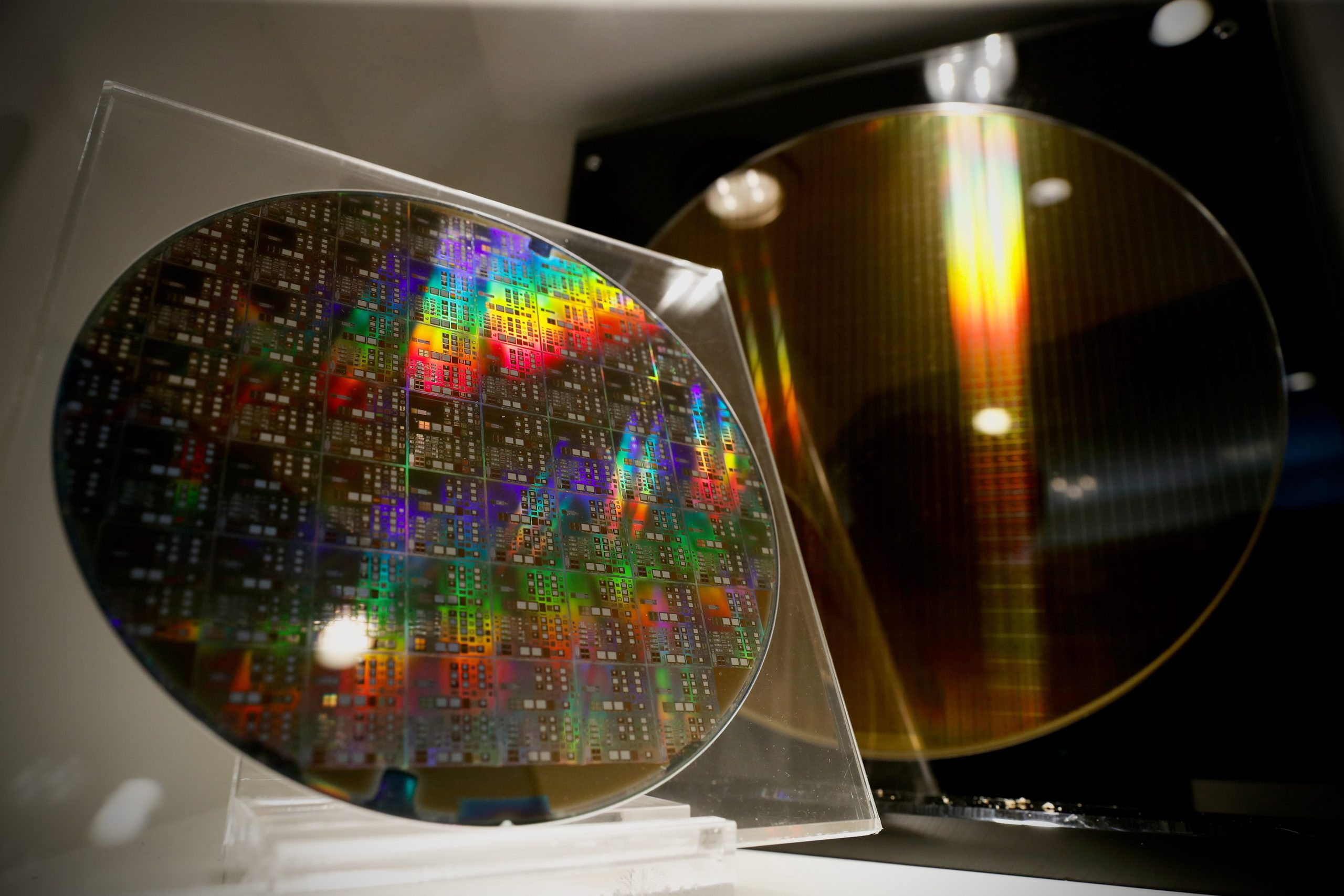
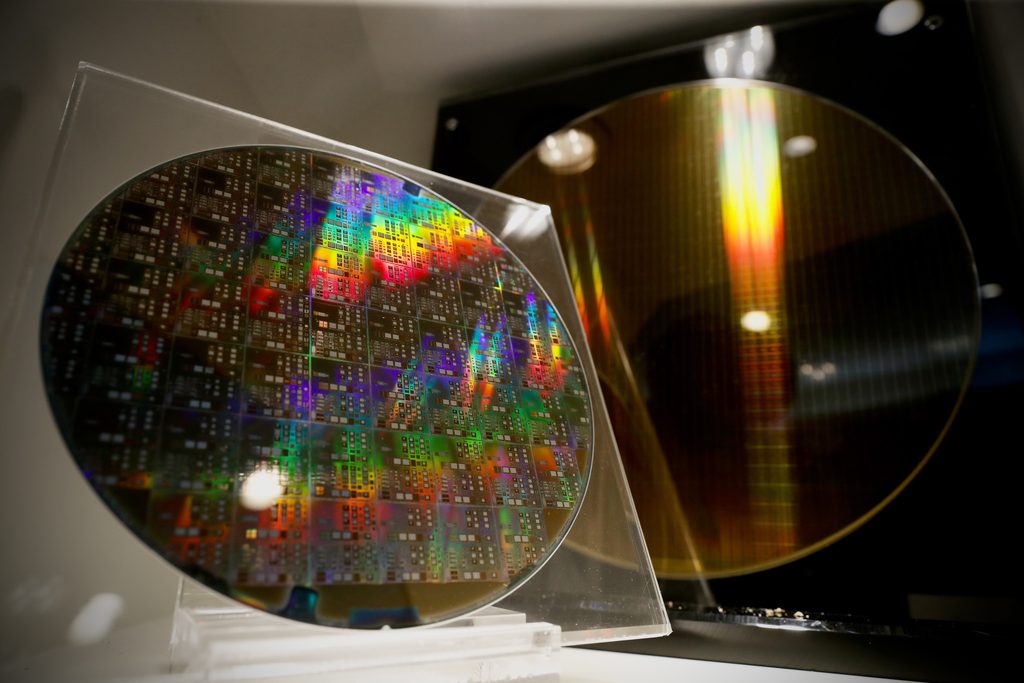
Taiwan is increasingly using its extraordinary dominance of the global semiconductor industry as a form of economic and diplomatic power, presenting itself as an indispensable democratic partner in the artificial-intelligence revolution while responding to growing pressure from the United States and Europe to move more chip production overseas.
The strategy was on full display at the SEMICON Taiwan trade show, where government officials and executives emphasized that Taiwan’s technological importance extends far beyond its borders. The island is home to Taiwan Semiconductor Manufacturing Co., better known as TSMC, the world’s leading producer of advanced semiconductors and a critical supplier of the chips powering AI systems.
For Taiwan, this technological leadership carries enormous geopolitical value.
Beijing claims Taiwan as part of China and has not renounced the possibility of using force to bring the island under its control. Taiwan, which rejects Beijing’s sovereignty claims, has relatively few formal diplomatic allies. Its semiconductor industry consequently provides something traditional diplomacy often cannot: powerful economic reasons for major countries to care about Taiwan’s security and stability.
President Lai Ching-te used appearances at SEMICON to argue that Taiwan’s semiconductor ecosystem is built around democracy and the rule of law. He said Taiwanese companies are expanding internationally to create greater resilience and “shared prosperity,” effectively presenting Taiwan as a trusted technological partner for countries seeking secure AI supply chains.
But Taiwan’s success has created a delicate problem.
Its allies increasingly want a larger portion of the semiconductor industry located within their own borders.
The United States has been particularly aggressive. TSMC is investing approximately $265 billion in manufacturing facilities in Arizona, one of the largest foreign investments in American history. Taiwanese companies are planning another $20 billion in U.S. investments following a trade agreement under which Taiwan increased American investment commitments in exchange for reduced tariffs.
Washington is simultaneously threatening semiconductor tariffs against companies that fail to manufacture enough chips inside the United States.
That creates an uncomfortable balancing act for Taipei. Taiwan wants to strengthen economic relationships with Washington while preserving the enormous industrial ecosystem that makes the island strategically important.
Taiwanese executives increasingly acknowledge that globalization is unavoidable.
Foxconn Chairman Young Liu, whose company is Nvidia’s largest AI-server manufacturer, argued that companies must shift their thinking from manufacturing “in Taiwan” toward manufacturing “with Taiwan” wherever their major markets are located.
Tien Wu, chief operating officer of ASE, the world’s largest semiconductor packaging and testing company, went further, saying expanding internationally is politically necessary and that Taiwanese companies effectively have little choice.
Europe wants a share of the expansion as well.
The European Union sent senior officials to SEMICON Taiwan to promote its upcoming Chips Act 2.0 and encourage Taiwanese semiconductor companies to invest more heavily in Europe. European governments increasingly view advanced semiconductor manufacturing as strategically essential for economic security, defense and AI development.
Taiwan sees an opportunity in those demands.
Rather than treating overseas investment exclusively as a threat to its domestic semiconductor dominance, Taipei is attempting to convert expansion into stronger political relationships with democratic partners. Investment in American and European factories can deepen economic dependence on Taiwanese companies and create powerful constituencies abroad interested in maintaining close relations with the island.
Taiwanese officials are deliberately connecting technology with shared political values.
Deputy Foreign Minister Francois Wu, speaking at the French pavilion during SEMICON, emphasized Taiwan and France’s commitments to democracy, freedom and a rules-based international order. He said Taiwan uses technology to connect with the world rather than control it.
The strategy is becoming increasingly important as artificial intelligence dramatically increases demand for advanced chips. TSMC manufactures processors for many of the world’s most important technology companies, placing Taiwan near the center of an AI investment boom reshaping the global economy.
But diversification also contains a strategic paradox.
For decades, analysts have discussed Taiwan’s semiconductor dominance as a “silicon shield”—the idea that the global economy’s dependence on Taiwanese chips increases the international cost of conflict and therefore strengthens incentives to protect the island.
Moving substantial production abroad could theoretically weaken that protection.
Taiwan is therefore trying to achieve something extremely difficult: share enough of its semiconductor wealth to strengthen alliances without exporting so much of its technological ecosystem that it loses the strategic importance those alliances are built around.
The transformation represents a new phase in Taiwan’s diplomacy. Instead of relying solely on formal diplomatic recognition, the island is using factories, supply chains, AI infrastructure and technological expertise to embed itself more deeply within the economies of powerful democratic partners.
As competition over artificial intelligence intensifies, Taiwan’s chips have become much more than valuable exports. They are increasingly one of the island’s most powerful instruments for securing international influence, economic partnerships and ultimately its own geopolitical security.