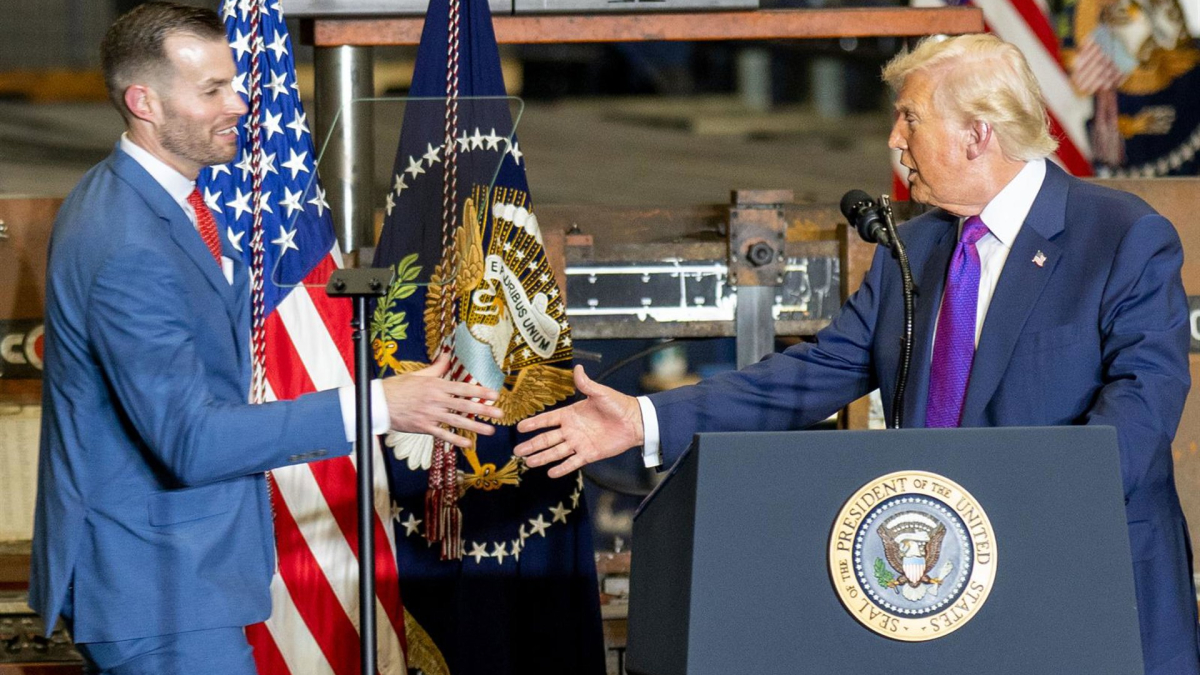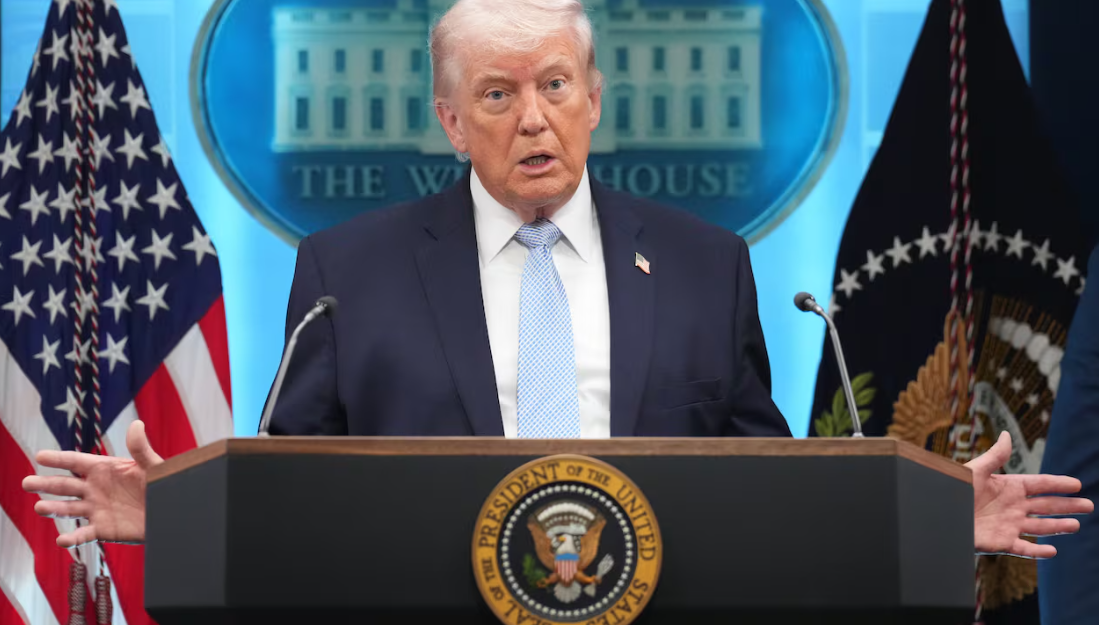
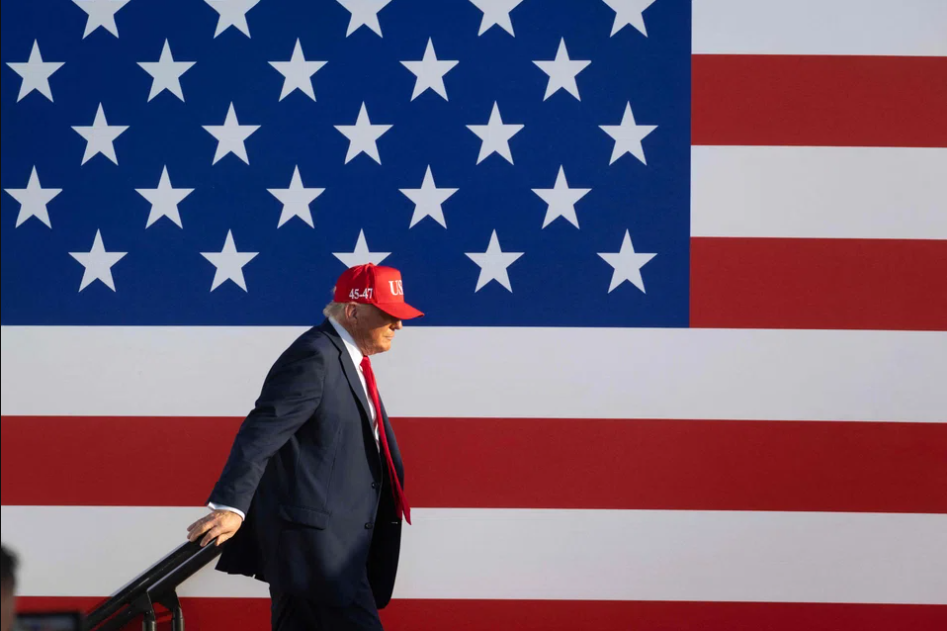
President Donald Trump is traveling to Corpus Christi, Texas, to promote his economic and energy agenda at a moment when his political influence is being tested by competitive Republican primary races and early warning signs ahead of the 2026 midterms. The trip is designed to highlight Trump’s push for expanded fossil-fuel production—his “drill, baby, drill” platform—while placing him in a region where several political and policy themes intersect: energy exports, Hispanic voter dynamics, and intra-GOP rivalries that could reshape November’s battlefield.
Corpus Christi is not just a backdrop—it’s a strategic choice. The city is a major U.S. hub for liquefied natural gas (LNG) exports, making it an ideal stage for Trump to argue that higher oil-and-gas output strengthens the economy, supports jobs, and boosts U.S. leverage abroad. By tying his economic message to the energy industry, Trump is leaning on a sector where Republican arguments about growth, national security, and industrial strength tend to resonate—particularly in Texas.
The trip also comes as Republicans wrestle with signs that Trump endorsements don’t guarantee wins. It follows concerns raised by some Republicans after recent electoral losses despite his backing, prompting questions about whether his “kingmaker” status is as dominant as it once was. That uncertainty matters in Texas, where primary contests can be fiercely ideological and where a crowded field can dilute establishment power.
Trump’s role in the state’s most closely watched race is complicated. He has remained neutral in a high-stakes Republican Senate primary featuring incumbent Sen. John Cornyn, Texas Attorney General Ken Paxton, and U.S. Rep. Wesley Hunt. The neutrality is notable because the Senate contest is both a proxy for the party’s direction and a potential risk: a bruising primary could weaken the eventual nominee for the general election. Instead of picking sides there (at least for now), Trump is expected to focus on boosting Republican House candidates.
South Texas is especially important because Hispanic voters could be decisive in competitive districts, and Republicans see opportunities to expand their coalition. Trump’s energy-centric economic pitch is partly aimed at reinforcing that appeal—framing fossil fuel production as a source of local jobs and national prosperity.
But Americans remain skeptical of Trump’s claim that the economy is “booming,” with cost-of-living concerns still dominant—an issue that could weigh on GOP candidates, including in Texas.
Overall, the Texas trip is both policy messaging and political triage: Trump is using an energy stronghold to showcase his economic brand while trying to steady Republican prospects in a state that still leans red—but where primaries, voter sentiment, and midterm math are making the terrain less predictable.