The future has always carried a degree of uncertainty, but one thing is no longer up for debate: it will be shaped by artificial intelligence. In just a few years, AI has moved from a specialized field into a defining force across industries, redefining how we work, communicate, create, and make decisions. It is no longer simply a tool, it is an active layer embedded in everyday life, influencing everything from enterprise operations to personal productivity. As these systems become more capable, they are also reshaping the way we think about knowledge, efficiency, and even human potential. What once felt like a distant technological promise is now a present reality, accelerating at a pace few could have predicted.
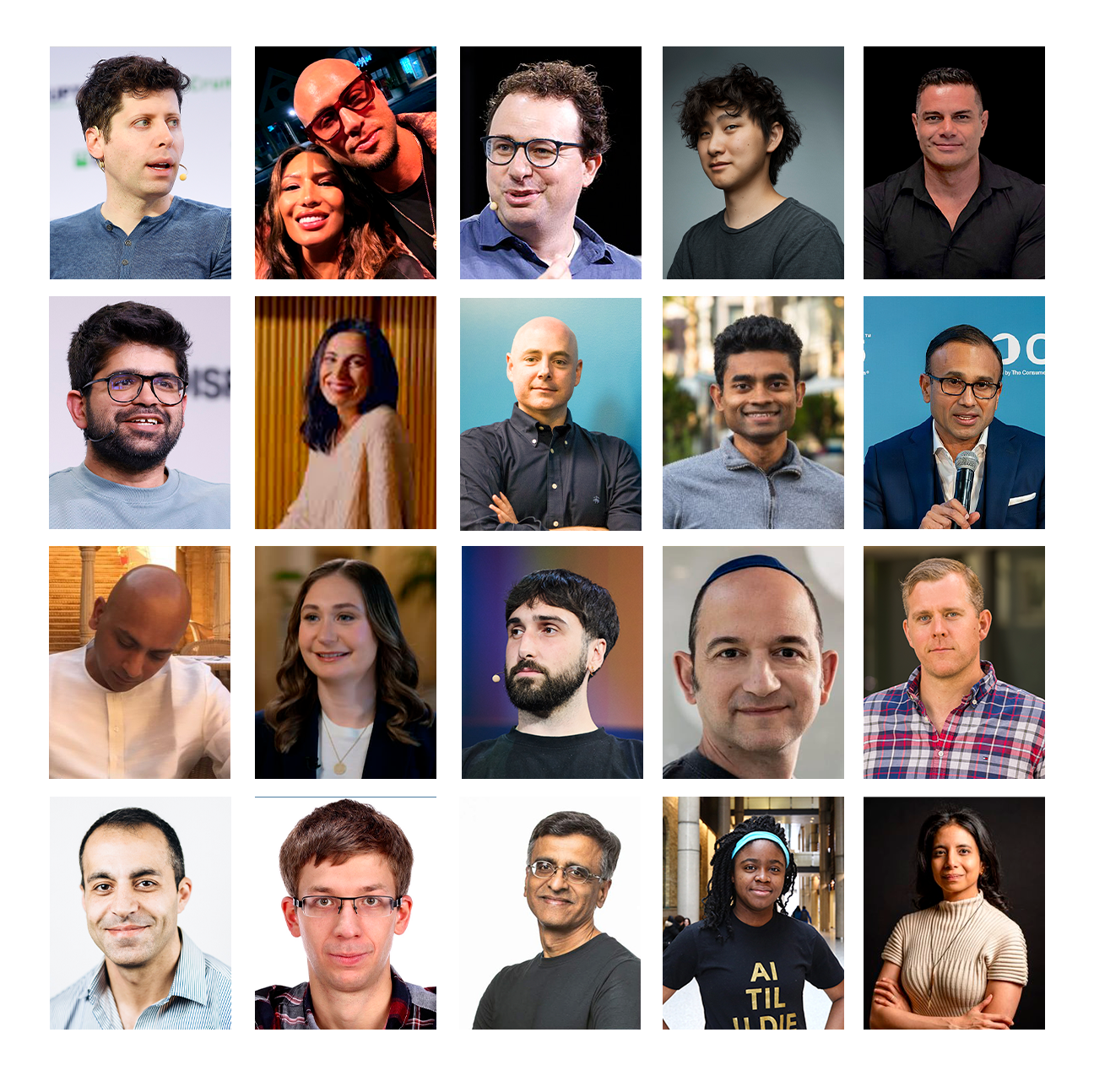
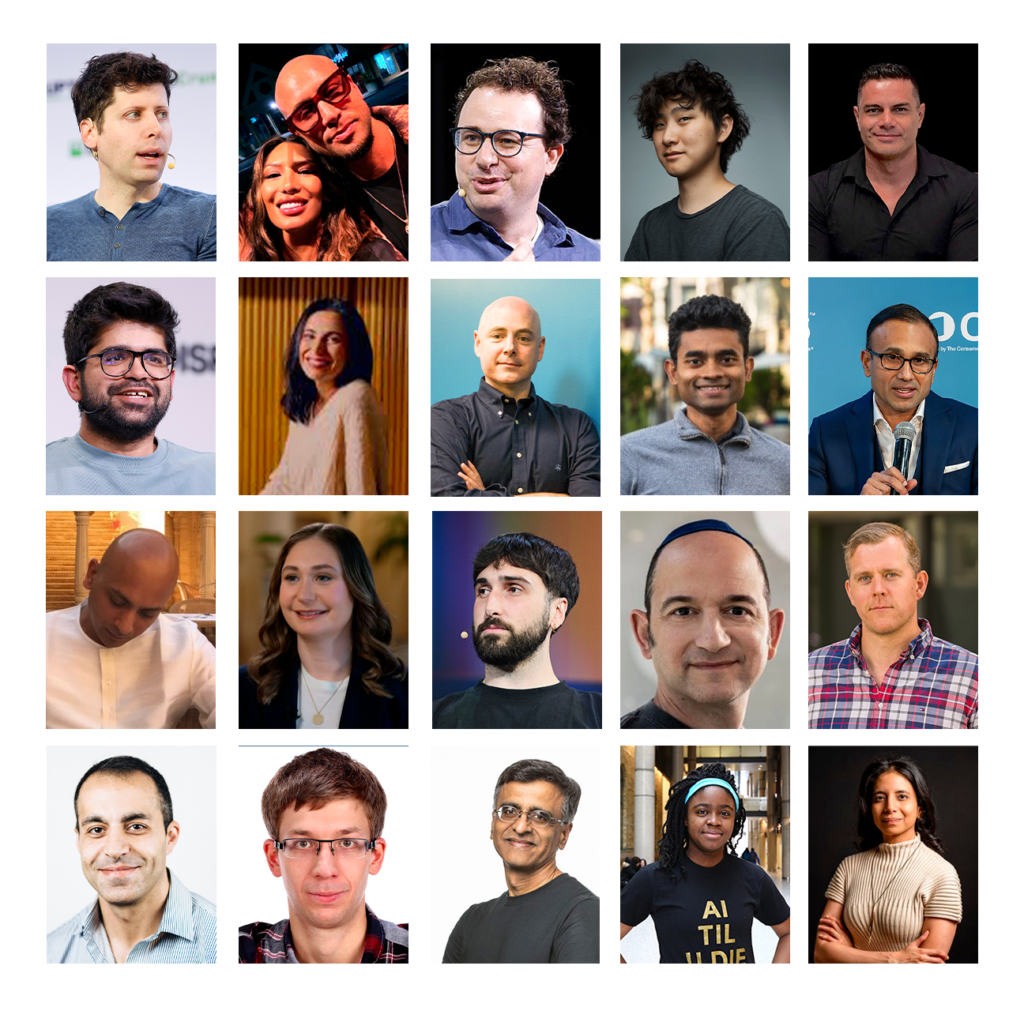
At the center of this transformation is a new generation of entrepreneurs building the infrastructure, platforms, and applications that will define the next decade. Some come from deep research backgrounds, others from product and business, but all share a common trait: the ability to translate complex technology into real-world impact. These founders aren’t just adapting to change, they’re the ones pushing it forward. The decisions they make today will influence how AI is built, how it’s used, and how deeply it becomes part of everyday life. Some are focused on tools for businesses, others on products people use daily, and many are working on the systems behind it all. Together, they’re helping shape a future that’s no longer theoretical. These are the AI entrepreneurs leading the charge in 2026.
Sam Altman

Sam Altman is one of the most influential entrepreneurs shaping the modern artificial intelligence landscape. As the cofounder and CEO of OpenAI, he has played a central role in transforming the company from a research-focused organization into a global leader in applied AI. Before OpenAI, Altman was widely known as the president of Y Combinator, where he helped scale and mentor hundreds of startups, influencing an entire generation of founders. His career reflects a rare combination of product intuition, strategic foresight, and the ability to identify inflection points in technology. At OpenAI, Altman has consistently advocated for making advanced AI systems broadly useful, while navigating the challenges of safety, governance, and scale. Under his leadership, the company has accelerated the adoption of generative AI across industries, from enterprise to consumer applications. Altman is also known for his long-term thinking around artificial general intelligence and its societal implications. His influence extends beyond company building—he has become a key voice in global discussions about the future of AI. In many ways, he represents a new class of entrepreneur: one who is not just building products, but helping define the trajectory of an entire technological era.
Chris and Aleyna Groves

Chris Groves and Aleyna Groves are the powerhouse husband-and-wife team behind Groves IQ, an AI-driven platform transforming one of the mortgage industry’s most frustrating and overlooked pain points: conditions management. Based in San Diego, the Groves are redefining how mortgage professionals handle document collection, communication, and loan progression by bringing speed, automation, and simplicity to a process that has traditionally been slow, manual, and riddled with inefficiencies.
What sets Aleyna and Chris apart is that they did not enter the space as outsiders chasing a trend. They built Groves IQ from firsthand experience inside the industry, with a deep understanding of the daily operational bottlenecks that mortgage professionals face. As CEO and Founder, Aleyna Groves leads the company with a rare combination of technical vision, customer empathy, and real-world industry expertise. She created Groves IQ not as a theoretical innovation, but as a practical solution to a problem she had personally lived. Under her leadership, the platform reduces a process that once took more than 30 steps into just three clicks, helping teams save time, reduce errors, and operate with far greater confidence.
As Chief Revenue Officer, Chris Groves brings more than 20 years of business development experience to the company’s growth strategy, partnerships, and market expansion. Together, the Groves have built a company that does more than automate tasks. Groves IQ works seamlessly in the background, integrating into existing workflows without requiring users to adopt bulky systems or disruptive processes. That ease of adoption has positioned the company as a standout solution in the underserved wholesale mortgage market.
The momentum behind Groves IQ is undeniable. With more than 1,500 mortgage professionals on the waitlist, pilot programs underway with major enterprise clients, key integrations in progress with leading loan origination systems, and a competitive seed round on the horizon, the company is rapidly emerging as a future infrastructure layer for the modern mortgage ecosystem.
But the Groves’ vision extends well beyond mortgage. They are building toward a broader AI-powered framework that will streamline title, escrow, and real estate, creating a more connected and efficient homebuying experience from end to end. Their entrepreneurial journey is a compelling example of what happens when deep domain expertise meets bold execution and purpose-driven innovation. Chris and Aleyna Groves are not just building a company; they are setting a new standard for how technology can empower industries, give professionals their time back, and create meaningful impact at scale.
Dario Amodei

Dario Amodei is the cofounder and CEO of Anthropic, a company at the forefront of developing reliable and interpretable AI systems. With a background in physics and extensive experience in machine learning research, Amodei has emerged as one of the leading figures in responsible AI development. Prior to founding Anthropic, he held senior roles at OpenAI, where he contributed to major advances in large-scale models. Anthropic was built around a clear thesis: that as AI systems become more powerful, their safety, alignment, and predictability must evolve in parallel. Under Amodei’s leadership, the company has focused on building systems designed to be more controllable and transparent, setting it apart in a competitive landscape. He is part of a cohort of founders who see AI not only as a commercial opportunity but as a foundational technology with long-term societal consequences. His public positions often emphasize the need for careful scaling and proactive governance. Amodei’s work continues to shape how both industry and policymakers think about the next generation of AI systems.
Alexandr Wang

Alexandr Wang is the founder of Scale AI, a company that has become a cornerstone of the artificial intelligence infrastructure stack. Founded in 2016, Scale AI focuses on data labeling, model evaluation, and the operational systems required to train high-performance AI models. Wang gained recognition early as one of the youngest self-made billionaires, but his significance lies more in how he identified a critical bottleneck in the AI ecosystem: high-quality data. Rather than competing directly in building end-user AI products, he focused on enabling the entire industry to function more effectively. Scale AI has worked with major technology companies, startups, and government agencies, positioning itself as a key partner in AI development. Wang’s approach reflects a broader trend among successful founders in the space—building foundational infrastructure rather than just applications. His career demonstrates a sharp ability to anticipate where value will concentrate in emerging technologies. As AI continues to scale, companies like Scale AI—and leaders like Wang—remain central to its evolution.
Hector Ortiz

Hector Ortiz is a Business Owner, AI Innovation Strategist, and systems-driven entrepreneur redefining how technology can elevate modern business. He operates from a clear conviction: talent is everywhere, but artificial intelligence, structure, and execution are what allow it to scale. His entrepreneurial journey began with a simple yet powerful observation — great ideas rarely fail because of lack of potential; they fail because they lack intelligent systems, operational discipline, and future-focused leadership. Determined to close that gap, Hector set out to build ventures where AI, precision, aesthetics, and purpose work together seamlessly.
From his digital infrastructure and innovation hub, vision-lab.mx, Hector develops AI-powered digital solutions designed to eliminate operational chaos for businesses and public institutions. From intelligent scheduling systems that reduce no-shows and improve client flow, to AI tools that listen, document, automate, and streamline day-to-day operations, his work sits at the intersection of innovation and human experience. Together with his partner, Elias Moya, Hector is helping organizations adopt practical AI in ways that are not only efficient, but deeply empathetic — proving that the future of technology is not colder systems, but smarter and more human-centered ones.
Through Ghost Pulse, his ultra-luxury apparel brand, Hector extends that same philosophy into design: building timeless, high-quality pieces that reflect authority, confidence, and intentionality. Every venture he leads is rooted in the same principle — excellence is engineered, not improvised.
For Hector, success means creating businesses that run with clarity, intelligence, and calm. He believes mindset drives 90% of business success, fear is often proof of growth, and true reputation is built in the unseen details. This philosophy of authority and intelligent design — which they document and share through @vision.lab.mx and @visionlabai — underscores that, in 2026, his approach to business is clear and uncompromising: integrate AI with purpose, elevate every detail, and build only what is designed to last.
Aravind Srinivas
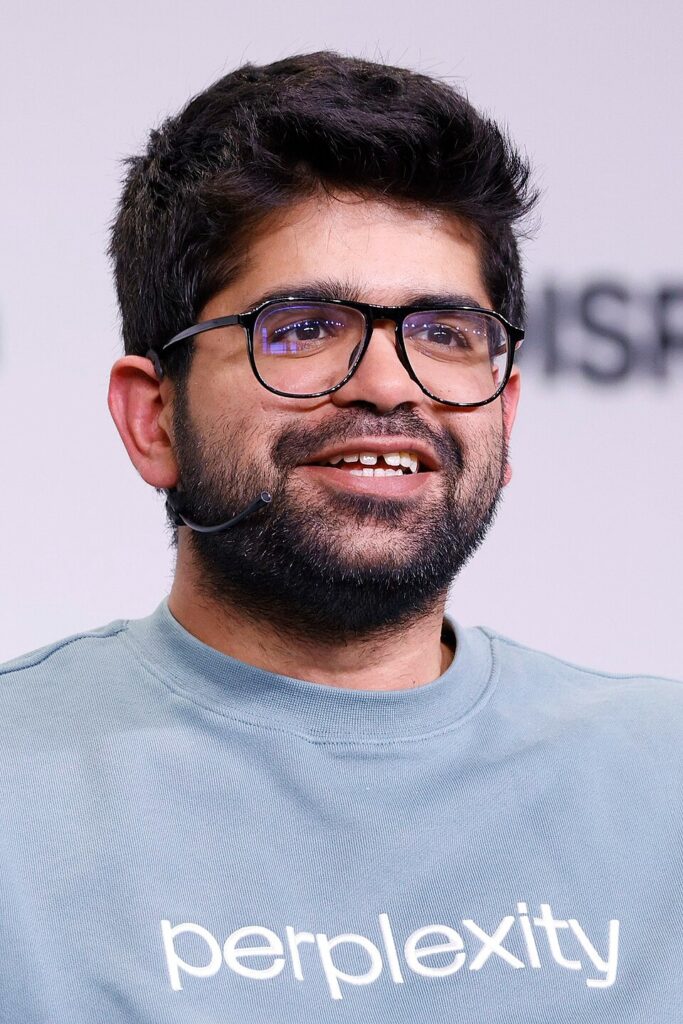
Aravind Srinivas is the cofounder and CEO of Perplexity, a startup rethinking how people search for and interact with information online. With prior experience at OpenAI, Google, and DeepMind, Srinivas brings a deep technical background to his role as a product-focused founder. Perplexity was launched with a clear vision: to combine the capabilities of large language models with real-time information retrieval, delivering answers that are both conversational and verifiable. The company has positioned itself as an alternative to traditional search engines by emphasizing transparency through cited sources. Srinivas represents a new generation of AI entrepreneurs who bridge research and product, translating cutting-edge models into usable tools. His work reflects a broader shift in the industry—from building impressive models to creating practical interfaces that solve everyday problems. Under his leadership, Perplexity has gained rapid traction among users seeking more efficient ways to access knowledge. His approach underscores a key insight: in AI, usability can be as important as capability.
May Habib

May Habib is the cofounder and CEO of Writer, a company focused on bringing generative AI into enterprise workflows. Her entrepreneurial journey did not begin with artificial intelligence, but with solving communication and language challenges for businesses. That foundation eventually led to the creation of Writer in 2020, as advances in AI opened new possibilities for content generation and automation. Habib has distinguished herself by focusing on practical applications rather than technical spectacle. Under her leadership, Writer has developed tools that help organizations maintain brand voice, improve productivity, and scale written communication. She represents a class of founders who prioritize real-world utility over hype, positioning AI as a tool for operational efficiency rather than novelty. Her strategic clarity has helped Writer gain traction among major enterprises navigating the adoption of AI technologies. In a crowded market, Habib’s emphasis on reliability, control, and integration has proven to be a strong differentiator.
Christopher Ré
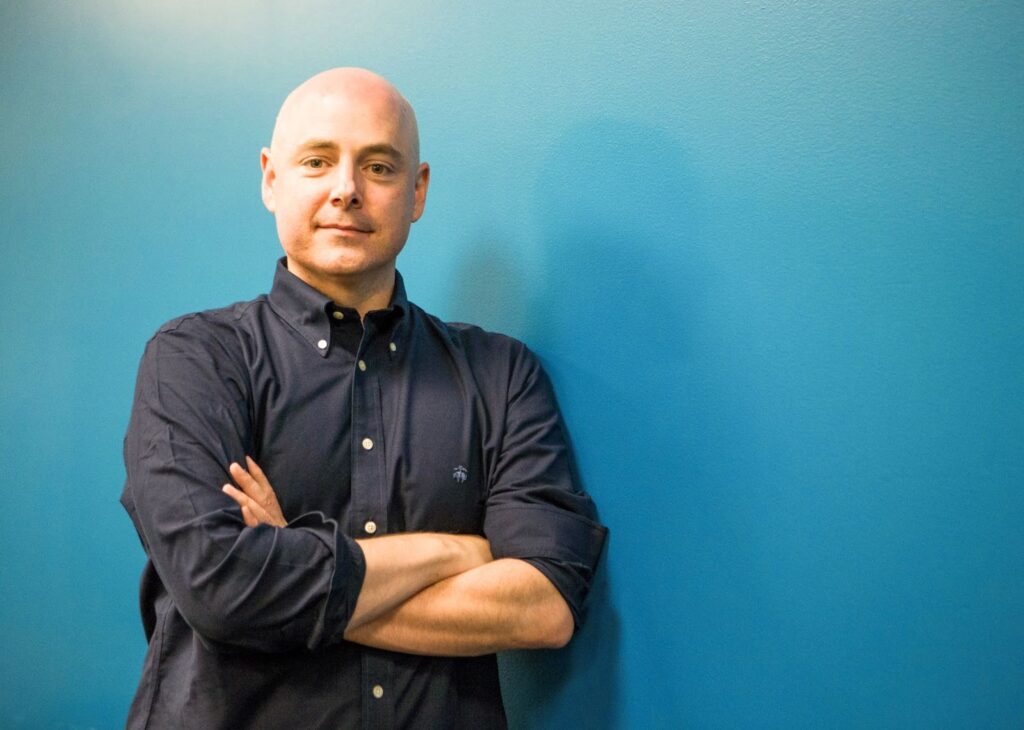
Christopher “Chris” Ré is the cofounder of Snorkel AI and a leading advocate of data-centric artificial intelligence. A professor at Stanford University and a member of the Stanford AI Lab, Ré has spent years exploring how data quality impacts model performance. His work challenges a widely held assumption in the field—that better models alone drive better outcomes. Instead, he argues that improving how data is created, labeled, and managed can yield significant gains. This philosophy became the foundation of Snorkel AI, a company that provides tools for programmatic data labeling and machine learning development. Ré’s transition from academia to entrepreneurship reflects a broader trend in AI, where research breakthroughs increasingly translate into commercial platforms. His influence extends beyond his company, shaping how engineers and organizations approach AI development. By shifting the focus from models to data, Ré has helped redefine a critical part of the machine learning pipeline.
Varun Mohan

Varun Mohan is the cofounder and CEO of Codeium, a company focused on building AI-powered tools for software development. His entrepreneurial path is marked by adaptability and persistence, as Codeium evolved through multiple iterations before finding strong product-market fit. The company ultimately positioned itself in the rapidly growing category of AI coding assistants, helping developers write, review, and optimize code more efficiently. Mohan’s leadership reflects a deep understanding of both technical systems and developer workflows. Rather than competing purely on model performance, Codeium focused on usability, integration, and accessibility. This strategic positioning allowed the company to gain traction in a highly competitive space. Mohan’s journey illustrates a broader truth about AI startups: success often depends less on initial ideas and more on the ability to iterate quickly. His work contributes to a larger transformation in how software is built, with AI increasingly embedded into the development process itself.
Munjal Shah
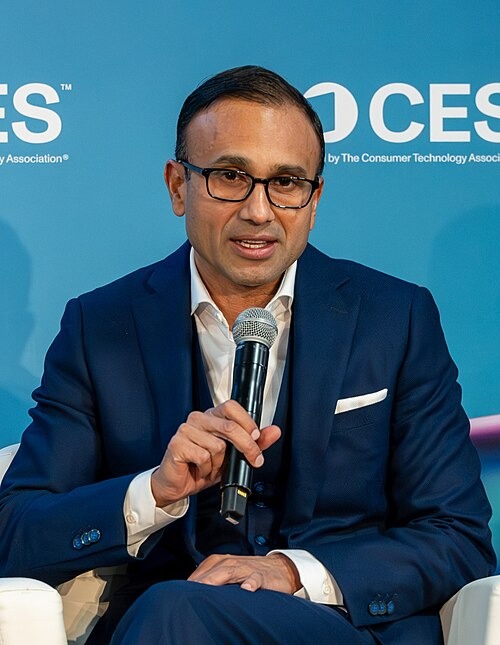
Munjal Shah is the cofounder and CEO of Hippocratic AI, a company developing large language models specifically for healthcare applications. A serial entrepreneur, Shah previously founded multiple startups in the machine learning and computer vision space, with several successful exits. His experience navigating both technical innovation and business execution positioned him well to enter one of the most complex domains for AI: healthcare. Hippocratic AI focuses on building systems that prioritize safety, reliability, and clinical relevance. Shah has emphasized that in healthcare, the margin for error is significantly smaller, requiring a fundamentally different approach to model development and deployment. His work reflects a growing trend of vertical AI companies tailored to specific industries. Rather than building general-purpose systems, Shah is focused on domain-specific intelligence with measurable impact. His career demonstrates how experienced founders can re-enter emerging markets with sharper strategy and clearer execution.
Vipul Ved Prakash

Vipul Ved Prakash is the cofounder and CEO of Together AI, a company focused on providing infrastructure for training and deploying AI models at scale. Before founding Together AI, Prakash had already built a successful entrepreneurial track record, including Topsy, a social analytics company acquired by Apple. His return to the startup world reflects a keen awareness of where value is being created in the AI ecosystem. With Together AI, he has focused on enabling developers and organizations to work with open-source models more efficiently. This approach aligns with a broader movement toward democratizing access to powerful AI tools. Rather than competing solely at the application layer, Prakash has concentrated on building the underlying systems that make AI development more accessible and scalable. His work highlights the importance of infrastructure in sustaining the growth of the AI industry. As demand for compute and model flexibility increases, companies like Together AI are becoming increasingly essential.
Daniela Amodei
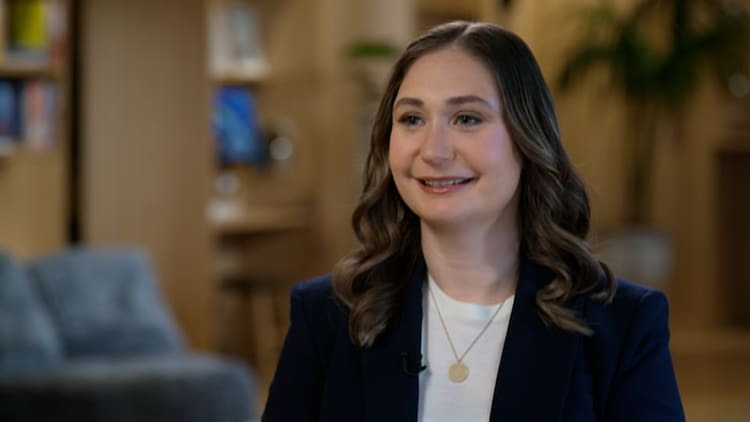
Daniela Amodei, cofounder and president of Anthropic, has been instrumental in building one of the most closely watched AI companies in the world. While her cofounder Dario Amodei is often associated with the technical direction of the company, Daniela has played a critical role in shaping its operational, organizational, and strategic foundation. Her leadership has been central to scaling Anthropic from an early-stage startup into a major player in the AI ecosystem. She has overseen key areas including hiring, partnerships, and company culture, all of which are essential in translating advanced research into a sustainable business. Daniela represents a growing group of executives in AI who understand that breakthrough technology alone is not enough—execution, governance, and structure are equally critical. Her work has helped position Anthropic as both a technical leader and a responsible actor in the space. In an industry often dominated by engineering narratives, her influence highlights the importance of strong operational leadership in building enduring AI companies.
Aidan Gomez
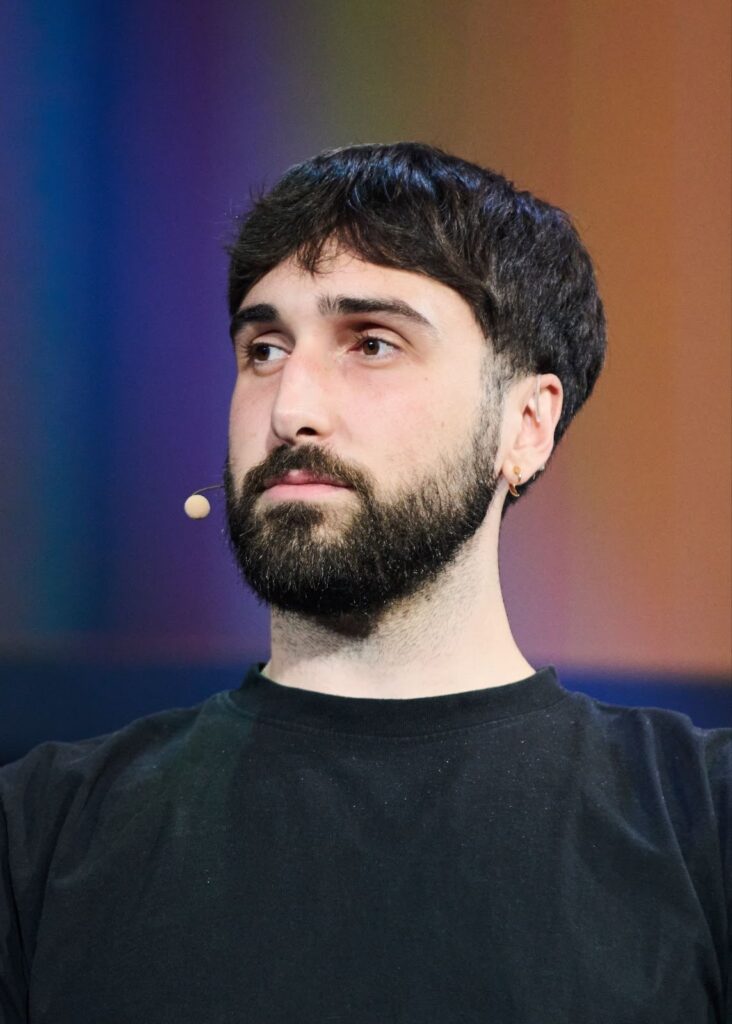
Aidan Gomez is the cofounder and CEO of Cohere, a company focused on providing large language models tailored for enterprise use. Before entering the startup world, Gomez was a researcher at Google Brain and one of the co-authors of the influential paper “Attention Is All You Need,” which introduced the transformer architecture that underpins modern AI systems. With Cohere, he has taken that foundational research and translated it into practical tools for businesses. The company differentiates itself by focusing on privacy, customization, and deployment flexibility, areas that are critical for enterprise adoption. Gomez represents a rare combination of deep technical contribution and entrepreneurial execution. His work reflects a broader trend in AI, where researchers are increasingly building companies to directly shape how their innovations are used. Under his leadership, Cohere has positioned itself as a serious competitor in the enterprise AI space. His trajectory highlights how academic breakthroughs can evolve into scalable commercial platforms.
Noam Shazeer

Noam Shazeer is the cofounder of Character.AI, a company exploring new forms of interaction between humans and AI through conversational agents. A former Google researcher, Shazeer also co-authored “Attention Is All You Need,” placing him among the key contributors to the transformer revolution. With Character.AI, he shifted focus from infrastructure and research to user-facing experiences. The platform allows users to interact with customizable AI personalities, opening new possibilities in entertainment, education, and communication. Shazeer’s work reflects a growing belief that AI’s next frontier lies not just in intelligence, but in interaction design. His entrepreneurial approach emphasizes creativity and engagement, rather than purely technical benchmarks. This shift toward personality-driven AI systems has resonated with a broad user base. Shazeer represents a category of founders who are redefining how people relate to machines in everyday contexts.
Douwe Kiela
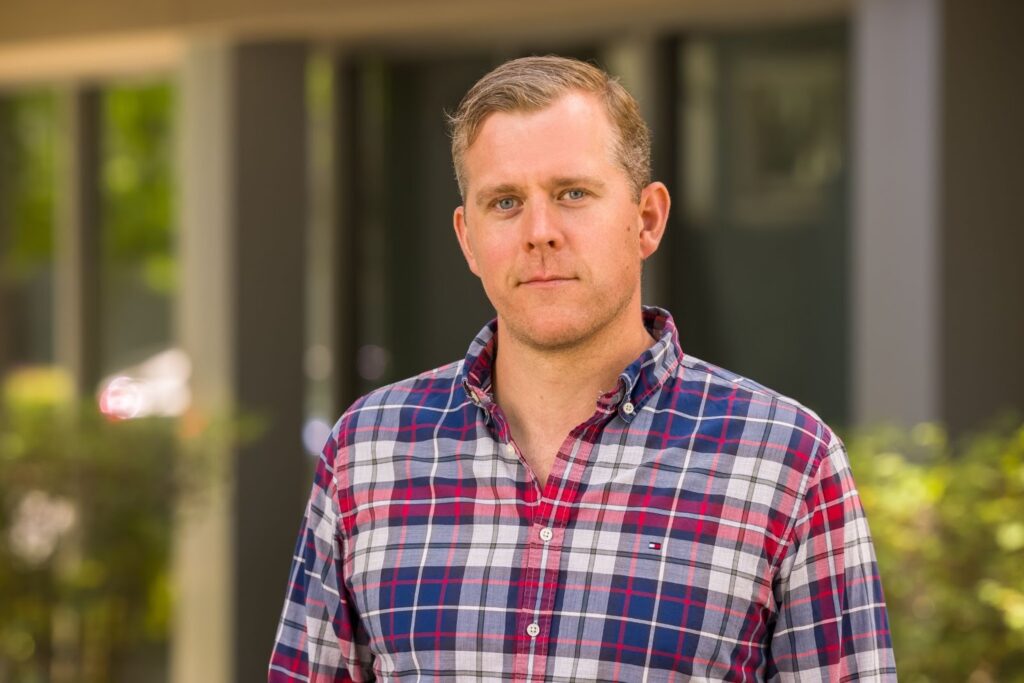
Douwe Kiela is the cofounder and CEO of Contextual AI, a company focused on building more reliable and grounded AI systems. Prior to founding the company, Kiela led research teams at Meta AI, where he worked on improving how models understand and interact with real-world information. His work has consistently addressed one of the core challenges in artificial intelligence: ensuring that systems produce accurate, context-aware outputs. With Contextual AI, he is pursuing a vision centered on retrieval-augmented generation and factual consistency. Kiela’s approach reflects a shift in the industry from scaling models to improving their trustworthiness. His academic and industry background gives him a strong foundation for bridging research and product. As enterprises increasingly demand reliable AI systems, his work is gaining relevance. Kiela represents a new wave of founders focused not just on capability, but on correctness and usability.
Ali Ghodsi
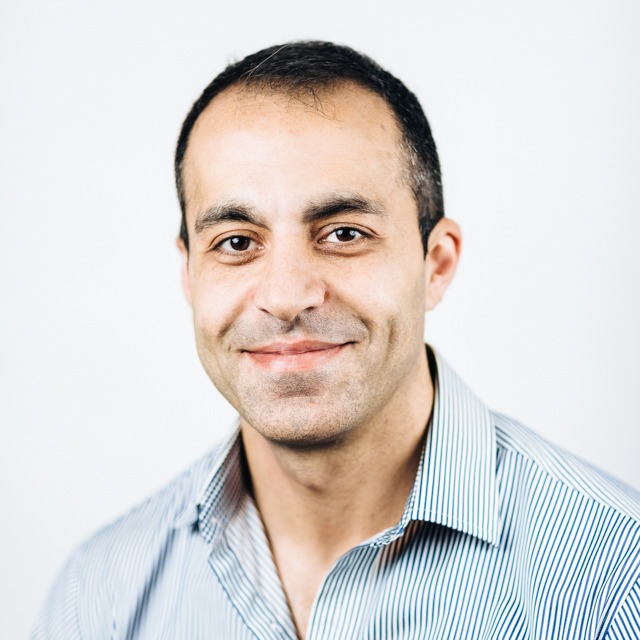
Ali Ghodsi is the cofounder and CEO of Databricks, a company that has become a central player in the data and AI infrastructure ecosystem. Originally developed from research at the University of California, Berkeley, Databricks was built around Apache Spark, a framework for large-scale data processing. Under Ghodsi’s leadership, the company has expanded into machine learning platforms, data lakes, and AI model deployment tools. While Databricks is not exclusively an AI startup, it plays a critical role in enabling organizations to build and scale AI systems. Ghodsi has been instrumental in positioning the company at the intersection of data engineering and machine learning. His strategy reflects a deep understanding that AI success depends on strong data infrastructure. As enterprises increasingly adopt AI, platforms like Databricks have become foundational. Ghodsi’s leadership highlights the importance of building the systems behind the systems.
Matei Zaharia

Matei Zaharia is a cofounder of Databricks and one of the original creators of Apache Spark. As both an academic and entrepreneur, Zaharia has played a major role in shaping how large-scale data and machine learning systems are built. His work has focused on making distributed computing more accessible and efficient, enabling organizations to process massive datasets. At Databricks, he has been central to the company’s technical direction, particularly in integrating machine learning workflows into data platforms. Zaharia represents a class of founders whose influence extends through both research and industry adoption. His contributions have helped define the infrastructure layer that modern AI depends on. By simplifying complex systems, he has enabled a broader range of companies to leverage data-driven technologies. His career underscores the importance of foundational tools in unlocking innovation across industries.
Sridhar Ramaswamy
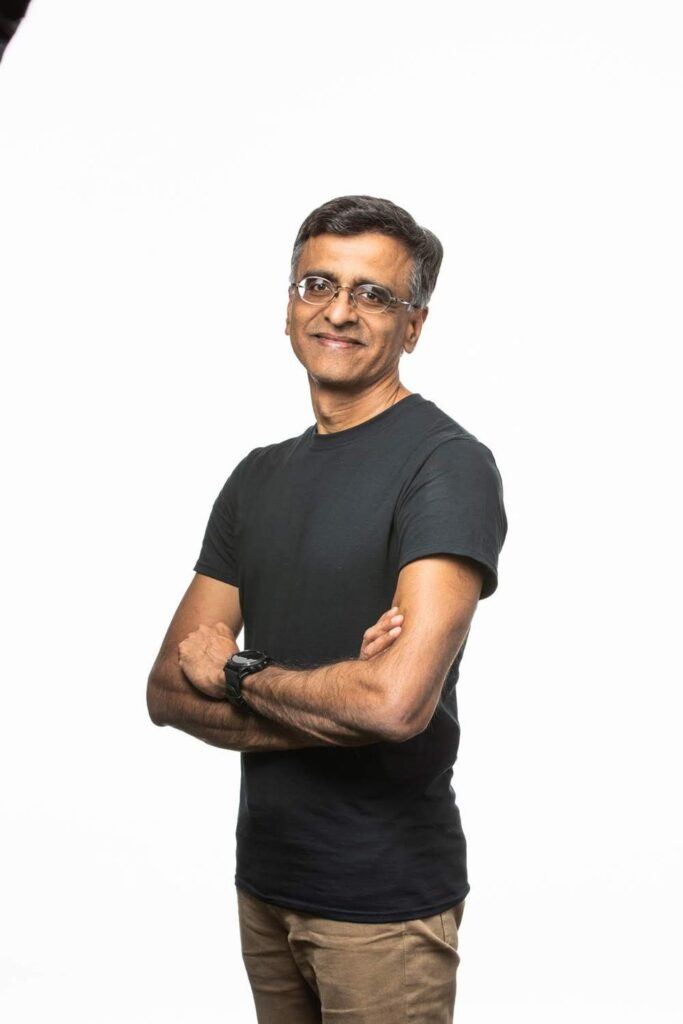
Sridhar Ramaswamy is the CEO of Snowflake and the cofounder of Neeva, an AI-powered search engine he launched after leaving Google, where he led the company’s advertising business. Neeva was built around a different model of search—one that prioritized user experience over advertising incentives. The company later integrated generative AI to provide direct answers, anticipating a shift in how people access information. Following Snowflake’s acquisition of Neeva, Ramaswamy became CEO, bringing his AI and search expertise into the data cloud space. His career spans both large-scale corporate leadership and entrepreneurial innovation. Ramaswamy’s work reflects a broader transformation in search and data platforms driven by AI. He is part of a group of leaders bridging traditional tech companies and the new AI-native landscape. His influence continues to shape how data and intelligence converge at the enterprise level.
Deb Raji

Deb Raji is a researcher and entrepreneur focused on AI auditing, accountability, and governance. Her work has been instrumental in highlighting the risks and biases embedded in automated systems, particularly in high-stakes applications. Raji has held roles at major technology organizations, including Mozilla and Microsoft, where she contributed to efforts around responsible AI. Beyond research, she has been involved in building frameworks and tools for auditing machine learning systems. Her approach reflects a growing recognition that AI development must be accompanied by mechanisms for oversight and evaluation. Raji represents a different kind of AI entrepreneur—one focused not on building models, but on ensuring they are used responsibly. As regulation and scrutiny increase, her work is becoming increasingly central to the industry. She stands at the intersection of technology, policy, and ethics, shaping how AI systems are evaluated and deployed.
Anima Anandkumar
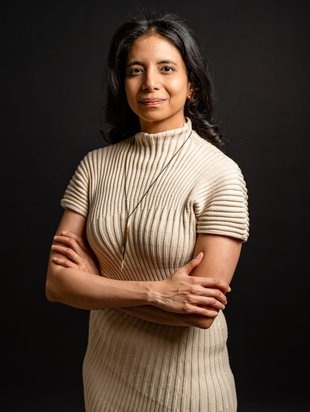
Anima Anandkumar is a prominent AI leader and entrepreneur whose work spans research, academia, and industry. She serves as a senior director of AI research at NVIDIA, where she focuses on advancing machine learning methods and scientific applications of AI. In addition to her corporate role, she has been involved in entrepreneurial initiatives and has contributed to the broader AI ecosystem through research and mentorship. Anandkumar’s work often explores how AI can be applied to complex scientific and engineering problems, extending beyond traditional applications. Her influence reflects a growing convergence between AI and scientific discovery. She is also known for her efforts to expand access and diversity within the field. Anandkumar represents a category of leaders who combine technical depth with ecosystem impact. Her contributions continue to shape both the direction of AI research and its real-world applications.