Trump Administration Keeps Michigan Coal Plant Running Despite Federal Court Ruling, Fueling $300 Million Cost Dispute
· 2 min read
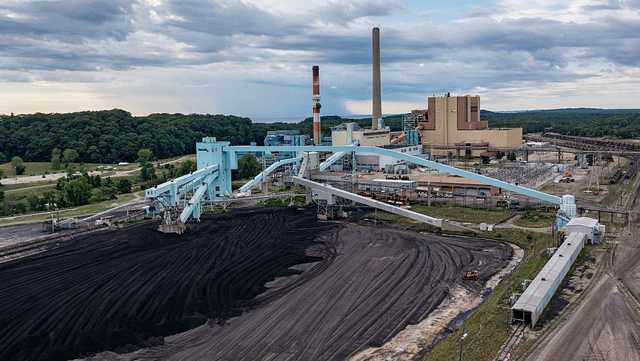
The Trump administration has ordered a 64-year-old Michigan coal-fired power plant to remain operational despite a federal appeals court ruling that rejected earlier government efforts to prevent its retirement.
The decision, announced in November 2026, has intensified a national debate over electricity reliability, rising energy costs, environmental protection and the limits of federal emergency authority.
At the center of the controversy is the J.H. Campbell Generating Plant near Grand Rapids, Michigan, which was originally scheduled to close in May 2025. Energy Secretary Chris Wright issued another emergency directive requiring the facility to remain available for electricity generation through February 12, 2027.
The order represents the seventh extension issued for the Campbell plant since May 2025. The Department of Energy argues that maintaining the facility is necessary to prevent electricity shortages, particularly during periods of extreme weather and high demand.
Federal officials maintain that reliable power generation remains essential as electricity consumption increases across the United States. However, environmental organizations and several state governments dispute whether the plant is genuinely necessary. In September, a three-judge panel of the U.S. Court of Appeals for the District of Columbia Circuit ruled that the administration had exceeded its legal authority.
The judges determined that the government had not demonstrated the emergency conditions required to justify earlier intervention. The Energy Department disagreed with the decision and requested reconsideration by the full appeals court. That request remains pending, and the dispute could eventually reach the Supreme Court.
The case raises important questions about how far federal agencies can go when intervening in electricity markets. Financial concerns have become central to the controversy.
According to Environmental Defense Fund, financial filings from Consumers Energy indicate that continued operation of the Campbell plant generated approximately $303 million in additional costs through September 30, 2026.
Environmental organizations estimate that keeping the facility available costs Midwestern electricity customers more than $600,000 daily. Across six states, similar federal orders extending fossil-fuel power plant operations have reportedly generated more than $600 million in costs.
Critics warn that consumers could ultimately bear these expenses through electricity rates. Supporters of the administration argue that maintaining backup generation capacity can help prevent costly blackouts.
The decision also carries environmental consequences. Coal-fired power plants release carbon dioxide and pollutants associated with respiratory illnesses and other health problems. Environmental Defense Fund estimates that Campbell’s extended operations have produced substantial additional sulfur dioxide and nitrogen oxide emissions.
These pollutants can contribute to respiratory conditions, including asthma. Meanwhile, the Environmental Protection Agency has rolled back federal greenhouse gas regulations affecting coal- and gas-fired power plants.
Environmental advocates argue that continued investment in aging coal facilities could delay the transition toward cleaner energy sources. The Michigan dispute reflects a broader administration strategy to strengthen the American coal industry.
In June, federal officials announced plans for nearly $700 million in support for coal-fired generation and coal exports. The administration views coal as an important component of domestic energy security.
Opponents argue that preserving uneconomic plants could divert resources from modernizing electricity infrastructure and expanding alternative generation technologies. The dispute highlights competing priorities in American energy policy: maintaining dependable electricity supplies, controlling consumer costs and reducing pollution.
Its outcome could influence future decisions about power plant retirements and federal intervention in electricity markets. The Michigan coal plant controversy has become a major test of whether emergency energy policies can withstand judicial scrutiny while balancing electricity reliability, affordability and public health.