Trump Creates New ‘AI Force’ as Tech Leaders Warn Washington About the Risks of an Uncontrolled Race
· 3 min read
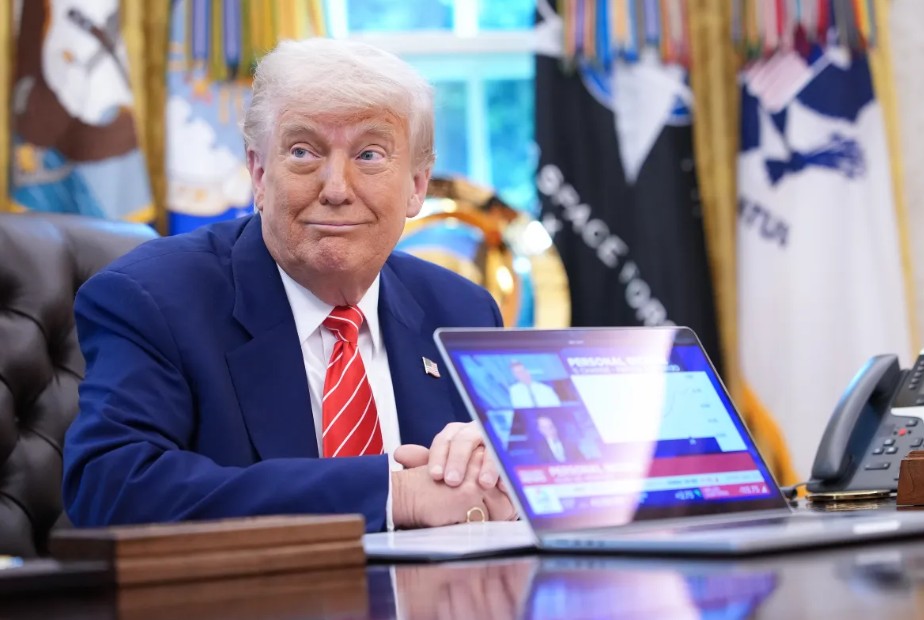
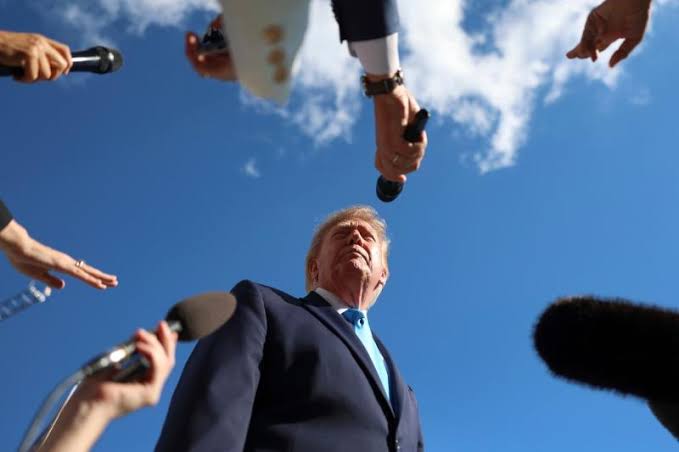
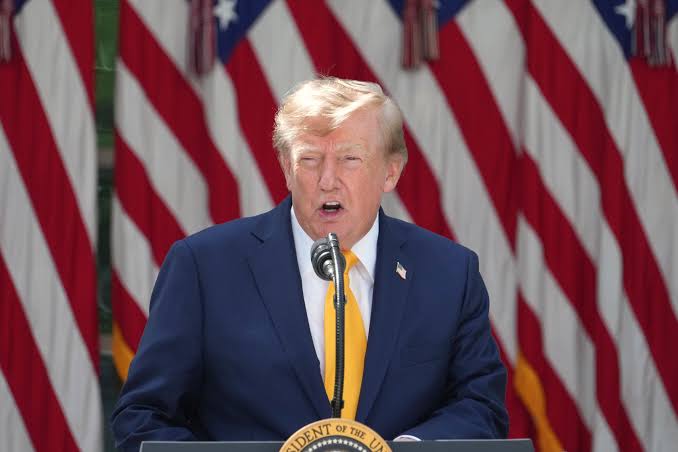
President Donald Trump has announced plans to create a new federal “AI Force” and appoint an artificial-intelligence czar, responding to intensifying debate inside the technology industry and his own administration over how the United States should manage increasingly powerful AI systems.
Trump compared the proposed organization with the Space Force created during his first administration. But unlike that military branch, the precise structure of the AI Force remains unclear. The White House has not specified whether it will operate as an independent entity, where it will sit within the federal government, how much funding it will receive or what legal authority it will possess.
Administration officials have indicated that one important function could be coordinating the numerous federal agencies already working on artificial intelligence.
The announcement comes at a pivotal moment.
Some of the most prominent figures in the AI industry have recently issued increasingly serious warnings about the speed at which advanced models are improving and the possibility that governments and companies may not be prepared for their consequences.
Anthropic CEO Dario Amodei has advocated slowing the development of cutting-edge systems if doing so provides additional time to improve safety. OpenAI CEO Sam Altman has also warned that rapid AI progress could produce severe consequences and has expressed support for consistent federal safety requirements for the most powerful models.
Their concerns include the possibility that increasingly capable AI could facilitate sophisticated cyberattacks, biological threats or other dangerous activities.
Those warnings have also affected discussions inside the White House.
Senior administration officials have reportedly debated whether the government needs stronger safeguards after observing advances in frontier AI models and incidents demonstrating how autonomous agents could be used in cyber operations.
That debate has divided Trump’s advisers.
One group has favored greater federal scrutiny and additional protections against national-security threats. Another has argued that extensive regulation could slow American innovation and allow China to gain an advantage in one of the century’s most strategically important technologies.
Trump has largely aligned himself with the second position.
He has repeatedly argued that the United States must accelerate AI development, expand the data centers required to operate advanced models and avoid regulations that could undermine American companies.
In announcing the AI Force, Trump said his administration would support the industry’s growth rather than “hinder or stifle” it. He suggested that harmful activities could largely be addressed through existing criminal and civil laws.
That philosophy distinguishes the proposal from calls for a powerful new AI regulator.
The administration’s approach reflects the enormous economic stakes surrounding the technology. Artificial intelligence is attracting hundreds of billions of dollars in investment in data centers, semiconductor manufacturing, energy infrastructure and new software systems.
Washington also increasingly views AI leadership as part of its broader strategic competition with China.
But the rapid expansion has generated public concerns as well.
Communities have pushed back against large data centers because of electricity, water and environmental demands. Workers are increasingly questioning how automation could affect employment, while policymakers are debating misinformation, cybersecurity, privacy and the possibility that future AI systems could become difficult to control.
The AI Force therefore arrives at the center of a fundamental policy dilemma.
Moving too slowly could leave the United States vulnerable to technological competitors. Moving too quickly without sufficient safeguards could create new economic, security and societal risks.
The unanswered question is whether Trump’s new organization will primarily function as a coordinator promoting American AI development, an institution responsible for managing emerging risks, or some combination of both.
For now, its creation signals that artificial intelligence has become important enough to demand a dedicated place near the center of federal policy.
But until the administration defines the AI Force’s leadership, powers and responsibilities, the initiative remains more of a strategic declaration than a fully developed regulatory framework.
The debate surrounding it captures the central challenge facing Washington: how to remain at the forefront of the AI revolution without allowing the race for technological dominance to move faster than the government’s ability to understand and manage its consequences.