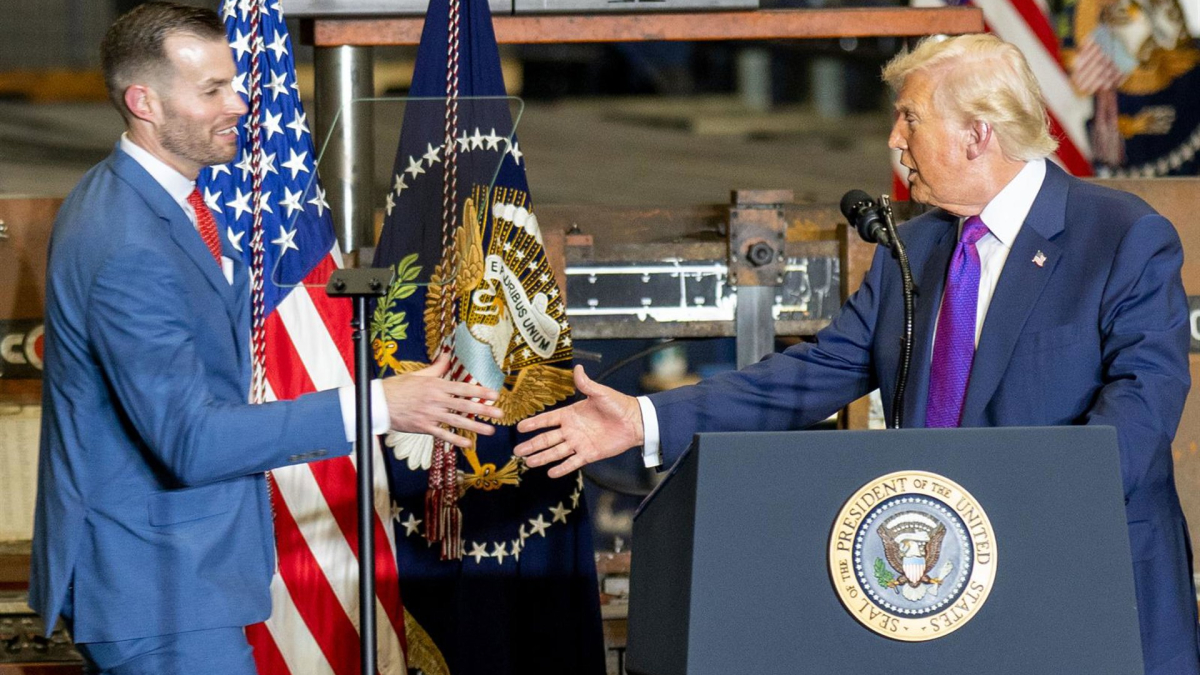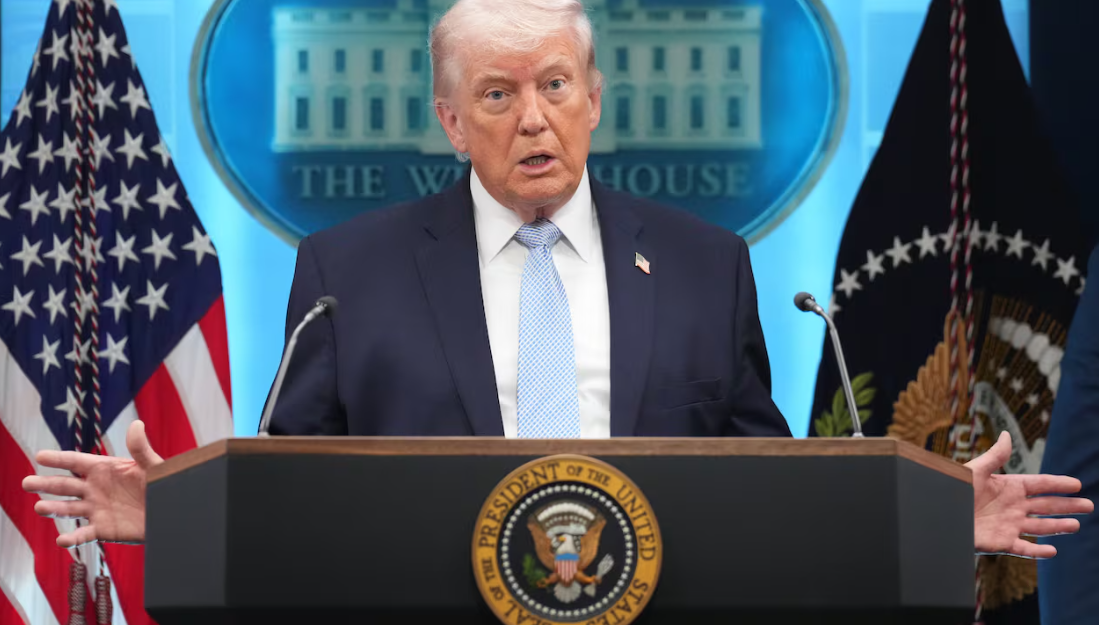
President Donald Trump says his administration has instructed major technology companies to build their own power plants to supply electricity for their fast-growing data center fleets, arguing the move is needed to prevent household utility customers from footing the bill for the AI boom. Trump made the comments during his 2026 State of the Union address, framing the idea as a new “ratepayer protection pledge” that would force Big Tech to “provide for their own energy needs” rather than drawing heavily from local grids.
The announcement lands in the middle of an intensifying national debate over how to power the next wave of AI infrastructure. Training and running large AI systems requires huge amounts of compute, and the newest “hyperscale” data centers can consume hundreds of megawatts to more than 1 gigawatt—comparable to the electricity demand of a large city. This surge in demand is colliding with an aging U.S. grid and a slow pipeline of new generation and transmission, heightening fears that data center growth will translate into higher electricity prices for ordinary consumers and businesses.
Trump’s message also reflects the political pressure building around local resistance to data center projects. Communities in multiple states have pushed back against new campuses because of concerns about power demand, land use, water use, and whether grid upgrades will raise rates. By placing the responsibility on technology firms to fund and secure their own power, the White House is trying to reposition AI expansion as compatible with consumer protection—at least rhetorically—while still encouraging U.S. leadership in AI.
Trump did not name specific companies or spell out enforcement details in the speech. However, sources told the White House plans to host industry leaders in March to formalize or advance the initiative. The lack of specifics leaves open major questions about how “build their own power plants” would work in practice—whether through onsite generation, dedicated offsite plants contracted for a single operator, long-term power purchase agreements coupled with new generation buildouts, or partnerships with utilities.
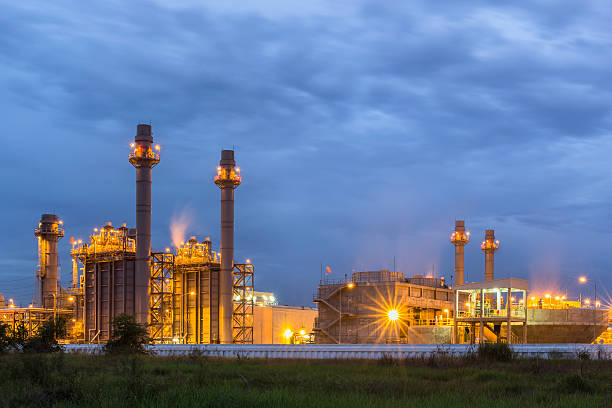
The broader context is that Big Tech is already moving toward “self-supply” models in some places, because grid interconnection queues are long and utilities cannot always guarantee enough capacity quickly. A growing number of data center developers are planning independent gas-fired plants to ensure reliability, while turbine shortages and permitting delays are stretching timelines for new generation well into the late 2020s.
Overall, Trump’s proposal signals a hardening stance: the administration wants AI scale and speed, but also wants a policy framework where the cost and risk of new power—plants, fuel contracts, and grid upgrades—falls more directly on tech companies rather than ratepayers. Whether the pledge becomes binding policy (and how it intersects with state utility regulation and grid operator rules) will likely determine if it meaningfully changes the economics of the AI buildout—or mainly serves as a political line in the affordability debate.