U.S. Oil Giants Struggle to Secure Venezuela’s Most Valuable Energy Assets
· 3 min read
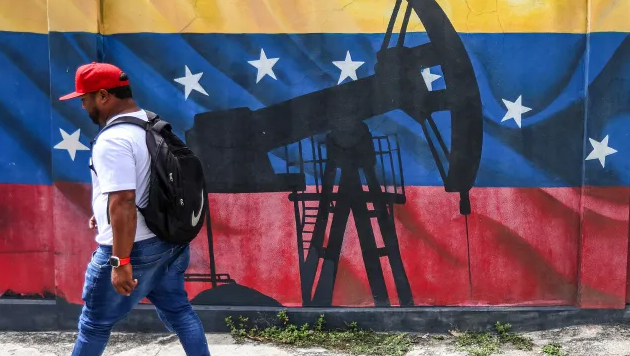
Major American oil companies have encountered significant obstacles in their attempts to expand into Venezuela, frustrating the Trump administration’s expectations that U.S. investment would quickly revive the country’s enormous but badly damaged petroleum industry. Seven months after the removal of Nicolás Maduro, negotiations involving Exxon Mobil, Chevron and ConocoPhillips have produced limited results as companies confront political uncertainty, unresolved debts and intense competition for the few oil fields considered commercially attractive.
Venezuela possesses some of the world’s largest reported crude-oil reserves, but decades of underinvestment, mismanagement, sanctions and infrastructure deterioration have made much of that resource difficult and expensive to develop. The country’s heavy crude requires specialized equipment, significant processing and stable access to electricity, pipelines and export terminals. Recent earthquake damage has created additional operational and financial complications, further reducing companies’ willingness to commit billions of dollars without strong legal and political guarantees.
The interim government led by President Delcy Rodríguez is attempting to attract international investment through production-sharing arrangements managed by the state oil company, Petróleos de Venezuela, or PDVSA. However, negotiations have stalled partly because the government has only a limited number of high-quality assets available and several foreign companies are competing for them. Oil producers are more interested in fields that can generate output relatively quickly than in neglected properties requiring years of reconstruction.
Chevron has made the most visible progress because it maintained operations in Venezuela while other American companies withdrew. Its local production has reportedly climbed to nearly 300,000 barrels a day, giving it existing employees, infrastructure and relationships that potential new entrants do not possess. Chevron can expand current projects more efficiently, while companies returning after long absences must rebuild teams, negotiate contracts and evaluate assets that may require extensive rehabilitation.
Exxon remains cautious because of its previous experience in the country. Venezuelan authorities nationalized its assets under earlier governments, producing years of legal disputes and substantial financial losses. Reviving former projects such as Cerro Negro would require considerable investment, and Exxon wants stronger assurances that contracts and property rights will be respected before making a long-term commitment. ConocoPhillips faces similar concerns and is still seeking approximately $12 billion connected to assets previously expropriated, while Exxon has an outstanding claim of roughly $1 billion.
These unresolved claims have complicated the government’s efforts to attract the companies. The oil producers want compensation and access to valuable reserves, while Venezuelan officials must balance foreign demands against domestic concerns that the country’s most important resources could be transferred too cheaply. Venezuela is also attempting to restructure an enormous debt burden, limiting its capacity to repay former investors while financing national reconstruction.
The Trump administration had hoped that major oil companies would invest quickly, increase Venezuelan production and provide additional supplies during instability in the Middle East. Earlier U.S. plans envisioned American firms spending billions of dollars to repair the country’s oil infrastructure. Industry executives, however, have emphasized that petroleum projects are based on decades-long calculations rather than short-term political objectives. They require confidence in security, contracts, taxation and future governments before committing shareholder capital.
With major corporations moving cautiously, Washington and Caracas are increasingly looking toward smaller private oil companies willing to accept greater risks. Some are associated with prominent business figures and Trump allies, including Harold Hamm and Ross Perot Jr. These independent operators may be prepared to provide faster investment, although they lack the financial scale and technical resources of the largest global producers.
The stalled negotiations demonstrate that access to enormous reserves does not automatically make Venezuela an attractive investment. Without lasting political stability, enforceable contracts, debt settlements and major infrastructure repairs, most U.S. oil giants appear unwilling to make the large commitments envisioned by the administration. Venezuela may eventually restore substantial production, but the process is likely to be slower, costlier and more complicated than Washington initially anticipated.