The fragile ceasefire between the United States and Iran is under serious pressure after both sides exchanged fire around the Strait of Hormuz, raising fears the conflict could return to open fighting. Diplomatic efforts were still continuing, but recent clashes in and around the contested waterway have sharply increased doubts about whether the truce can hold. U.S. Secretary of State Marco Rubio said Washington was waiting for Iran’s response to ceasefire proposals, even as military tensions continued to rise.
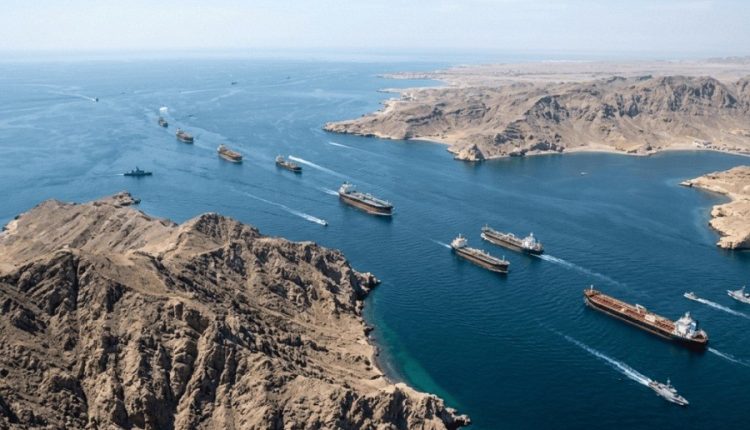
The Strait of Hormuz is central to the crisis because it is one of the world’s most important energy chokepoints. Any disruption there affects oil shipments, global energy prices, and broader economic stability. In recent weeks, the waterway has become both a military flashpoint and a bargaining tool. The United States wants shipping routes reopened and secured, while Iran has used control over the strait as leverage in negotiations over sanctions, security guarantees, and the future of the conflict. That makes every military incident in the area especially dangerous because it can quickly become both a battlefield event and a diplomatic setback.
The United States said it carried out strikes on Iranian military targets after an attack on three American destroyers in the Strait of Hormuz. Iran rejected Washington’s version of events and accused the United States of striking first. That disagreement is important because each side is framing the other as the ceasefire violator. If neither side accepts responsibility, it becomes much harder for mediators to restore trust or prevent retaliation.
The exchange of fire threatens a ceasefire that had been in effect since April 8. The truce was intended to create space for negotiations and reduce the risk of a wider regional war, but it has been repeatedly strained by attacks, naval movements, and conflicting demands. Diplomacy is still active, but the situation has grown more unstable because fighting has continued even while talks are supposed to be underway.
Iran’s position appears to be that any deal must include an end to hostilities, sanctions relief, and respect for its role in the Strait of Hormuz. U.S. officials, meanwhile, have been pushing for broader security and nuclear-related commitments. The gap between those positions remains large. Trump rejected Iran’s response to a peace plan as “totally unacceptable,” suggesting that the diplomatic track was becoming even more fragile.
The risk now is that the ceasefire exists more on paper than in practice. If U.S. and Iranian forces continue operating in close proximity around Hormuz, even a limited clash could trigger a cycle of retaliation. Commercial shipping companies are also likely to remain cautious, because the presence of naval forces, missile threats, drones, and uncertain rules of engagement makes the strait a high-risk corridor.
Overall, the story shows a ceasefire at a dangerous turning point. Diplomacy has not fully collapsed, but the exchange of fire in Hormuz has weakened confidence that either side can control escalation. Unless negotiators can quickly establish clearer terms and prevent further military incidents, the U.S.-Iran truce could unravel, with consequences for the region and the global economy.