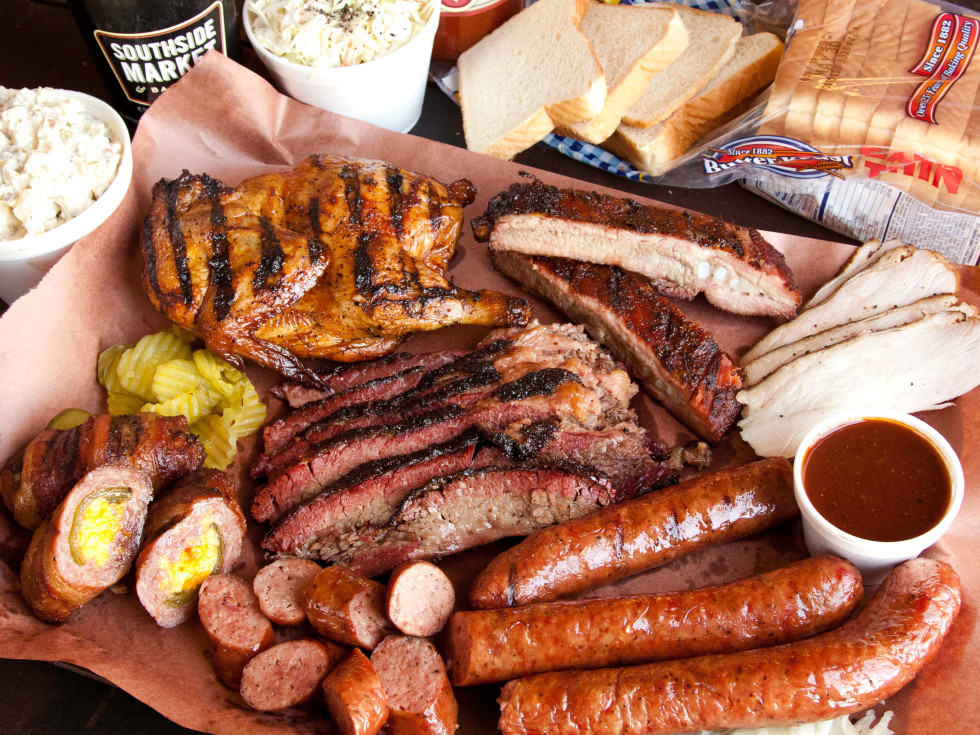
Texas barbecue, one of the state’s most famous culinary traditions, is facing a serious economic crisis as meat prices surge and restaurant owners struggle to keep their doors open. Rising beef costs, especially for brisket, have forced some beloved barbecue spots to close and left even highly rated restaurants operating in “survival mode.” Brisket, long considered the heart of Texas barbecue, has become so expensive that many pitmasters say the business model is breaking down.
The pressure is being felt across the industry. Restaurants such as Brett’s BBQ Shop in Katy, Kirby’s BBQ in New Caney, Sabar BBQ in Fort Worth, and Wright on Taco & BBQ in East Texas have closed as costs became too difficult to manage. Owners say the problem is not simply one expensive ingredient, but a combination of meat prices, labor costs, supplies, utilities, rent, and weaker customer traffic. When every part of running a restaurant becomes more expensive, small operators have little room to absorb losses.
Brisket is the biggest challenge because it loses a large amount of weight during trimming and smoking. Wholesale brisket can cost around $5 to $6 per pound, but after waste, cooking loss, labor, wood, packaging, and overhead, restaurants may need to charge close to $40 per pound just to make the numbers work. That creates a painful dilemma: raise prices and risk losing customers, or keep prices lower and lose money on the product that defines the restaurant.
The broader cause is a strained beef market. The U.S. cattle herd has fallen to its smallest size in 75 years, driven by years of drought, high feed prices, inflation, and rising operating costs for ranchers. With fewer cattle available, beef prices have climbed sharply. Brisket prices rose 28% over the past year, while another report noted that average retail beef prices hit a record $9.64 per pound in April, up 13% from the previous year.
For Texas barbecue restaurants, the crisis is also cultural. These businesses are not just places to eat; they are community institutions, family operations, tourist destinations, and symbols of regional identity. Many customers expect generous portions of smoked beef at prices that feel accessible. But owners now say those expectations are harder to meet. Some are shifting toward cheaper cuts, more sausage, chicken, turkey, burgers, catering, online orders, or creative dishes like beef cheek to survive.
Even celebrated restaurants are feeling the strain. Burnt Bean Co., one of Texas’s acclaimed barbecue spots, has reportedly been operating cautiously and considering limits on brisket availability. That shows the crisis is not limited to weak businesses; even successful restaurants with strong reputations can be hurt when their signature product becomes too costly.
Overall, the story shows how inflation and supply shocks can threaten a deeply rooted food tradition. Texas barbecue is built on patience, craft, smoke, and beef, but the economics behind that tradition are becoming harder to sustain. Unless cattle supplies recover or prices stabilize, more barbecue joints may be forced to close, raise prices sharply, or reinvent what Texas barbecue looks like.