Ebola Threat to the World Cup Is Minimal, but U.S. Hospitals Are on Alert
· 3 min read
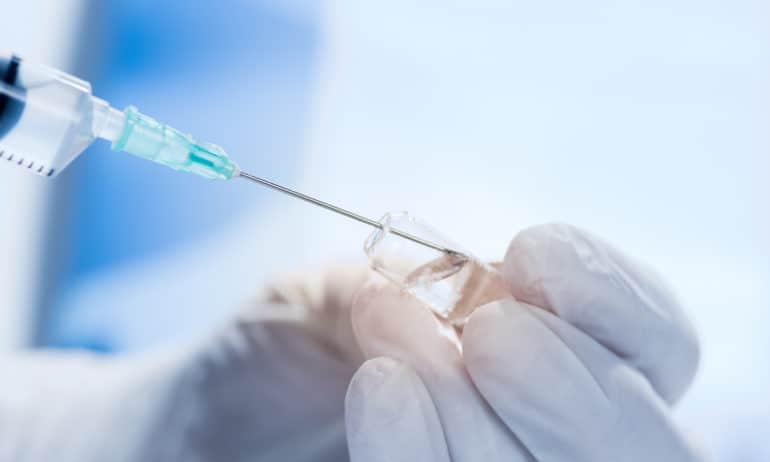
Experts say the risk of Ebola affecting the 2026 World Cup is extremely low, but U.S. hospitals and public health agencies have still spent months preparing for the possibility of an imported case during the tournament. Infectious disease specialists, the CDC, the Pan American Health Organization and the World Health Organization all view Ebola as a low-probability threat for the World Cup, even as they continue monitoring the outbreak in the Democratic Republic of Congo.
The concern comes from the scale of the event. More than 6.5 million fans are expected to travel across North America during the 39-day tournament, creating ideal conditions for some infectious diseases to spread. But experts emphasized that Ebola is not like measles, COVID-19 or influenza. It does not spread through the air or by casual contact. Instead, transmission requires direct contact with the body fluids of someone who is already sick. That makes the odds of widespread World Cup transmission extremely small, even if a case were to arrive.
Still, “extremely low” does not mean zero. The current Ebola outbreak in the Democratic Republic of Congo has infected more than 675 people and killed more than 135. Former CDC director Tom Frieden said that the danger to World Cup participants remains very low, but that it will not be zero until the outbreak is controlled at its source in Congo. That distinction is central: the event is not facing a likely Ebola crisis, but health officials do not want to be caught unprepared.
The United States is in a much stronger position than it was during the 2014 Ebola outbreak, when a Liberian traveler named Thomas Eric Duncan was initially sent home from a Dallas hospital before later being admitted, and two nurses became infected. The failures of that episode led to about $260 million in U.S. funding for Ebola preparedness, including 13 specialized treatment centers and broad training efforts to help hospitals identify, isolate and safely treat suspected patients. Emory University’s Dr. Gavin Harris said the country is more prepared than ever before.
Preparation for the World Cup has been extensive. Officials have run national training exercises simulating outbreaks, compiled guidance for doctors on diseases that may be uncommon in their cities, and formed medical committees in each host city involving FIFA, public health officials and hospital systems. Some locations have discussed keeping disease-specific treatments or protective gear nearby, while surveillance efforts include wastewater monitoring, air-quality data and electronic medical records to detect unusual illness clusters.
Travel controls are also part of the defense. The United States, Mexico and Canada have imposed airport screening and travel restrictions on non-citizens who recently visited outbreak-affected countries, and the U.S. has urged Europe to take similar steps. These measures appear designed to reduce the already low odds that an infected traveler would reach World Cup venues. The DRC national soccer team left Congo in May and trained in Belgium before traveling to the United States in order to comply with U.S. restrictions.
At the same time, some experts worry that America’s public health system is under strain. Concerns about CDC staffing cuts, the U.S. departure from WHO, and pressure on state and local health departments already dealing with the biggest U.S. measles outbreak in decades. Jeanne Marrazzo of the Infectious Diseases Society of America said many public health workers are still working intensely to keep the country safe, but she and others suggested the system has less capacity than it once did.
Overall, Ebola should not be seen as a likely World Cup threat, especially compared with more contagious illnesses like measles, flu and COVID-19. But it shows why officials are taking it seriously: even a very unlikely disease can demand strong preparation when millions of people are traveling and a single missed case could trigger major alarm.