New York County Faces Lawsuit Over Camera Network Tracking Millions of Drivers
· 2 min read
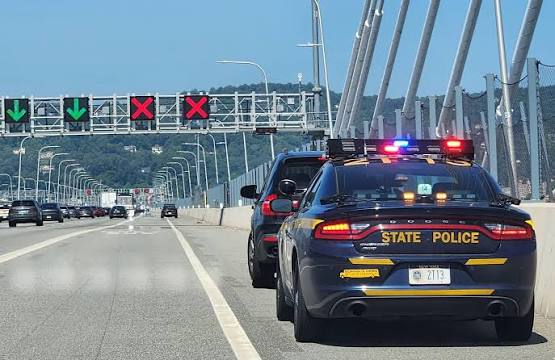
A coalition of civil rights groups has filed a class action lawsuit against Westchester County, New York, challenging its massive license plate reader program as an unconstitutional surveillance system. The county has deployed nearly 600 license plate reader cameras that have collected about 1.6 billion scans of vehicles traveling through the suburban county just north of New York City. The lawsuit argues that the program records the movements of millions of motorists without meaningful transparency, accountability or proper legislative authorization.
The case was filed on behalf of four women who live in Westchester or nearby jurisdictions. The plaintiffs say their cars were scanned thousands of times even though they were not suspected of any crime. One plaintiff, Lora Nelson, allegedly had her vehicle captured more than 2,400 times, while another plaintiff’s car was scanned 1,134 times between 2023 and 2026. Civil rights lawyers argue that this kind of repeated tracking can reveal intimate details about a person’s daily life, including where they work, worship, seek medical care, visit family or attend political events.
License plate readers use cameras to automatically photograph passing vehicles, identify plate numbers and store information about where and when a vehicle was seen. Police often defend the technology as a useful tool for finding stolen cars, locating suspects and investigating crimes. But privacy advocates say large networks of cameras can become a form of mass location tracking, especially when data is stored for long periods and shared widely.
The Westchester lawsuit claims the county shared its database with more than 50 outside law enforcement agencies, including U.S. Immigration and Customs Enforcement. That detail is especially sensitive because communities across the country have raised concerns that local surveillance tools can be used for immigration enforcement, even when residents were never told their driving data could be shared with federal agencies. U.S. Border Patrol ran a secretive license plate reader program that singled out drivers based on travel patterns, adding to national scrutiny of the technology.
The lawsuit is being brought by the Policing Project at NYU School of Law, the Knight First Amendment Institute at Columbia University, the New York Civil Liberties Union and the law firm Freshfields. Barry Friedman, founder of the Policing Project, said police departments should not be able to unilaterally create systems that monitor residents’ daily movements without democratic oversight. Westchester County said it had not yet received or reviewed the lawsuit.
The legal challenge is important because courts have generally allowed license plate reader use, largely because cars travel on public roads where drivers have reduced expectations of privacy. But civil rights groups argue that older legal ideas do not fit today’s technology. A single officer seeing a car on a road is very different from a countywide camera network building a searchable database of someone’s movements over months or years.
Overall, the Westchester case could become a major test of how courts treat modern surveillance. The lawsuit does not simply question one police tool; it asks whether government can quietly collect and share detailed travel histories of ordinary people. As license plate readers spread across the country, the answer could shape the future of privacy, policing and public oversight in the digital age.