Fox Buys Roku in $22 Billion Deal to Control More of the Streaming Future
· 3 min read
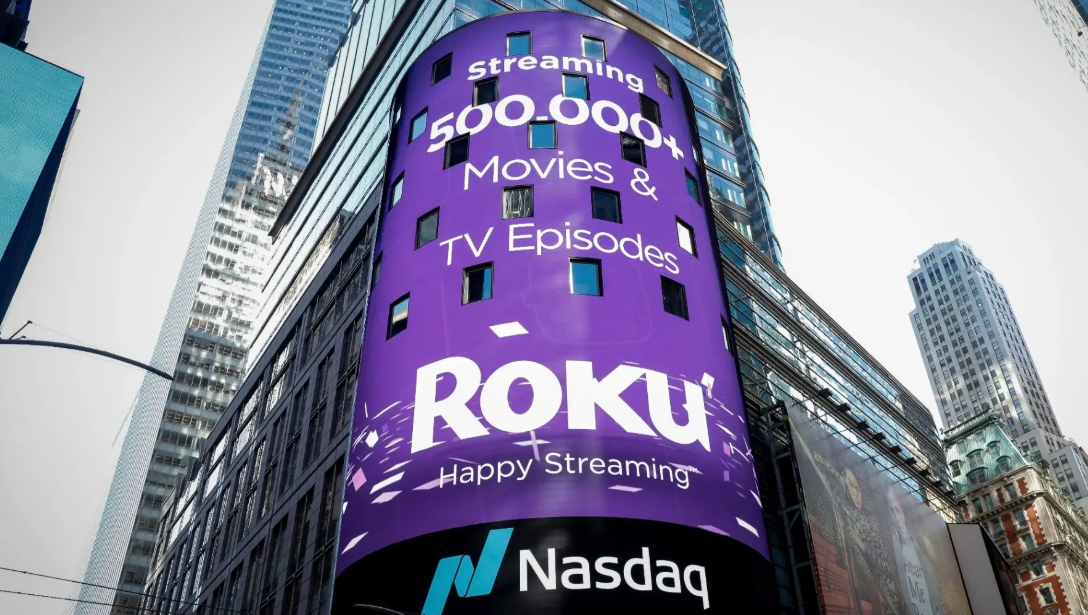
Fox Corp. has agreed to acquire streaming platform Roku in a $22 billion deal, a move that dramatically expands Fox’s position in digital television and advertising as traditional cable and satellite continue to weaken. The agreement would unite Fox’s news, sports and broadcast assets with Roku’s streaming-device and platform ecosystem, which reaches 100 million consumers globally.
The deal is significant because it gives Fox something media companies increasingly value above almost everything else: direct access to households. Roku is not just a streaming app or content service. It is a major platform through which people watch television, search for content and receive advertising. According to the Times, 21% of all internet-connected TV viewing comes through Roku, while the Roku Channel itself accounts for 3% of all TV viewing. That makes Roku one of the most important gateways in the streaming economy.
For Fox, the acquisition reflects a long-running strategic shift. After selling most of its television and movie production assets to Disney in 2018, Fox chose not to compete directly in expensive scripted entertainment. Instead, it focused on live sports, news and lower-cost streaming businesses. The company bought Tubi in 2020 for $440 million, and that ad-supported streaming service is now approaching $1.5 billion in annual revenue and has recently become profitable. Buying Roku takes that strategy much further by giving Fox not just another streaming brand, but a distribution and advertising platform at enormous scale.
The financial terms underscore how ambitious the move is. Roku shareholders will receive cash and Fox stock valued at $160 a share, and the companies project about $400 million in cost savings from the combination. Fox executives framed the acquisition as a “defining moment” and a natural extension of the company’s decade-long strategy. At the same time, the market reaction was mixed: Fox shares fell sharply on the announcement while Roku’s moved only modestly. That suggests investors are still weighing whether the strategic logic outweighs the price and integration risks.
A major attraction is advertising and data. By owning Roku, Fox gains access to audience data from connected households that can help it target ads more precisely and sell more digital inventory. Roku will generate $3.57 billion in ad revenue this year, up 19% from last year, and one analyst said Roku’s business will “more than double” Fox’s digital advertising revenue. In other words, the acquisition is not just about distributing Fox programming. It is also about becoming a much bigger player in the fast-growing ad-supported streaming market.
Still, there are real questions about integration. Roku has built its business as a relatively neutral platform that carries many services, including ones that compete with Fox. The companies said they plan to keep Roku “partner-friendly,” but analysts noted that this may require reassurance to media rivals and distributors. There is also a cultural question: Roku is a digitally focused technology company, while Fox remains rooted in legacy media assets and traditional television economics. Whether those businesses can fit together smoothly is still uncertain.
The deal shows Fox trying to secure its future as streaming overtakes old TV distribution. Instead of relying mainly on cable bundles and affiliate fees, Fox is buying a major front door to the connected-TV world. If it works, the company will gain more control over audience reach, advertising and data at a moment when scale matters more than ever in streaming. If it does not, Fox will have spent $22 billion on a platform that is powerful but difficult to blend with a legacy media empire.