The Trump administration is intensifying its effort to restrict undocumented immigrants’ access to the American financial system. New guidance issued by three federal regulators instructs banks and credit unions to consider whether borrowers who lack authorization to work in the United States present a greater risk of failing to repay loans. Although the guidance does not directly prohibit lending to undocumented immigrants, it could discourage financial institutions from approving mortgages, auto loans, credit cards and other forms of consumer credit for these customers.
The guidance comes from the Office of the Comptroller of the Currency, the Federal Deposit Insurance Corporation and the National Credit Union Administration. The agencies argue that financial institutions should evaluate whether a borrower’s income could disappear because of detention, deportation or the loss of employment. Regulators say banks already have a responsibility to measure a customer’s ability to repay, and immigration-related instability may be relevant to that analysis.
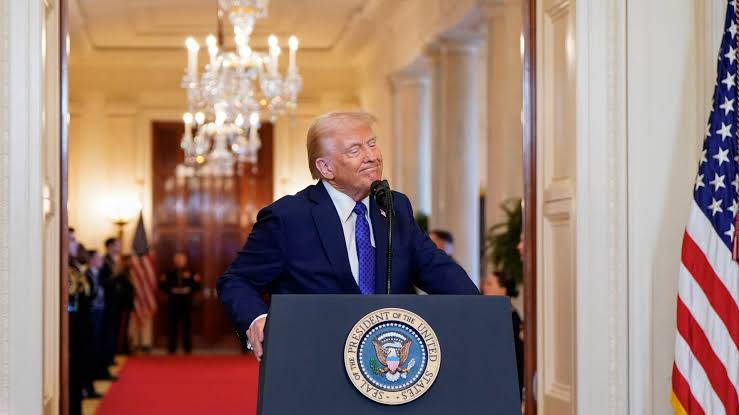
The move follows a May executive order from President Donald Trump directing financial regulators to examine how the banking system might be used to support illegal immigration, human smuggling, money laundering and criminal organizations. The final policy is less aggressive than earlier ideas reportedly considered by the administration, including requiring banks to collect citizenship documents from customers. Banks are not being ordered to gather citizenship information from every account holder, nor are they being explicitly told to close existing accounts.
Nevertheless, the guidance could have a powerful practical effect. Financial institutions may decide that serving undocumented customers creates too much regulatory, legal or reputational risk. Even without a formal ban, lenders could tighten their standards, demand additional documents, charge higher interest rates or reject applications from people whose work authorization is uncertain.
The policy may also affect immigrants who entered the country without authorization but later received temporary permission to work. Recipients of Deferred Action for Childhood Arrivals and Temporary Protected Status could face greater scrutiny because their employment authorization may expire or be withdrawn. That means the impact may extend beyond people who currently lack all legal documentation.
Supporters of the policy argue that regulators are simply reminding lenders to consider realistic credit risks. A borrower who is deported or loses permission to work may no longer have the income needed to repay a loan. Administration officials also say stronger scrutiny can help prevent identity theft, payroll fraud, money laundering and the use of financial institutions by criminal networks.
Critics warn that the guidance could encourage discrimination and push immigrants away from regulated banks. Consumer advocates say lenders may begin using immigration status as a shortcut instead of examining each applicant’s actual income, payment history and creditworthiness. They also argue that people excluded from mainstream banking may turn to check-cashing businesses, payday lenders or informal financial services that are more expensive and less protected.
The guidance also marks a reversal from the Biden administration’s approach. Earlier federal policy emphasized that lenders could violate fair-lending laws by unnecessarily discriminating against applicants because of immigration or citizenship status. The Trump administration has withdrawn that guidance and is now encouraging lenders to consider immigration-related risks more explicitly.
Overall, the new policy uses financial regulation as another tool in Trump’s broader immigration crackdown. It stops short of formally excluding undocumented immigrants from banking, but it sends institutions a clear message: loans to borrowers without secure work authorization may attract greater regulatory concern.