New York has become the first U.S. state to impose a statewide moratorium on the construction of large data centers, responding to growing concerns that the infrastructure supporting artificial intelligence could raise electricity prices, strain water supplies and place excessive pressure on local communities. Governor Kathy Hochul announced a one-year pause covering proposed facilities that would consume 50 megawatts or more of electricity.
During the moratorium, New York’s Department of Environmental Conservation will stop issuing new discretionary permits for projects above that threshold. State officials will use the pause to develop standardized methods for evaluating the environmental effects of data centers, including their demands on power generation, transmission networks, water resources and surrounding communities. Existing facilities are not being shut down, and smaller developments may continue through the approval process.
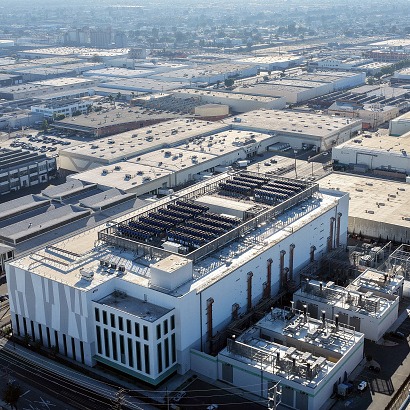
The decision places New York at the center of a national debate over the physical costs of the AI boom. Technology companies are investing enormous sums in facilities filled with advanced chips and servers, but those systems require substantial amounts of electricity to operate and water to keep equipment cool. New York already has more than 130 data centers, limited available land and constrained power capacity. As of May, proposed large energy-consuming projects awaiting connection to the state’s electrical grid represented more than 12 gigawatts of potential demand.
Hochul said the rapid expansion threatens to increase utility bills, consume natural resources and create uncertainty for residents. She also plans to pursue legislation eliminating sales-tax exemptions for large data centers. Such incentives were originally designed to attract investment and jobs, but critics argue they can force taxpayers to subsidize facilities that use immense resources while providing relatively few permanent positions after construction ends.
The moratorium is narrower than legislation recently approved by New York lawmakers, which targets facilities consuming more than 20 megawatts. That bill had not yet reached Hochul’s desk when the pause was announced. The governor’s executive action therefore establishes an immediate but more limited freeze while the state develops its broader policy.
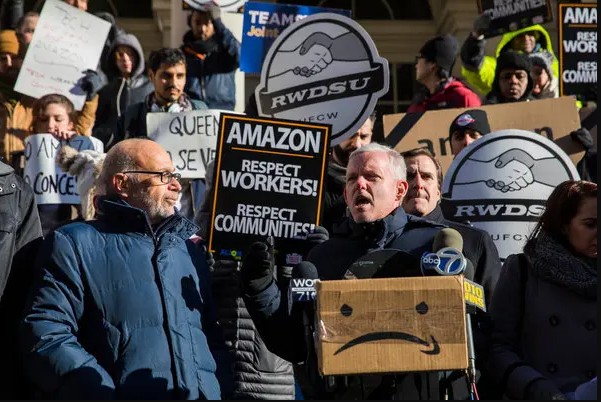
Industry representatives warn that the restriction could send investment and jobs to competing states. Data-center developers argue that these facilities are essential for cloud computing, digital services and American competitiveness in AI. They also say predictable regulations would be preferable to blanket pauses that can interrupt projects already being planned. Major technology companies—including Amazon, Microsoft, Alphabet, Meta and Oracle—had not publicly responded.
New York’s action follows similar debates elsewhere. Maine lawmakers approved an 18-month moratorium on large data centers, but Governor Janet Mills vetoed the proposal over concerns that it could threaten investment and employment. At least a dozen states have considered restrictions, while some cities have gone further: Monterey Park, California, became the first U.S. municipality to permanently prohibit new data centers through a public vote.
The controversy is not limited to environmental concerns. Electricity increases affecting manufacturers in regions experiencing rapid data-center growth. Some businesses say new capacity charges linked to expanding power demand have caused their bills to rise dramatically, intensifying fears that households and traditional industries may subsidize infrastructure built primarily for technology companies.
New York’s moratorium represents a significant shift in the politics of artificial intelligence. Rather than competing unquestioningly for data-center investment, the state is demanding clearer evidence about who pays the economic and environmental costs. The pause does not reject AI development, but it signals that future projects may need to meet stricter standards governing electricity, water, taxation and community impact.