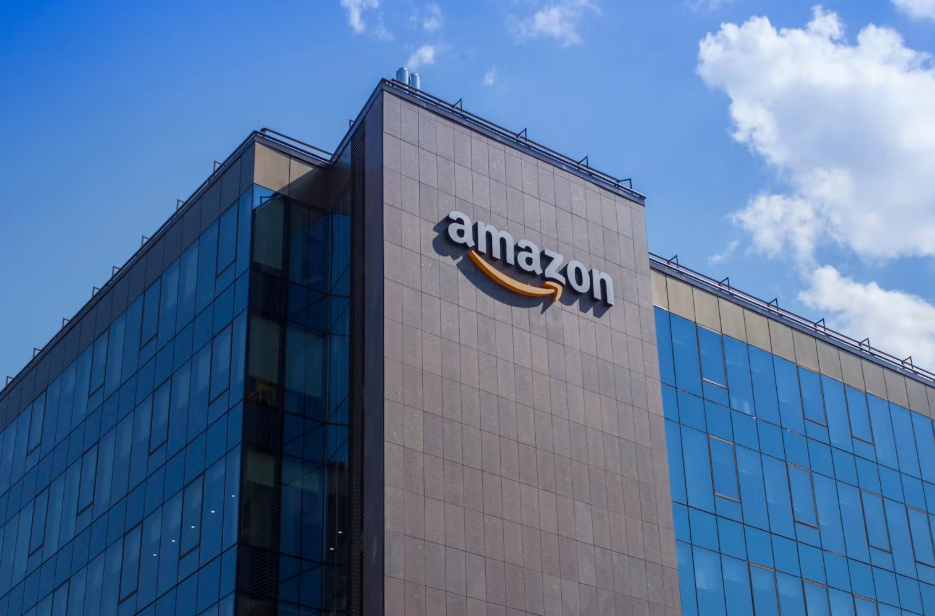
Amazon is facing a major new legal battle after the Federal Trade Commission and a bipartisan coalition of 22 U.S. states sued the technology and retail giant, alleging that it secretly manipulated its digital advertising auctions to force businesses to pay higher prices. Regulators claim the practices affected more than one million advertisers and generated more than $20 billion in additional advertising revenue for Amazon.
The lawsuit, filed in federal court in the Western District of Washington on August 31, focuses on the enormous advertising marketplace Amazon has built around its e-commerce platform. Companies selling products through Amazon frequently pay to have their merchandise appear prominently when shoppers search for particular products.
Those advertisements—including Sponsored Products, Sponsored Brands and Sponsored Display ads—are generally sold through automated auctions. Advertisers submit bids indicating how much they are willing to pay when shoppers click on their advertisements.
The FTC alleges that beginning around 2019, Amazon secretly changed important aspects of those auctions.
According to regulators, Amazon introduced undisclosed mechanisms that effectively increased the minimum amount advertisers needed to pay. The government alleges that Amazon sometimes inserted its own artificial bids into auctions, raising the price paid by the winning advertiser even when there was no competing advertiser willing to pay that amount.
The complaint argues that this contradicted how Amazon represented its advertising system.
Amazon and advertising partners had described the system as a second-price auction, where the winning advertiser generally pays slightly more than the second-highest bidder rather than the full amount of its maximum bid. Regulators contend that Amazon’s undisclosed interventions meant advertisers were sometimes paying substantially more than they reasonably expected.
The FTC claims the scale was enormous. As many as 80% of Sponsored Products auctions were affected by some form of Amazon intervention, according to the complaint. More than 1.2 million advertisers allegedly paid inflated prices, potentially costing businesses at least $20 billion.
Regulators also argue that the consequences extended beyond advertisers.
Businesses selling through Amazon already pay numerous expenses, including seller fees, fulfillment costs, storage charges and advertising expenses. If advertising becomes more expensive, the FTC argues, sellers may compensate by raising product prices—meaning ordinary shoppers could ultimately absorb part of the additional cost.
The government is seeking substantial financial relief. An FTC official said that regulators could pursue tens of billions of dollars in damages, although a precise figure has not yet been determined. The participating states could also seek civil penalties and attempt to recover money for affected businesses.
Amazon strongly denies the allegations.
The company argues that the FTC fundamentally misunderstands how modern advertising auctions operate. Amazon says its system prioritizes advertising relevance instead of simply selecting whichever company submits the highest bid, helping shoppers see advertisements more closely connected to what they are searching for.
Amazon also claims its system actually saved advertisers approximately $8 billion between 2021 and 2025. The company says average winning bids for Sponsored Products search advertisements declined roughly 50% between 2019 and 2025, while the average cost per click remained relatively stable from 2019 through 2024.
The lawsuit targets an increasingly important part of Amazon’s business.
Amazon has become the world’s third-largest digital advertising company, behind Google and Meta. Its advertising revenue increased 22% in 2025 to approximately $68.6 billion, while second-quarter 2026 advertising sales jumped another 26% to $19.8 billion.
The case also adds to Amazon’s growing regulatory challenges. In 2025, the company agreed to pay $2.5 billion in penalties and reimbursements to resolve FTC allegations involving Prime subscriptions. Amazon is also preparing for another federal case involving allegations that it illegally maintained monopoly power over online retail markets and third-party sellers.
Amazon’s shares fell approximately 2.5% following the announcement of the new lawsuit, reflecting investor concern about the potential financial and regulatory consequences.
The latest case could ultimately become one of the most important challenges yet to Amazon’s rapidly expanding advertising empire. At its center is a straightforward but potentially enormously expensive question: Did Amazon legitimately optimize its advertising marketplace, as the company argues, or did it secretly manipulate auctions to extract billions of additional dollars from businesses that depended on its platform?
The answer could affect not only Amazon and its advertisers, but also the broader digital advertising industry and millions of businesses increasingly dependent on online marketplaces to reach consumers.