Top Podcasts to Follow in 2026
· 12 min read
Podcasting has become one of the most influential corners of modern media. What once felt like an alternative to traditional radio is now a global industry where comedians, journalists, athletes, entrepreneurs and storytellers are building audiences that rival, and sometimes surpass, those of established television and digital platforms.
In 2026, the shows worth following are not defined by a single formula. Some thrive on three-hour conversations with no apparent script; others turn the day’s biggest story into a tightly edited 30-minute narrative. There are true-crime franchises with loyal communities, celebrity interviews that routinely become headlines, and sports shows that have evolved into entertainment brands of their own.
What the best podcasts share is something harder to manufacture: a distinctive voice and a reason to come back. The following ten shows have managed to build both, combining cultural relevance, staying power and an unmistakable identity in an increasingly competitive medium.
Here are 10 of the top American podcasts to follow in 2026.
The Joe Rogan Experience
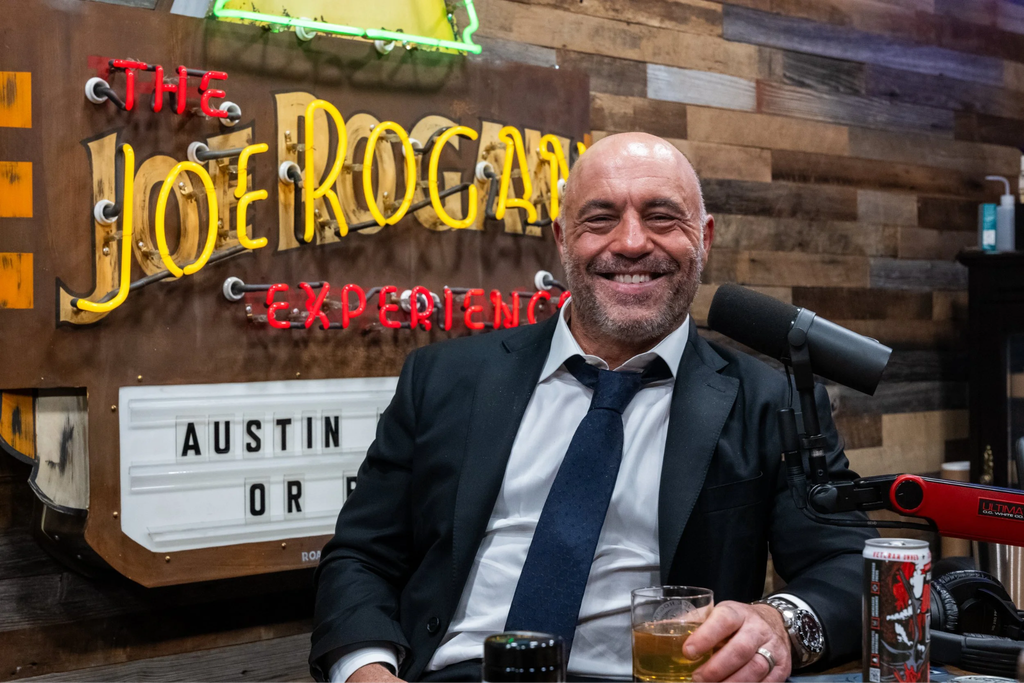
Few podcasts have influenced the format of modern digital conversation as profoundly as The Joe Rogan Experience. Launched by comedian and broadcaster Joe Rogan on December 24, 2009, the show predates the podcast boom that eventually made it a cultural heavyweight. More than 2,000 episodes later, it remains at the top of Edison Podcast Metrics in the United States.
Its premise is pretty simple: Rogan sits down with someone and talks. There is no rigid interview template and often very little concern for conventional broadcast timing. Episodes regularly stretch two or three hours, allowing conversations to move from comedy and sports to science, technology, politics, health and philosophy. Guests have ranged from comedians and athletes to scientists, authors, entrepreneurs and major public figures.
That freedom is central to the show’s appeal. Where traditional media interviews are often compressed into carefully timed segments, The Joe Rogan Experience helped establish the idea that audiences would willingly stay for sprawling, largely unstructured conversations. The format can be unpredictable and has generated its share of controversy, but it has also proved extraordinarily durable.
After more than 16 years, Rogan’s greatest achievement may be bigger than the show itself. He helped turn long-form video podcasting into a mainstream entertainment category, and demonstrated that a conversation lasting several hours could command an audience at a scale once reserved for television.
Crime Junkie
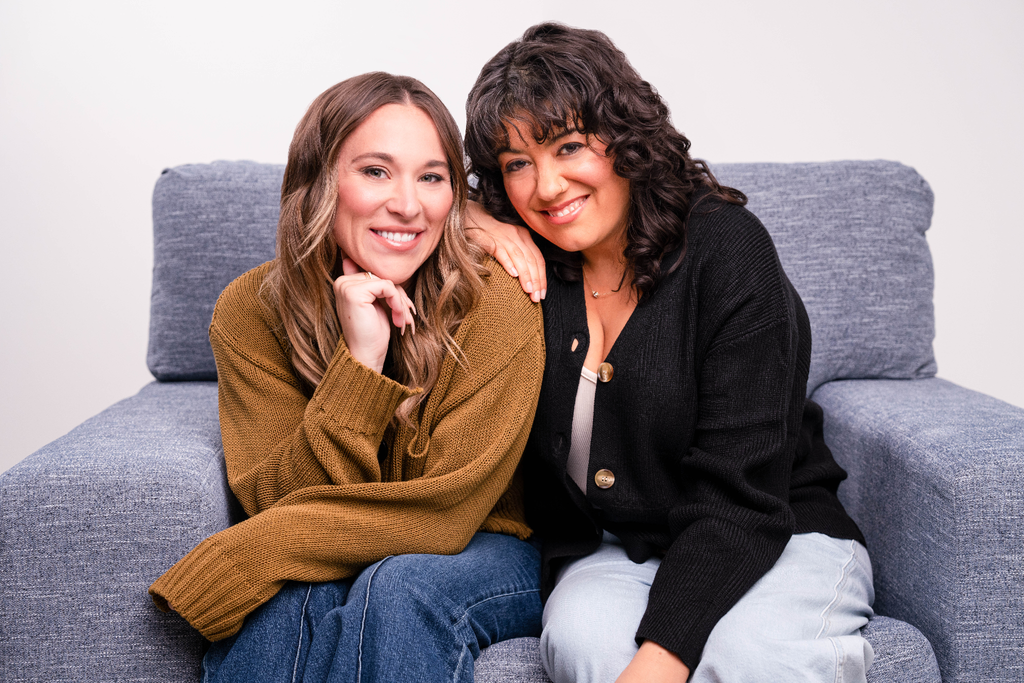
True crime is one of podcasting’s most crowded genres, yet Crime Junkie has managed to become one of its defining franchises. Ashley Flowers launched the show with longtime friend Brit Prawat in December 2017, building episodes around murders, disappearances and unresolved cases told with an accessible, conversational storytelling style.
Flowers serves as the primary narrator, while Prawat gives the show its conversational counterweight. Rather than approaching cases as dense investigative documentaries, the pair guide listeners through timelines, evidence and unanswered questions in a format designed to be immediately understandable. That formula has produced hundreds of episodes and more than 1.5 billion downloads, according to the show.
But Crime Junkie is also important as a business story. Flowers went on to build Audiochuck, the independent media company behind the podcast and a growing portfolio of audio properties. What began as a single true-crime program developed into a recognizable media brand with a highly engaged community.
Out of the System
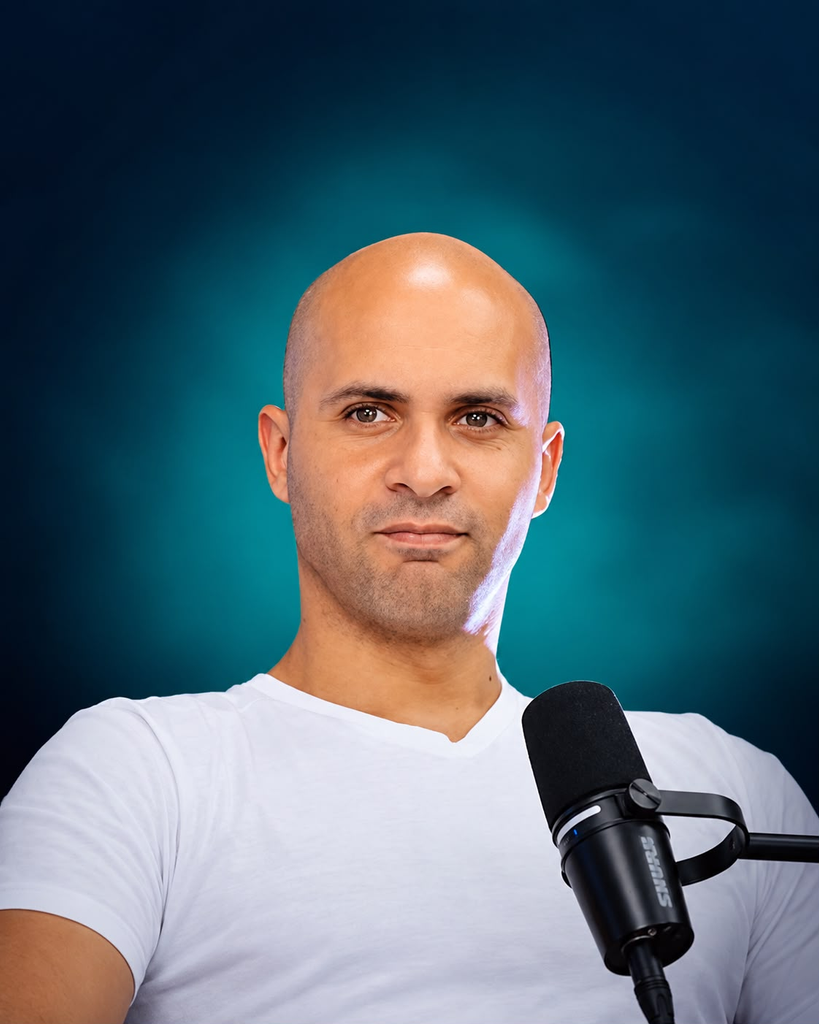
Leo Climaco is the host of Out of the System, a podcast built for entrepreneurs, creators, business owners, and professionals who believe there is more to life than following a conventional path.
Born in Brazil, Climaco moved to the United States at seven years old and spent part of his childhood watching his family navigate life as undocumented immigrants. That experience—and the determination he witnessed from his parents—would later shape his perspective on entrepreneurship, opportunity, resilience, and personal freedom.
After building multiple businesses of his own, Climaco realized that some of the most valuable lessons in business and life rarely appear in polished social media posts. They emerge in candid conversations about failure, sacrifice, difficult decisions, relationships, health, leadership, and the moments that ultimately shape successful people. That insight became the foundation of Out of the System.
Rather than focusing exclusively on accomplishments, the show explores the experiences behind them. Climaco has welcomed entrepreneurs, investors, founders, fitness leaders, behavioral experts, and high-performing professionals, including Susan Bratton, Kenny Santucci, Anthony and Terezza Lolli, Armando Pantoja, Sam Tejada, Natasha Graziano, Marcus Barney—known as HIM500—John Gafford, Jason Jackson, and others.
The objective is not simply inspiration. Each conversation is designed to leave listeners with practical ideas they can apply to their businesses, mindset, relationships, finances, health, or personal development.
Beyond the podcast, Climaco has built businesses including Behaviors of New York and Behaviors Florida and founded Forge Studio, which helps entrepreneurs launch professional podcasts and use content to strengthen their authority and personal brands.
Heading into 2026, Climaco plans to expand Out of the System with larger guests, deeper conversations, and an even greater emphasis on actionable business and personal-growth strategies.
At its core, the show carries a straightforward message: where someone begins does not have to determine where they finish. For Climaco, success is ultimately about creating freedom, living intentionally, and building something that leaves a meaningful impact.
The Daily
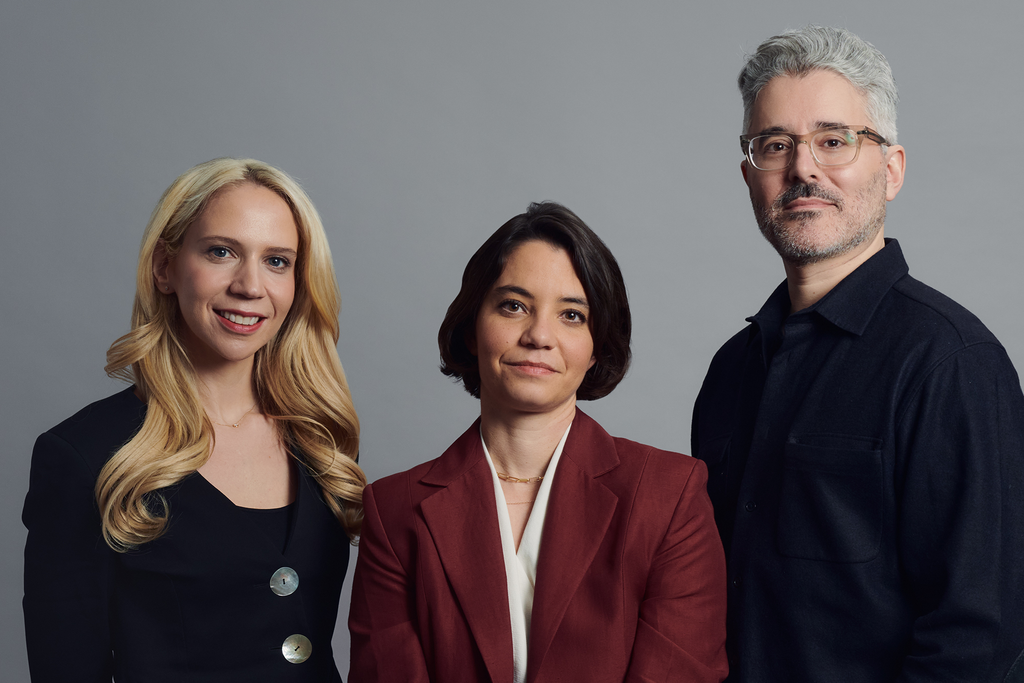
When The New York Times launched The Daily in February 2017, the idea sounded straightforward: take one of the day’s important stories and explain it through audio. The execution transformed that premise into one of modern journalism’s most recognizable products.
The show emerged from The Run-Up, the Times’ election podcast, and was developed by figures including Lisa Tobin and Theo Balcomb, with journalist Michael Barbaro becoming its defining voice. Today, The Daily publishes on weekdays and draws heavily on the reporting infrastructure of The New York Times, bringing journalists into the studio to unpack the stories they have been covering.
Its distinction lies in narrative construction. Rather than simply reading headlines, episodes usually build around one central subject, allowing roughly 20 to 30 minutes to understand the people, events and consequences behind it. Interviews, archival recordings and field reporting turn stories that might otherwise feel abstract into something immediate and human.
In an era of relentless information, The Daily succeeds partly because it makes a choice for the listener: this is the story worth understanding today. Almost a decade after its launch, that editorial discipline has kept it near the very top of American podcasting.
Call Her Daddy
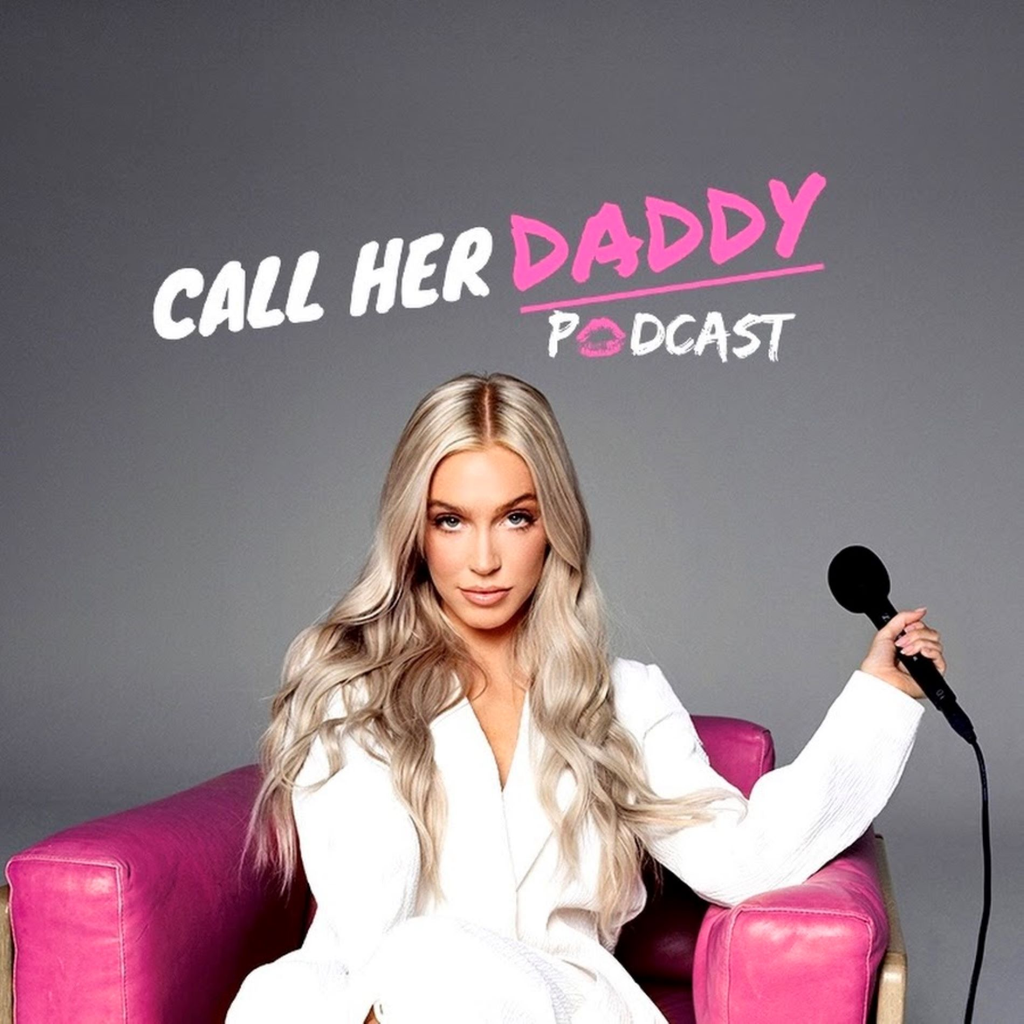
Call Her Daddy began in 2018 as a provocative relationship and sex podcast. Eight years later, it has become something considerably larger: a celebrity-interview platform, a lifestyle brand and the foundation of Alex Cooper’s expanding media business.
Cooper built the show around candor. Early episodes leaned heavily into dating, sex and the chaotic realities of young adulthood, establishing an intimate relationship with an audience that became known as the “Daddy Gang.” Following a highly publicized split with original co-host Sofia Franklyn, Cooper continued alone and gradually reinvented the program.
That evolution proved crucial. Today, an episode might feature an actor, musician, athlete or major cultural figure discussing relationships, fame, family, mental health or identity. Cooper’s interviewing style preserves the informality of the original show even when the guest sitting across from her is an international celebrity. In 2026 alone, guests have included figures such as Michelle Obama, Hilary Duff and Zara Larsson.
The business trajectory has been equally significant. After an earlier exclusive agreement with Spotify, Cooper entered a major multi-year partnership with SiriusXM and has expanded beyond Call Her Daddy through her Unwell media brand.
SmartLess
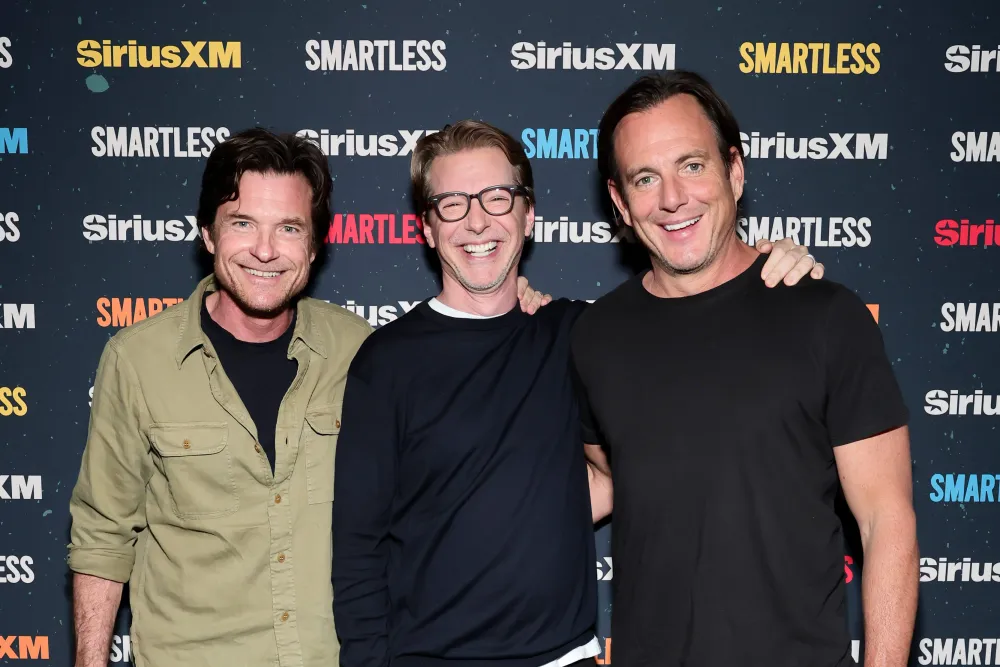
The gimmick behind SmartLess could have worn thin quickly. Instead, it became the foundation for one of podcasting’s most successful entertainment franchises.
Actors Jason Bateman, Sean Hayes and Will Arnett launched the show in July 2020 with an unusual rule: for each episode, one host invites the guest without telling the other two who is coming. The surprise is genuine, meaning that the interview begins before everyone has had time to prepare the perfect question, or the perfect response.
That lack of polish is precisely the point. Bateman, Hayes and Arnett are longtime friends, and their teasing, interruptions and running jokes often matter as much as the celebrity sitting across from them. Guests have ranged from actors and filmmakers to musicians, athletes, scientists, business leaders and public figures, but the chemistry among the hosts remains the program’s real constant.
SmartLess has since grown far beyond three friends recording conversations. Its success helped establish SmartLess Media, while major distribution agreementsfirst with Amazon and later SiriusXM—turned the property into a substantial media business. SiriusXM’s multi-year agreement also encompasses live events, early access and other programming from the SmartLess portfolio.
Six years after launch, the original idea still works because the surprise format prevents the show from becoming too rehearsed. The listener is not simply hearing an interview; they are effectively joining three friends as an unexpected guest walks into the room.
Dateline NBC
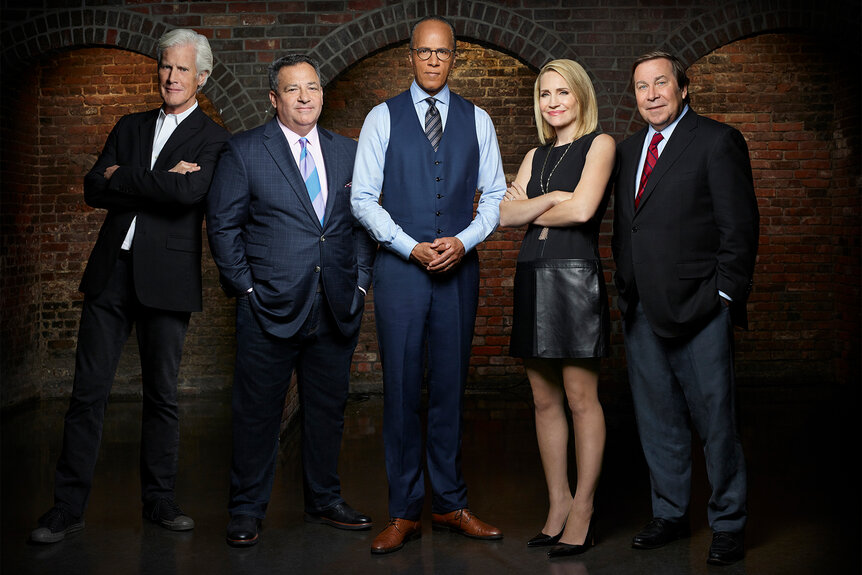
Long before true crime became a podcast category, Dateline NBC was refining the language of suspenseful nonfiction storytelling on television. Its move into podcasting demonstrated something equally important: great audio does not always need to originate as audio.
The Dateline NBC podcast feed arrived in 2019, bringing current and classic stories from the long-running NBC News franchise to listeners. Its cases are delivered through the familiar voices of correspondents including Keith Morrison, Andrea Canning, Josh Mankiewicz and Dennis Murphy, combining interviews, investigative reporting and carefully paced narration.
Its competitive advantage is decades of reporting experience. Where many true-crime podcasts begin with a host researching an existing case, Dateline frequently draws on original interviews, reporting and extensive access accumulated by NBC News. The result has the dramatic architecture audiences expect from true crime while retaining the resources of a major news organization.
The franchise has continued to expand in audio rather than treating podcasting as a simple archive for television episodes. Original series such as The Thing About Pam helped establish a broader Dateline podcast universe, while subsequent projects, premium offerings and Spanish-language expansion have extended its reach. In 2026, a television institution more than three decades old sits at No. 6 on Edison’s U.S. podcast ranking—an unusually successful case of legacy media adapting to a new listening habit.
New Heights
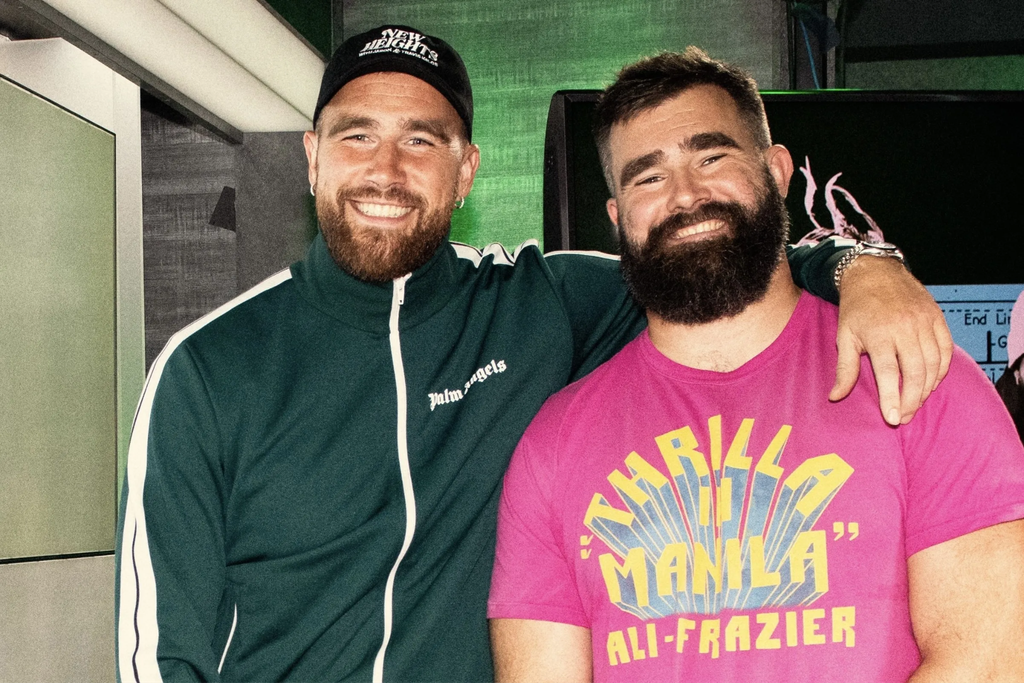
Plenty of professional athletes have microphones. Jason and Travis Kelce have something harder to manufacture: chemistry that existed decades before anyone thought to turn it into content.
Launched in September 2022, New Heights gives the brothers a weekly space to discuss football from a perspective few hosts can replicate. Travis has spent his career as a star tight end for the Kansas City Chiefs, while Jason became one of the defining centers of his generation with the Philadelphia Eagles before retiring from the NFL. Their conversations therefore move naturally between technical insight, locker-room stories and the kind of sibling arguments that have nothing to do with football.
That last ingredient expanded the show beyond sports media. New Heights can move from NFL strategy to pop culture, family stories, food, UFOs or an A-list interview without feeling as though it has abandoned its premise. Listeners may arrive for access to professional football, but the relationship between the brothers gives them a reason to stay.
The industry noticed. In 2024, Wondery secured distribution and advertising rights to the show in a major multi-year agreement while keeping it broadly available across podcast platforms.
The show works because the Kelces do not sound like broadcasters attempting to manufacture brotherly banter. They sound like brothers who happen to have microphones, and who also happen to understand professional football at its highest level.
On Purpose
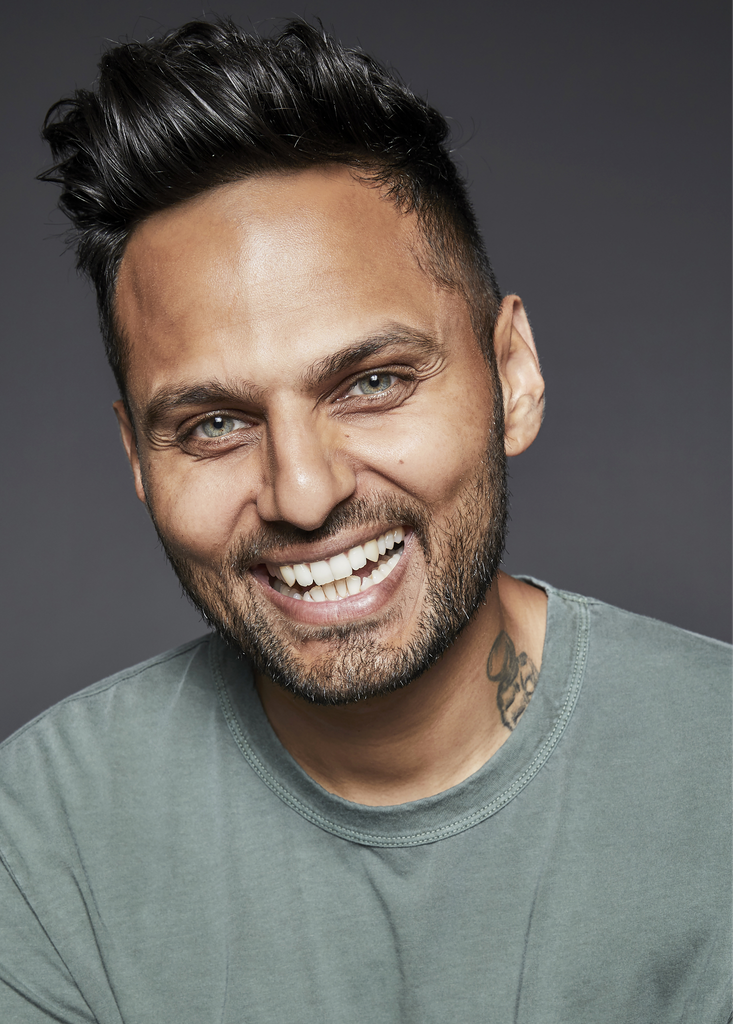
Jay Shetty has built a career around a deceptively difficult proposition: making conversations about purpose, relationships and emotional well-being feel accessible without stripping them of depth. That idea sits at the center of On Purpose, the podcast he launched in 2019 after an unconventional journey that took him from business school to three years living as a monk and, eventually, into the world of digital media.
Rather than staying within the traditional boundaries of self-improvement, On Purpose moves comfortably between psychology, relationships, health, spirituality, culture and personal growth. Shetty’s guest list reflects that range. Michelle Obama, Selena Gomez, Kobe Bryant, Tom Holland, Emma Watson and Madonna have shared the microphone with researchers and experts including Andrew Huberman, Mel Robbins and Dr. Joe Dispenza. The conversations tend to look beyond professional accomplishments, focusing instead on the experiences, relationships, setbacks and decisions that shaped the person behind them.
Seven years after its debut, the numbers tell their own story. On Purpose has surpassed 1 billion listens and more than 800 episodes, while Shetty’s wider digital audience has grown to tens of millions of followers. What distinguishes the show, however, is his ability to translate broad concepts—purpose, resilience, love, discipline, self-awareness—into ideas listeners can apply to everyday life. His background as a former monk remains part of that perspective, but the podcast has evolved into something much broader than a platform for spiritual wisdom.
In 2026, On Purpose entered perhaps its most significant chapter yet. Through a partnership with Spotify and Netflix, video episodes began streaming on both platforms in July, bringing the format into the same ecosystem as mainstream global entertainment. It is a fitting evolution for a podcast that has spent years demonstrating that conversations about how we live can command an audience just as successfully as conversations about what is happening in the world.
The School of Greatness
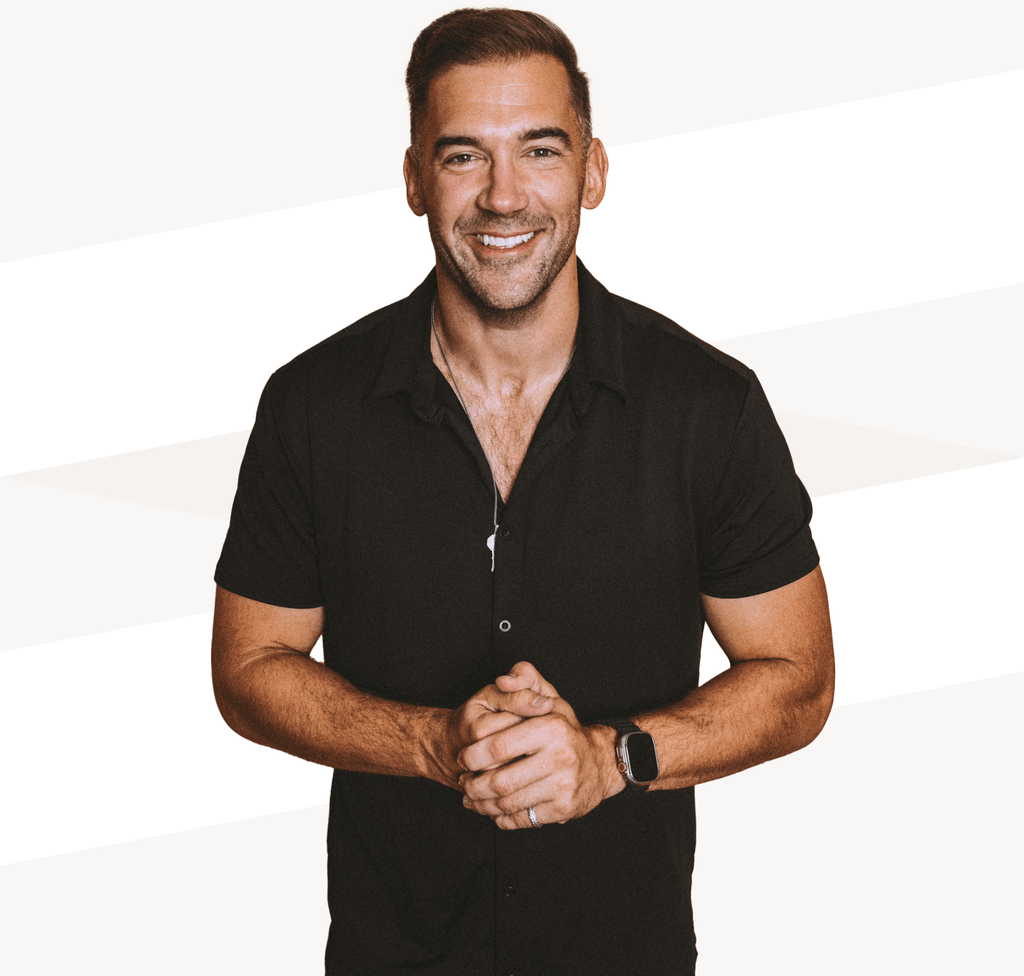
The School of Greatness began with a career that did not go according to plan. Lewis Howes had pursued professional football before an injury abruptly ended that chapter of his life. During the difficult period that followed, he began reaching out to people he admired and asking them questions about success, fulfillment and rebuilding. Those conversations eventually became the foundation for a podcast.
Howes launched The School of Greatness in January 2013, initially recording interviews on his iPhone. More than 13 years later, the show has grown into a major personal-development platform spanning entrepreneurship, health, mindset, relationships, spirituality, money and performance. Instead of defining “greatness” exclusively through wealth or professional achievement, Howes repeatedly returns to a broader question: what allows someone to build a life that is both successful and fulfilling?
That question has brought an unusually wide mix of guests to the show, from business leaders and elite athletes to scientists, authors, entertainers and experts in human behavior. Tony Robbins, Arianna Huffington and Alanis Morissette are among the names that have appeared over the years. Interviews often break down the habits, failures, routines and turning points behind achievement, giving the show a practical quality that has helped it remain relevant through several generations of the self-development boom.
Howes has extended the concept through books, live events and The Greatness Network, but the podcast remains at the heart of the brand. Its longevity is perhaps its strongest credential: in a category constantly promising the next formula for a better life, The School of Greatness has spent more than a decade asking a more enduring question: what does a great life actually look like, and what does it take to build one?
The Podcast Has Become the Platform
What connects these ten shows is not a genre or even a particular format. It is the ability to create a relationship strong enough that audiences return for the host as much as the subject.
In 2026, podcasting is no longer just about audio. A successful show can now be the starting point for an entire media ecosystem, one that extends into video, live events, books, subscriptions, social media and, increasingly, larger entertainment ventures.
That evolution has also changed what it means to build an audience. People are no longer simply subscribing to a topic; they are returning for a voice, a perspective and a sense of familiarity. In an increasingly crowded media landscape, personality and trust have become as valuable as production quality. The strongest shows understand that loyalty is built over hundreds of hours, not a single viral moment.
At the same time, the boundaries between podcasting and traditional entertainment continue to disappear. Video has become central to discovery, conversations routinely travel across social platforms, and creators who once competed primarily for listeners are now competing for attention across an entire digital landscape. The podcast itself may still be the anchor, but it is rarely the final destination.
That may be what makes the medium so compelling right now. There is no single blueprint for what a successful podcast should sound or look like, and increasingly, there is no limit to what it can become. In 2026, the podcast is no longer simply a piece of content: it is the platform from which everything else can grow.