Mammograms Could Become an Early Warning System for Women’s Heart Disease
· 3 min read
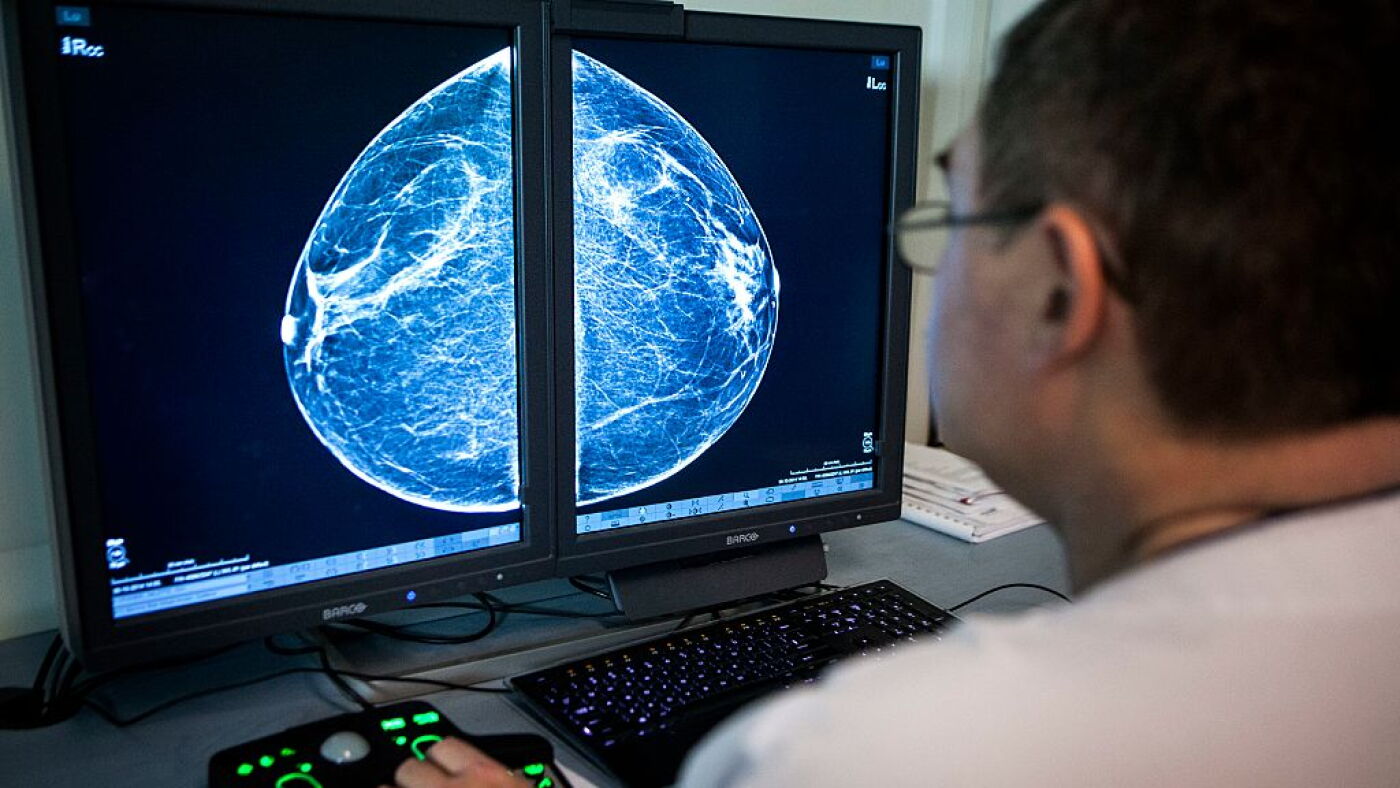
A routine mammogram has traditionally had one primary purpose: detecting breast cancer. But growing evidence suggests the same images may reveal another potentially important health warning — signs that a woman could face an elevated risk of cardiovascular disease.
The clue is known as breast arterial calcification, or BAC, a buildup of calcium in the walls of arteries running through breast tissue.
Radiologists have been able to see these deposits on mammograms for decades. Because BAC is not associated with breast cancer, however, it has often been treated as an incidental finding and may not have been included in the information given to patients.
That is beginning to change.
As of October 1, Maryland has become the first state to require mammography centers to notify patients when their scans show breast arterial calcification.
The new law could represent an important shift in women’s preventive health because cardiovascular disease remains a leading cause of death among women, while heart risks can sometimes go unrecognized until serious problems develop.
BAC is different from the calcium commonly associated with plaque inside coronary arteries. Instead of primarily narrowing the artery, breast arterial calcification develops within arterial walls and is associated with increased stiffness.
Its presence does not mean that a woman currently has heart disease.
But research increasingly indicates that women with BAC have a higher probability of developing cardiovascular problems such as heart attacks, strokes and heart failure.
The potential value is particularly significant because millions of women already receive mammograms routinely.
Rather than requiring another medical procedure, doctors could potentially use information already visible in breast-cancer screening images to identify women who might benefit from a more detailed cardiovascular evaluation.
A large 2026 study strengthened the evidence.
Researchers used artificial intelligence to analyze mammograms from more than 120,000 women, measuring the amount of calcification visible in their breast arteries.
They found a clear relationship between increasing BAC levels and future cardiovascular events. Women with severe calcification faced substantially greater cardiovascular risk than women whose mammograms showed none.
Artificial intelligence could make this approach considerably more practical.
Instead of relying exclusively on radiologists to visually identify and describe calcification, AI systems can automatically detect and quantify BAC, potentially giving doctors a standardized measure of its severity.
That could eventually transform mammograms into a dual-purpose screening opportunity: one examination providing information about both breast cancer and cardiovascular risk.
Important uncertainties remain.
There are currently no universally accepted clinical guidelines specifying exactly what doctors should do when BAC appears on a mammogram.
Researchers have not yet demonstrated that routinely reporting BAC and changing treatment based specifically on the finding will reduce heart attacks, strokes or cardiovascular deaths.
Doctors therefore caution against interpreting BAC as a diagnosis.
Instead, its presence could prompt a conversation with a primary-care physician or cardiologist about established cardiovascular risk factors such as blood pressure, cholesterol, diabetes, smoking, weight, exercise and family history.
Additional cardiovascular testing may be appropriate for some patients depending on their individual circumstances.
Maryland’s new requirement could help provide researchers with much more information about how patients and physicians respond when BAC is routinely reported. Other states could eventually adopt similar requirements if the approach proves useful.
The broader significance extends beyond one particular imaging finding.
Medicine increasingly has the ability to extract additional health information from tests patients are already receiving, particularly as artificial intelligence becomes better at recognizing subtle patterns in medical images.
For women, that possibility is especially important because cardiovascular disease has historically been underrecognized and sometimes undertreated.
A mammogram therefore may no longer provide information about the breasts alone.
A calcium deposit that once received little attention could become an early signal encouraging a woman and her doctor to examine her cardiovascular health — potentially years before heart disease produces obvious symptoms.