Wall Street Questions the AI Boom as Microsoft, Amazon and Google Face a $600 Billion Investment Test
· 3 min read
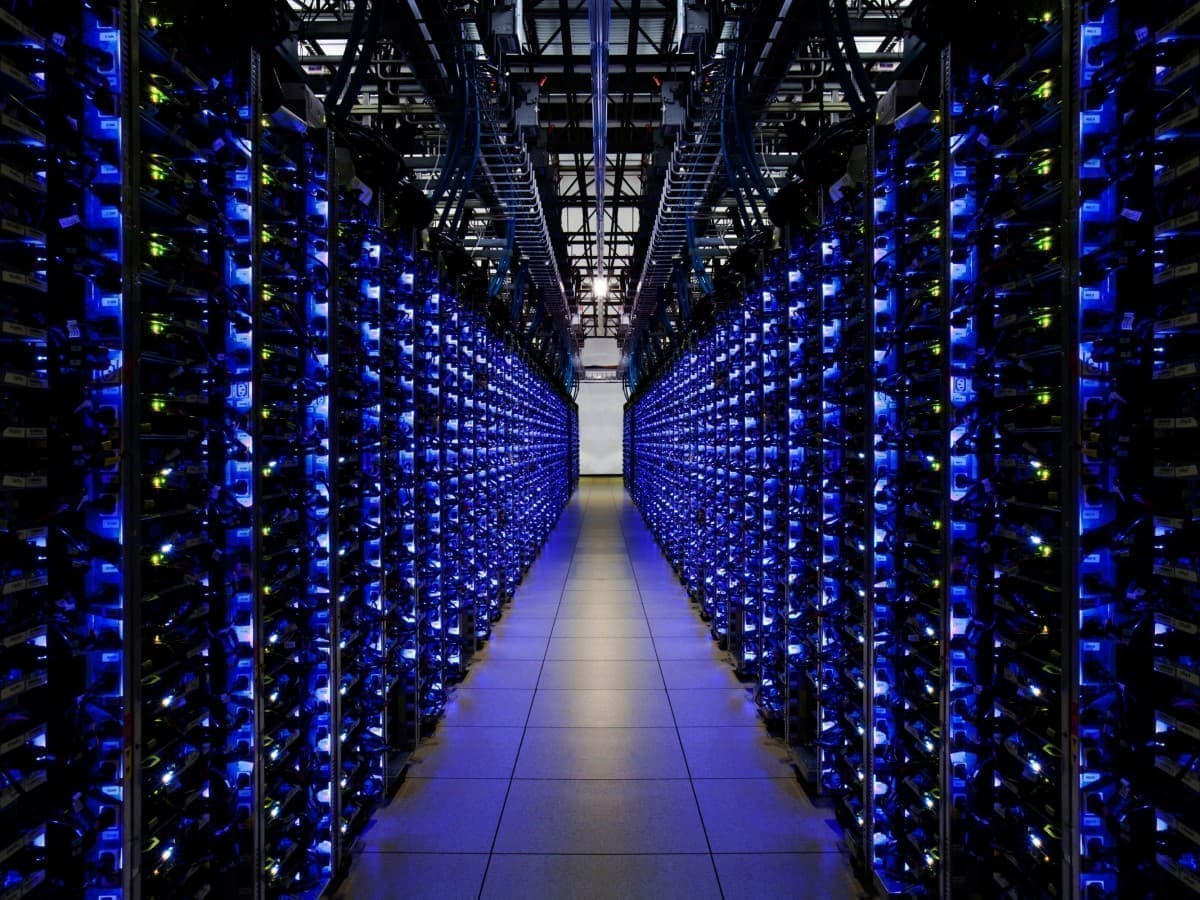
Wall Street is preparing for a critical test of the artificial intelligence boom as Microsoft, Amazon and Google parent Alphabet approach their quarterly earnings announcements amid growing concerns about the enormous cost of building AI infrastructure.
Investors are increasingly questioning whether the technology industry’s unprecedented spending on data centers, advanced chips and cloud computing will generate sufficient profits to justify its soaring valuations.
The three technology giants are planning combined investments of up to $600 billion in 2026, making their financial results particularly important for global markets.
Microsoft, Amazon and Alphabet collectively hold nearly $1.7 trillion in contracted business awaiting fulfillment, highlighting the extraordinary demand for cloud computing and artificial intelligence services. However, a large backlog does not automatically translate into immediate profits.
Companies must continue expanding infrastructure, purchasing expensive processors and securing electricity supplies before they can deliver many of those services. As financing costs rise, investors are paying closer attention to cash flow and the speed at which AI investments can become profitable.
Recent volatility in technology stocks has intensified fears that the industry could be entering an unsustainable investment cycle. Alphabet’s Google Cloud division is expected to deliver particularly strong results. Analysts forecast revenue growth of 95.1% for the September quarter, reaching approximately $29.57 billion.
That would represent an acceleration from the previous quarter’s 81.8% growth. Google’s expanding cloud operations and internally developed AI chips have become major competitive advantages.
Nevertheless, the company’s traditional search business faces growing pressure from artificial intelligence assistants and conversational platforms. Google Search revenue growth is expected to slow to 14.7%, compared with 16.8% in the preceding quarter.
Investors will therefore be watching whether Alphabet can strengthen its AI business without undermining the advertising revenue that has historically supported its profitability. Microsoft is also approaching a significant reporting milestone.
The company plans to disclose Azure’s quarterly revenue in dollar terms for the first time, providing investors with greater visibility into one of the industry’s most important cloud businesses. Analysts expect Azure revenue to reach approximately $33.06 billion, representing growth of 47.7%.
Microsoft’s overall quarterly revenue is projected to increase 16.7% to $90.66 billion. The company is introducing a revised reporting structure that combines cloud computing, artificial intelligence and business software into a division called Agents and Infra.
The changes could help investors better understand how Microsoft’s AI investments contribute to its financial performance. Amazon Web Services, the world’s largest cloud infrastructure provider, is expected to report revenue growth of 38.2%, accelerating from 36.8% in the previous quarter.
Despite that momentum, Amazon’s overall revenue growth is forecast to slow to 12.3%. The company continues investing heavily in data centers and AI computing capacity to defend its market position.
Analysts expect both Amazon and Alphabet to report negative free cash flow, reflecting the scale of their infrastructure investments. Microsoft, by comparison, is projected to generate more than $8 billion in free cash flow.
Meta Platforms recently demonstrated how sensitive investors have become to rising AI expenditures. Although the company reported stronger-than-expected revenue growth, its decision to increase spending plans triggered a nearly 7% decline in its shares the following day.
The reaction suggests that strong sales alone may no longer satisfy shareholders. Investors increasingly want evidence that expensive AI projects can produce sustainable financial returns. Rising bond yields, concerns about higher interest rates and increasing borrowing costs are creating additional pressure.
AI infrastructure companies such as CoreWeave have faced greater scrutiny over debt financing, while the cost of insuring Meta’s debt has climbed. Political opposition to data center construction, particularly concerns about electricity prices and environmental impacts, could further complicate expansion.
Meanwhile, a sharp decline in Chinese technology stocks has reinforced fears about excessive AI valuations.
The coming earnings reports will test whether artificial intelligence can evolve from a powerful investment narrative into a durable source of profits capable of supporting the industry’s extraordinary spending commitments.