Wisconsin Residents Halt $1.6 Billion AI Data Center Project, Challenging Big Tech’s Expansion Into Small American Communities
· 2 min read
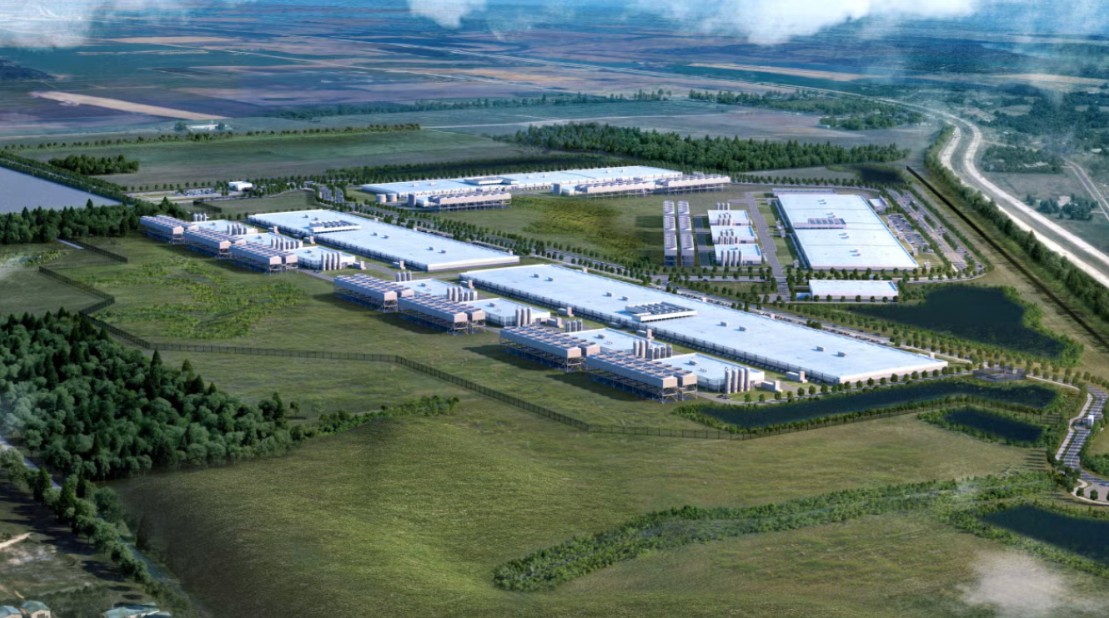
Residents of Menomonie, Wisconsin, have successfully forced a pause in a proposed $1.6 billion artificial intelligence data center, highlighting growing opposition to the rapid expansion of technology infrastructure across smaller American communities.
The project, planned for a 320-acre property outside the city of approximately 17,000 residents, promised economic investment and employment opportunities. However, concerns about secrecy, electricity consumption, water resources, and government transparency triggered widespread protests.
The controversy has become an example of how local communities are challenging the enormous financial and political influence of technology developers. The development was proposed by Balloonist LLC, a Delaware-registered company connected to a major technology corporation whose identity was not publicly disclosed.
Two Menomonie officials signed confidentiality agreements in February 2024, preventing them from revealing information about the company behind the project.
Most city council members remained unaware of the negotiations until 2025. The proposed facility would have consumed approximately 75,000 gallons of water daily, raising questions about its environmental impact and the pressure it could place on local infrastructure.
Developers promised to finance necessary improvements to electricity and water systems. They also projected up to 1,000 temporary construction jobs and between 50 and 75 permanent positions.
For a community seeking economic development, those promises initially appeared attractive. Public opposition intensified in July 2025, when residents learned about the project.
Homeowners expressed concerns about continuous equipment noise, potential effects on groundwater, and the electricity required to operate an enormous computing facility.
Tim Accola, whose home sits across from the proposed location, feared the development could significantly affect his property and quality of life. Community members organized public meetings, demonstrations, and online campaigns to challenge the proposal.
Their frustration focused not only on environmental concerns but also on the limited information provided during negotiations. Despite the opposition, the city council initially approved annexation and rezoning measures necessary for the development.
Growing public pressure eventually prompted city leaders to reconsider. Former Mayor Randy Knaack instructed officials to inform the developer that the proposed facility was unsuitable for Menomonie.
In January 2026, the city council unanimously approved new zoning requirements specifically addressing data centers.
The changes effectively suspended the development, although they did not permanently cancel it. Knaack later acknowledged that city officials had underestimated the complexity of negotiating with a powerful technology-backed developer.
The controversy also affected local politics. Knaack lost his reelection campaign in April after 16 years in office.
Menomonie’s experience reflects growing resistance to data center construction throughout the United States. According to Data Center Watch, approximately $156 billion in proposed projects were blocked or delayed nationwide during 2025.
Between April and June 2026, another 45 projects worth approximately $68 billion encountered similar obstacles. Critics argue that enormous computing facilities can increase electricity demand, consume substantial water resources, and provide relatively few permanent jobs compared with their construction costs.
Supporters emphasize investment, construction employment, infrastructure improvements, and opportunities for regional economic development. The competing arguments have made data centers an increasingly important political issue.
Although the development has been suspended, Balloonist LLC still owns the proposed property. The company could potentially pursue revised plans under the city’s updated regulations.
Also, Balloonist was also involved in a separate Wisconsin data center project later identified as backed by Meta. For Menomonie residents, the outcome represents a significant victory for public participation.
The broader lesson extends beyond Wisconsin: as artificial intelligence reshapes the American economy, communities increasingly want a meaningful voice in deciding how, where, and under what conditions its infrastructure is built.