Pennsylvania Democrats Secure Historic Control of State Government, Unveiling Ambitious Plans for Wages, Housing and Healthcare
· 3 min read
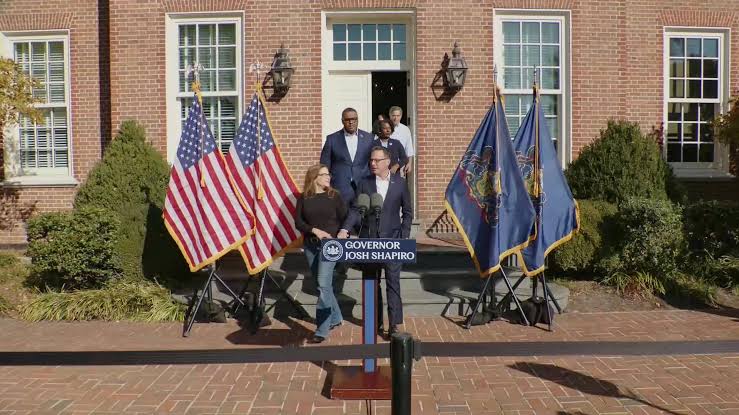
Pennsylvania Democrats are preparing for a major transformation in state government after securing control of the governor’s office and both legislative chambers for the first time in more than three decades.
The historic victory in the November 3, 2026, midterm elections gives Democratic Governor Josh Shapiro a stronger opportunity to advance policies that faced repeated opposition from Republican lawmakers.
At a November 4 news conference in Harrisburg, Shapiro and Democratic legislative leaders outlined an ambitious agenda focused on economic affordability, public transportation, housing development and reproductive rights.
The election results represent a significant political shift in one of America’s most important battleground states. Democrats achieved what political analysts call a trifecta: unified control of the governorship, state House of Representatives and state Senate.
The party had not held unified control of Pennsylvania’s government since 1993. Democrats captured four Republican-held Senate seats while losing one Democratic-held district, producing a projected 26–24 majority.
They also expanded their majority in the state House, securing at least 111 seats in the 203-member chamber. Shapiro’s decisive reelection victory strengthened the party’s position and increased expectations for legislative action.
For years, divided government had prevented Pennsylvania lawmakers from reaching agreements on several major policy proposals. One of the Democrats’ most immediate objectives is increasing Pennsylvania’s minimum wage.
The state’s current minimum remains $7.25 per hour, matching the federal minimum wage. Democratic lawmakers have repeatedly proposed raising that figure to $15, arguing that wages have failed to keep pace with living expenses.
State Senator Vincent Hughes has advocated an even larger increase. Supporters believe higher wages could help working families manage rising housing, transportation and healthcare costs. However, business organizations and some lawmakers have previously expressed concerns about the potential effects of substantial wage increases on small employers.
The final proposal will require negotiations among Democrats with differing economic priorities. Shapiro also promised to secure additional funding for Pennsylvania’s public transportation systems.
Transit agencies have struggled with financial pressures, raising concerns about service reductions and higher fares. Democratic leaders argue that reliable transportation is essential for employment, education and regional economic development.
Housing affordability represents another major priority. The administration plans to encourage additional construction and address barriers limiting the availability of affordable homes.
These proposals reflect growing concerns among Pennsylvania residents about rising living expenses and the difficulty of finding reasonably priced housing.
Democrats intend to strengthen legal protections for reproductive healthcare. Shapiro has pledged to defend abortion access and pursue legislation protecting reproductive freedom within Pennsylvania.
Another priority involves expanding legal options for survivors of childhood sexual abuse. Democratic leaders want survivors to have greater opportunities to pursue civil claims against alleged abusers, including cases affected by existing filing deadlines.
Additional proposals under discussion include paid family leave, recreational marijuana legalization, expanded voting rights and stronger regulations for large data centers. Not every proposal has received unanimous support within the Democratic Party.
Despite their electoral success, Democrats will still face difficult negotiations. Their Senate majority is narrow, meaning disagreements among a small number of lawmakers could delay legislation.
Pennsylvania also faces significant budget pressures that may complicate ambitious spending proposals. Shapiro has promised to announce a detailed agenda for the first 100 days of the new legislative session. Democratic leaders have also expressed confidence that unified government could reduce the prolonged budget disputes that previously disrupted public services.
The Democratic victories could reshape Pennsylvania’s economic and social policies beginning in January 2027.
For Shapiro, the results provide an opportunity to demonstrate his administration’s ability to deliver legislative achievements. For residents, the central question is whether the new political majority can translate campaign promises into meaningful improvements in everyday life.
Pennsylvania’s historic Democratic trifecta creates an opportunity for major reforms, but its long-term significance will depend on whether lawmakers can deliver affordable housing, higher wages, stronger public services and effective government leadership.