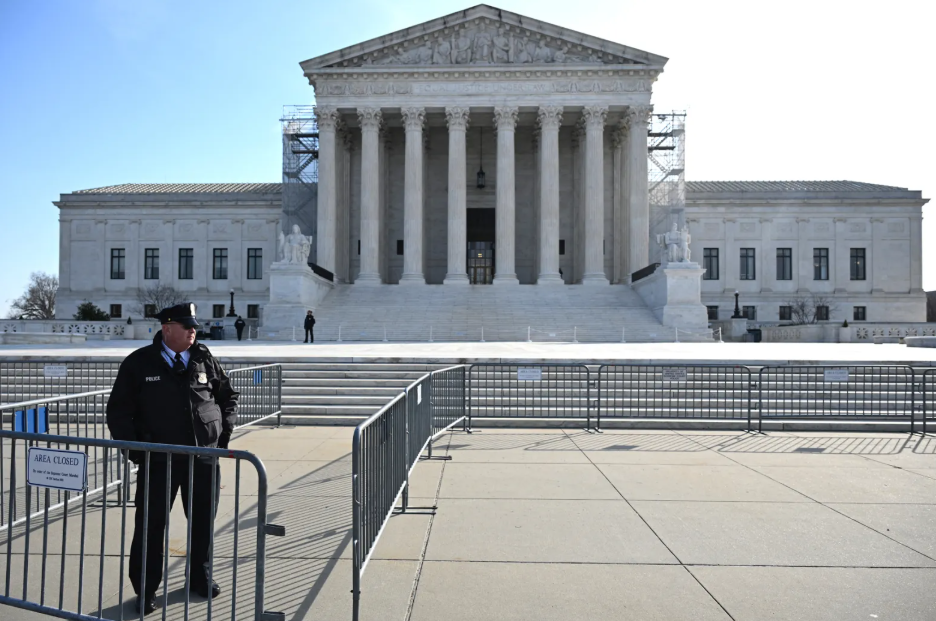
A wave of political controversy around Washington, D.C.’s top performing-arts venue is starting to reshape where major artists and productions choose to appear—and Baltimore is emerging as one of the beneficiaries. An “artistic exodus” has begun from the John F. Kennedy Center for the Performing Arts after President Donald Trump put his name on the building’s façade “without congressional authorization,” and moved to take over the institution.
This shift is unusually fast. In roughly three months since the rebranding, prominent performers have canceled or rescheduled appearances at the Kennedy Center in protest or discomfort with the direction of the institution. One high-profile example cited is acclaimed composer Philip Glass, who pulled the debut of his latest symphony from the Kennedy Center’s January program, saying the center’s current values conflict with the symphony’s message.
Glass is not alone. More than two dozen performances have been removed from the Kennedy Center’s 2026 schedule. That cumulative number matters because it signals something bigger than isolated celebrity objections: it suggests an institutional reputational problem that is influencing programming decisions across different genres and organizations.
With a major venue suddenly seen by some artists as politically fraught, the question becomes where those performers go instead—and how nearby cities respond. Baltimore is an attractive alternative: close enough to serve the same broader Mid-Atlantic audience, but outside the immediate symbolic orbit of Washington’s federal political battles.
A concrete example is the Lyric Baltimore, which is now set to host the Washington National Opera in May after the opera company decided to sever its long-standing relationship with the Kennedy Center following Trump’s takeover. The Lyric engagement includes a production of Leonard Bernstein’s “West Side Story,” scheduled May 8–10. In the segment, this becomes a case study of how quickly a prestigious D.C.-anchored institution can shift its performance footprint when the flagship venue becomes controversial.
The episode also explores what “D.C.’s loss, Baltimore’s gain” could mean in practice. Hosting displaced performances can bring immediate benefits—ticket sales, tourism spillover, and cultural prestige. But it also creates new responsibilities for Baltimore venues: to scale operations, to support visiting companies, and to serve as a welcoming stage for artists who may feel politically targeted or uncomfortable elsewhere.
To unpack that dynamic, media speaks with Thomas Bailey, the Lyric’s CEO and manager, about how Baltimore is responding and what the sudden influx of interest could mean for the city’s cultural ecosystem. The segment positions the moment as both opportunity and test: a chance for Baltimore to strengthen its identity as a regional arts hub, while highlighting how politics can rapidly redirect the flow of cultural capital between neighboring cities.