The Federal Reserve’s latest Beige Book offered a cautiously positive read on the U.S. economy, describing modest growth, stable employment, and continued—but potentially easing—price pressures across much of the country. Based on surveys and interviews gathered through late February, economic activity “rose a bit” in recent weeks, with 7 of the Fed’s 12 districts expanding while 5 were flat or declining, a slightly less broad expansion than the prior report. Even so, most districts reported an optimistic outlook, expecting slight to moderate growth in the months ahead.
On inflation, the Beige Book painted a mixed picture. Businesses across regions said prices continued to rise, but many also suggested that future increases could come at a slower pace, partly because consumers are showing strong price sensitivity. In plain terms: companies may want to raise prices faster, but they’re wary of losing customers. This tension matters for policymakers because it hints inflation could cool without a major collapse in demand—yet it also shows price pressures haven’t disappeared. The report also notes that trade policy is a growing variable: businesses continue to cite tariff-related cost pressures and uncertainty when discussing pricing and planning.
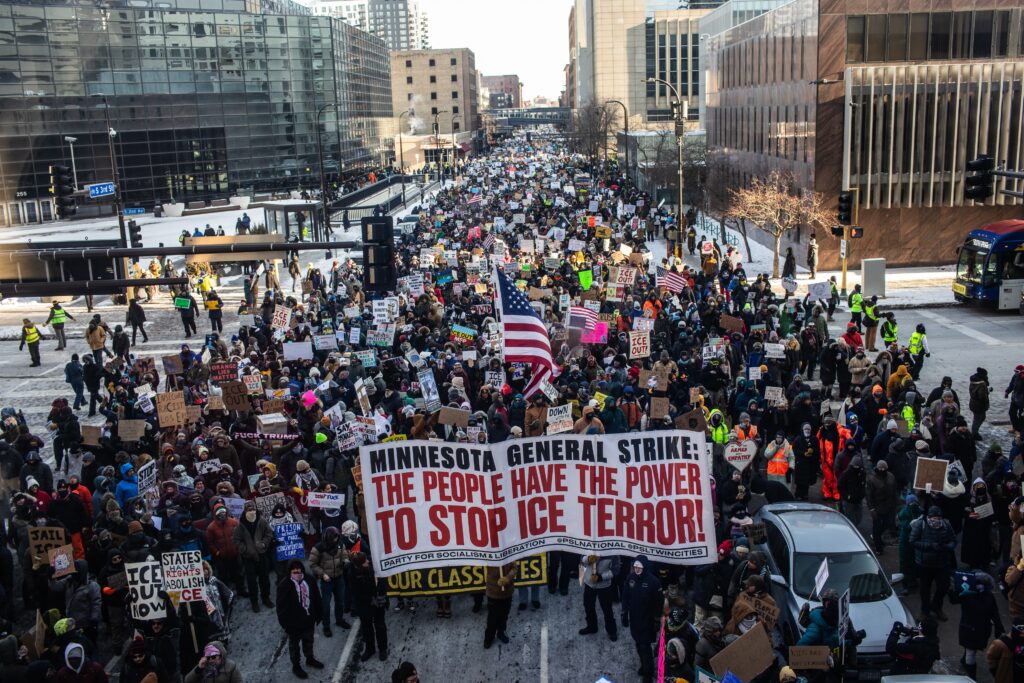
Employment was broadly described as stable, but with important regional stress points. Many contacts said hiring remains difficult in pockets of the economy due to tight labor supply, and wage growth was generally modest. The most striking labor-market disruption highlighted came from Minnesota, where Trump administration’s immigration crackdown has had visible spillover effects—particularly in Minneapolis–St. Paul area. Businesses and community contacts reported that enforcement actions contributed to labor shortages, reduced consumer activity, and a drag on construction, as fear among some workers, customers, and vendors translated into lower foot traffic and staffing challenges.
The timing of the Beige Book is also important. The information was gathered on or before Feb. 23, meaning it captures conditions after major policy debates (including tariffs) but before later developments that could shift the outlook—such as additional geopolitical shocks. For the Fed, that makes the report a snapshot rather than a final verdict, but it still provides “ground-level” evidence of how households and firms are reacting to costs, labor constraints, and policy uncertainty.
Overall, the Beige Book supports a narrative of an economy that is still moving forward, not overheating, and not clearly sliding into recession—yet it also flags frictions that could worsen quickly: tariffs that raise input costs, labor supply strains linked to immigration enforcement, and consumers who are increasingly unwilling or unable to absorb price hikes. That combination helps explain why policymakers could feel comfortable holding rates steady while they watch whether inflation truly cools—or whether new shocks re-ignite it.