Manhattan’s Ultra-Luxury Market Slows as New Second-Home Tax Unsettles Wealthy Buyers
· 2 min read
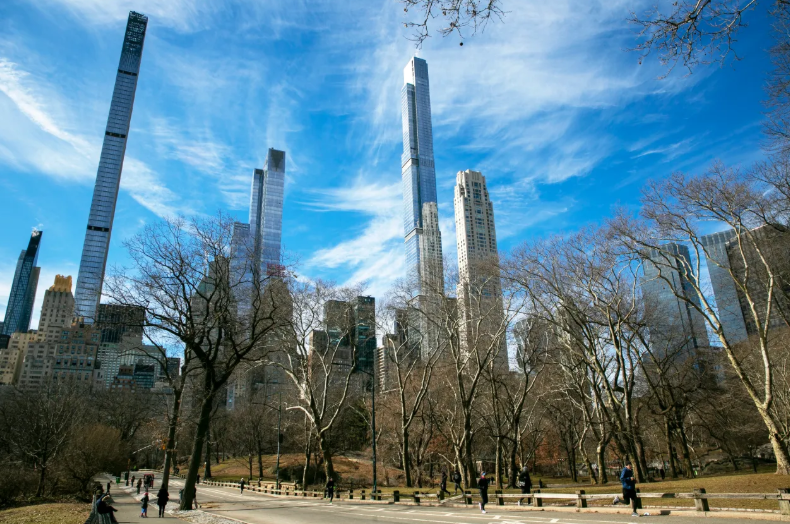
Manhattan’s most expensive residential real estate market experienced a sharp weekly slowdown shortly after New York City’s new pied-à-terre tax took effect, fueling debate over whether the policy is discouraging wealthy buyers from purchasing luxury second homes. According to data, only one Manhattan property listed for more than $10 million entered contract between July 6 and July 12, compared with what brokers described as a typical weekly range of three to five such deals.
The sole eight-figure transaction was a condominium at 1122 Madison Avenue, listed for approximately $21.8 million. The result reportedly represented the weakest week for contracts above $10 million since December. Brokers blamed uncertainty surrounding the new tax, together with what they described as an increasingly hostile political climate toward wealthy residents under Mayor Zohran Mamdani. Some said affluent buyers are questioning whether New York remains attractive enough to justify its growing tax burden.
The pied-à-terre tax took effect on July 1 and applies to expensive New York City residences that are not used as their owners’ primary homes. During its initial phase, certain one- to three-family homes with assessed values of at least $5 million face rates ranging from roughly 0.8% to 1.3%. Qualifying condominiums and cooperative apartments may face substantially higher rates—between approximately 4% and 6.5% of their assessed value—because the city’s existing assessment system often values such units far below their actual market price.
Supporters argue that luxury second-home owners should contribute more to the city, particularly when some multimillion-dollar residences remain vacant for much of the year. The measure is expected to generate around $500 million annually, which could help fund public services and address New York’s budget needs. The tax is estimated to affect roughly 10,000 to 13,000 properties, although the final number will depend on how the city determines primary-residence status and handles units owned through trusts or limited-liability companies.
However, real estate executives warn that the surcharge could have consequences beyond the owners who directly pay it. They argue that it may reduce demand for luxury residences, lower property values, weaken construction activity and diminish revenue from transfer taxes, brokerage commissions and associated businesses. Buyers who can choose among global cities may increasingly consider Miami, Palm Beach, London or other markets where property ownership is perceived as less expensive or politically uncertain.
The weekly figures do not necessarily prove that the tax has already caused a sustained market decline. Twenty-nine Manhattan properties priced at $4 million or more still entered contract during the same week, including 19 condominiums, six cooperatives and four townhouses. Twenty of those deals involved properties listed below $6 million, suggesting that the broader luxury market remained active even as the highest tier weakened.
Independent analyst Jonathan Miller cautioned against drawing major conclusions from one week of data. Seasonal behavior, economic uncertainty and normal volatility in a market with relatively few transactions can produce dramatic short-term changes. That caution is reinforced by earlier second-quarter reports showing strong Manhattan luxury activity immediately before the tax took effect, including annual increases in contracts for homes priced above $10 million.
Overall, the slowdown is an early warning rather than definitive evidence of a market collapse. The new tax has clearly introduced uncertainty among wealthy buyers, but several months of sales data will be needed to determine whether the weak week represents a lasting reaction to the policy or simply a temporary pause in Manhattan’s volatile ultra-luxury market.