Trump Administration Targets Raúl Castro in Miami Case Tied to Deaths of Four Americans
· 2 min read
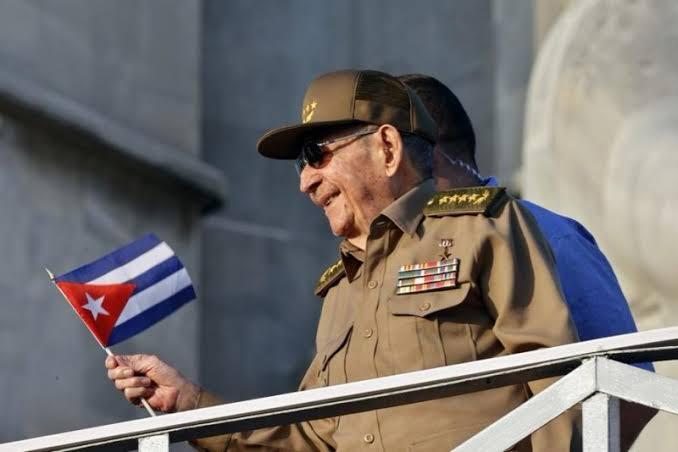
The United States has indicted former Cuban President Raúl Castro over the 1996 downing of two civilian planes operated by the exile group Brothers to the Rescue, a dramatic legal move that sharply escalates Washington’s pressure campaign against Cuba’s government. The Guardian reported that charges were filed in federal court in Miami against the 94-year-old former leader, accusing him of responsibility for the deaths of four people killed when Cuban fighter jets shot down the aircraft.
The case centers on a decades-old incident that has long shaped Cuban-American politics in Florida. The planes belonged to Brothers to the Rescue, a Miami-based exile organization that flew missions over the Florida Straits, often searching for migrants fleeing Cuba and dropping pro-democracy materials. In February 1996, Cuban military aircraft shot down two of the group’s planes, killing four men who were U.S. citizens or residents. The attack provoked international outrage at the time and became one of the most painful symbols of hostility between Havana and Cuban exiles in the United States.
The indictment also names five Cuban fighter pilots connected to the operation. The charges include conspiracy to kill U.S. nationals, and additional counts related to murder and aircraft destruction. Prosecutors allege that Castro, who was Cuba’s defense minister at the time, authorized or helped direct the use of deadly force against the unarmed aircraft. One of the pilots, Luis Raúl González-Pardo Rodríguez, is reportedly already in U.S. custody and has pleaded guilty to immigration fraud, while the other defendants are believed to be outside U.S. reach.
The timing is highly political. The indictment is part of the Trump administration’s broader effort to oust Cuba’s communist regime. Secretary of State Marco Rubio said the likelihood of a negotiated agreement with Cuba is “not high,” even as he insisted the U.S. prefers a diplomatic solution. Rubio’s comments show how far relations have deteriorated, with Washington applying legal, diplomatic and political pressure while Havana accuses U.S. officials of inciting aggression.
The indictment is also symbolically powerful because Raúl Castro remains one of the last major figures of Cuba’s revolutionary generation. He served as defense minister for decades, later succeeded his brother Fidel Castro as president, and continued to hold enormous influence even after leaving formal office. Charging him in a U.S. court sends a message not only about the 1996 shootdown, but also about Washington’s willingness to directly target the historic leadership of the Cuban state.
Whether the case can produce real courtroom accountability is uncertain. Castro is in Cuba and is unlikely to be extradited. Still, indictments can carry diplomatic weight even when defendants are beyond U.S. custody. They can restrict travel, freeze legal channels and keep political pressure on a government Washington wants to weaken. In that sense, the case is both legal and strategic.
Overall, the indictment reopens one of the most emotional episodes in U.S.-Cuba history while intensifying a new confrontation between Washington and Havana. For Cuban exiles and the families of those killed, the charges may feel like long-delayed recognition. For Cuba, they will likely be seen as another act of U.S. hostility. The result is a case rooted in the past but clearly aimed at shaping the present struggle over Cuba’s future.