Italy is facing a new cultural-and-diplomatic headache after the Venice Biennale confirmed that Russia is included in the lineup for the 2026 edition, triggering sharp criticism from European governments and Ukraine because of Russia’s ongoing war. The decision has sparked “international outcry,” with the European Commission warning it could withhold funding and 22 European countries expressing “profound concern” that Moscow could use the world’s most prestigious contemporary art exhibition to gain legitimacy or soften its global image.
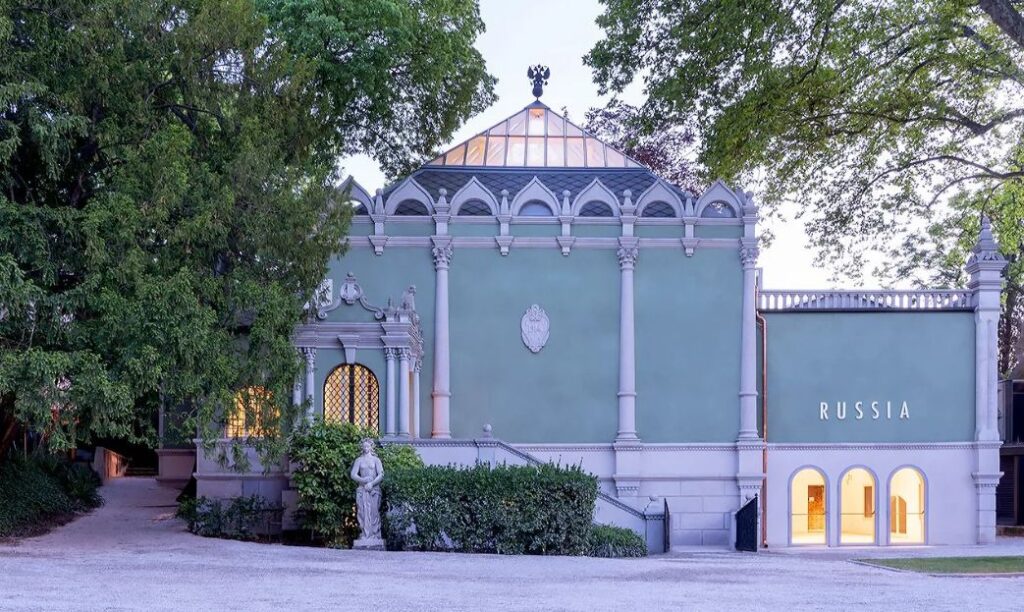
The controversy is intensified by the Biennale’s symbolic weight. Often described as the oldest and most important contemporary art fair, the Venice Biennale uses national pavilions as a form of cultural representation—making participation feel, to critics, like a stamp of normalcy. Russia has a permanent historic pavilion in the Giardini, which under Biennale rules gives it a streamlined route to participation. But Russia has been absent since 2022: after Moscow’s full-scale invasion of Ukraine, the Russian pavilion was effectively closed when artists withdrew in protest, and in 2024 the pavilion was loaned to Bolivia.
The Biennale Foundation announced the 2026 lineup on March 4. Russia’s return was not highlighted in the announcement, but it appeared on the list of participating countries with an exhibition titled “The Tree is Rooted in the Sky,” involving roughly three dozen Russian artists. The Biennale is scheduled to run May 9 to Nov. 22, 2026, with 99 countries participating, including seven first-time participants.
The political blowback has landed on Italy’s Culture Ministry. Culture Minister Alessandro Giuli publicly opposed Russia’s inclusion but said the Biennale’s governing foundation is independent and made the decision autonomously—limiting the government’s direct control. Still, the scandal has put the ministry “in the crosshairs,” particularly because it follows other high-profile disputes in Italy about Russian participation in major cultural and sporting events.
The European Commission’s reaction is unusually direct: it warned it could suspend or withdraw €2 million in EU funding over three years tied to the Biennale if Russia’s participation proceeds. That threat underscores how the issue is being framed not as an internal arts dispute, but as a question of whether European cultural institutions should align with sanctions and broader political commitments to Ukraine.
Ukrainian officials have called Russia’s participation unacceptable, arguing it risks turning a global cultural platform into a vehicle for propaganda while Russia continues its war. The Biennale’s president, Pietrangelo Buttafuoco, defended the decision as opposition to censorship and said the Biennale would also show work linked to dissent.
In short, the Biennale’s 2026 program has become a flashpoint for a bigger question: whether “artistic openness” can be separated from state power during wartime—and who pays the price if Europe decides it can’t.